House expands healthcare subsidies but bill faces uphill battle in Senate - US House expands healthcare subsidies but bill faces battle in Senate
A bipartisan House coalition passed a bill 230-196 to extend expired ACA premium tax credits for three years, but the Senate may craft a narrower compromise before recess.

 BBC News
US House expands healthcare subsidies but bill faces uphill battle in Senate

 Breitbart News
House Passes Three-Year Extension of Enhanced Obamacare Subsidies
 Boston Globe
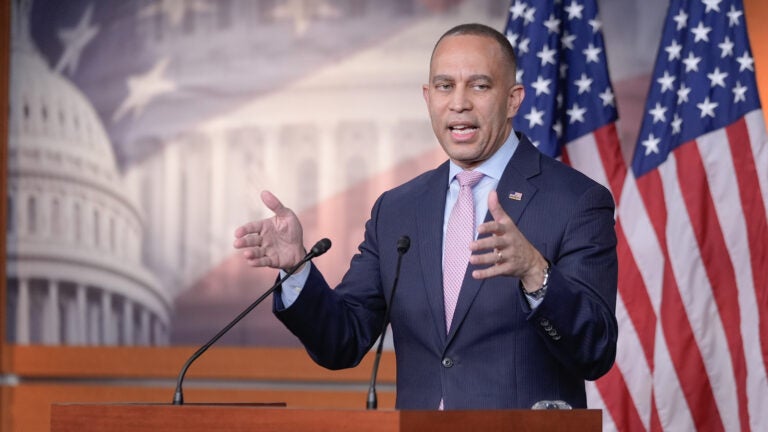
House passes bill to extend health care subsidies in defiance of GOP leaders

 Washington Examiner
The 17 House Republicans who sided with Democrats on ACA
Overview
A group of 17 moderate Republicans joined all Democrats to pass a three-year extension of expired ACA premium tax credits, forcing a 230-196 House vote after a discharge petition.
The CBO estimates the three-year extension would add about $80–80.6 billion to the deficit over a decade while increasing insured Americans by several million.
House Speaker Mike Johnson opposed the renewal, citing fraud concerns and arguing for targeted reforms, but rank-and-file Republicans pushed the vote to protect constituents from soaring premiums.
Senators are negotiating a separate bipartisan alternative, possibly a two-year, more restrictive extension with income limits, nominal premiums and potential HSA options, but consensus is uncertain.
Although symbolic, the House vote places members on record ahead of the 2026 midterms and raises pressure on the Senate to act before its Jan. 19 recess; a 60-vote threshold remains a key barrier.
Analysis
Center-leaning sources frame the story as pragmatic bipartisan rescue with political stakes, using editorial terms that highlight Republican defections (renegade, defied) and consumer impact (premiums more than doubled). Coverage stresses Senate obstacles (‘uphill battle’) and leadership setbacks, while giving limited space to affected consumers or independent policy experts.
FAQ
The House bill approved a **three-year extension of the enhanced Affordable Care Act premium tax credits that expired at the end of 2025**, aiming to keep subsidized premiums lower for millions of marketplace enrollees through roughly 2028.
The Senate is working on a **narrower, bipartisan alternative**—likely a **two-year extension with added restrictions such as income caps, minimum premiums, and new anti-fraud rules**—and any deal will need **60 votes**, making the broader House bill politically difficult to advance unchanged.
According to preliminary estimates cited around the House debate, **a three-year extension would add roughly $80–80.6 billion to the federal deficit over 10 years but increase the number of insured Americans by several million**, as more people could afford marketplace coverage.[3]
If Congress does not extend the enhanced subsidies, **average net premium payments for subsidized marketplace enrollees are projected to more than double—rising about 114% between 2025 and 2026—because people would lose the extra tax credit help that has been in place since 2021**.
Seventeen House Republicans joined Democrats because **they wanted to shield constituents from sharp premium hikes after the subsidies lapsed**, even though Speaker Mike Johnson and GOP leaders opposed the extension and instead called for more targeted reforms and stronger fraud protections.

