IRS to Begin Accepting 2025 Returns on Jan. 26 Amid Workforce Cuts, New Tax Law Changes
The IRS will open the 2026 filing season Jan. 26 to accept 2025 returns amid workforce reductions and Republican tax-law changes affecting returns and forms.



Overview
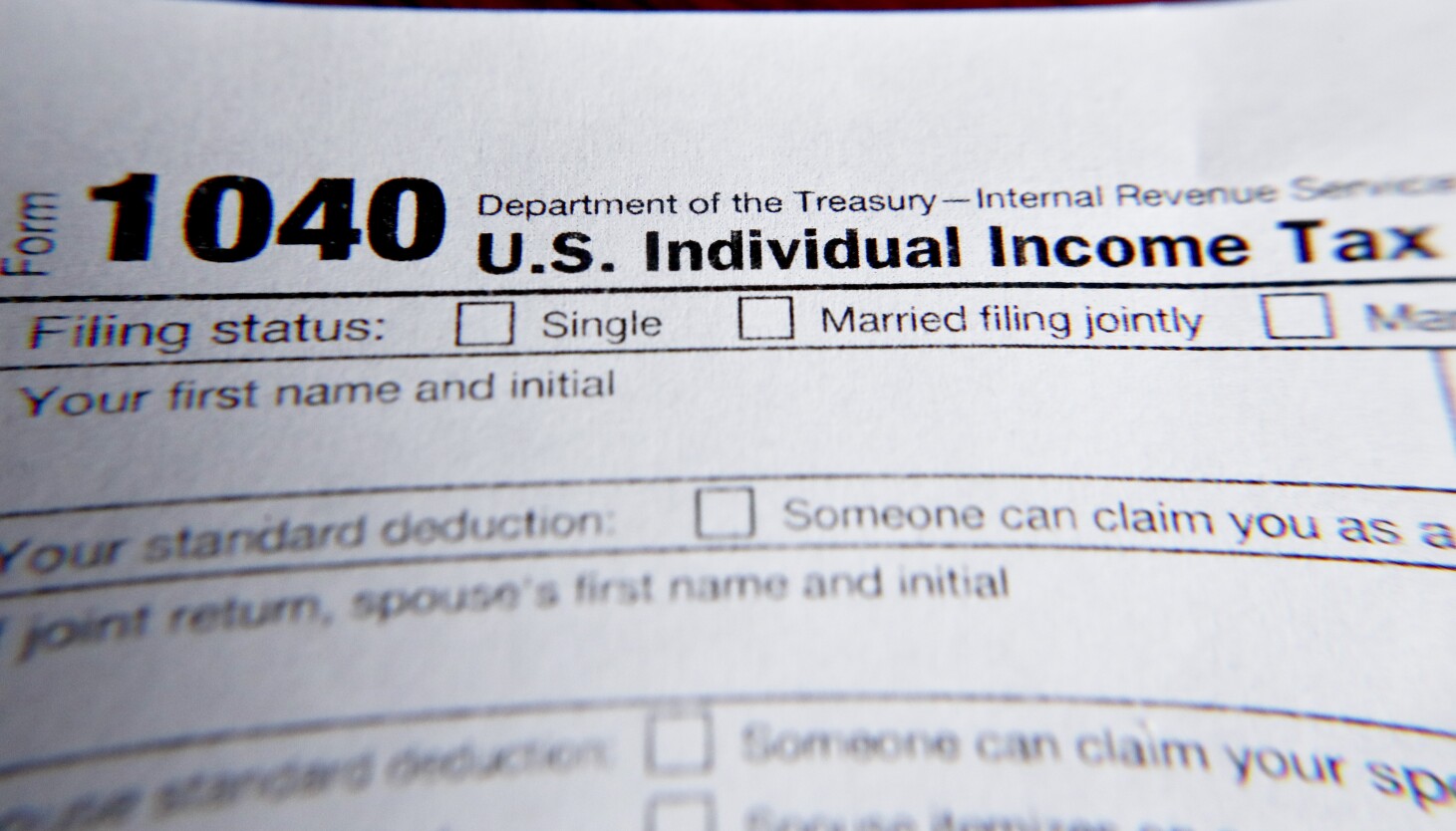
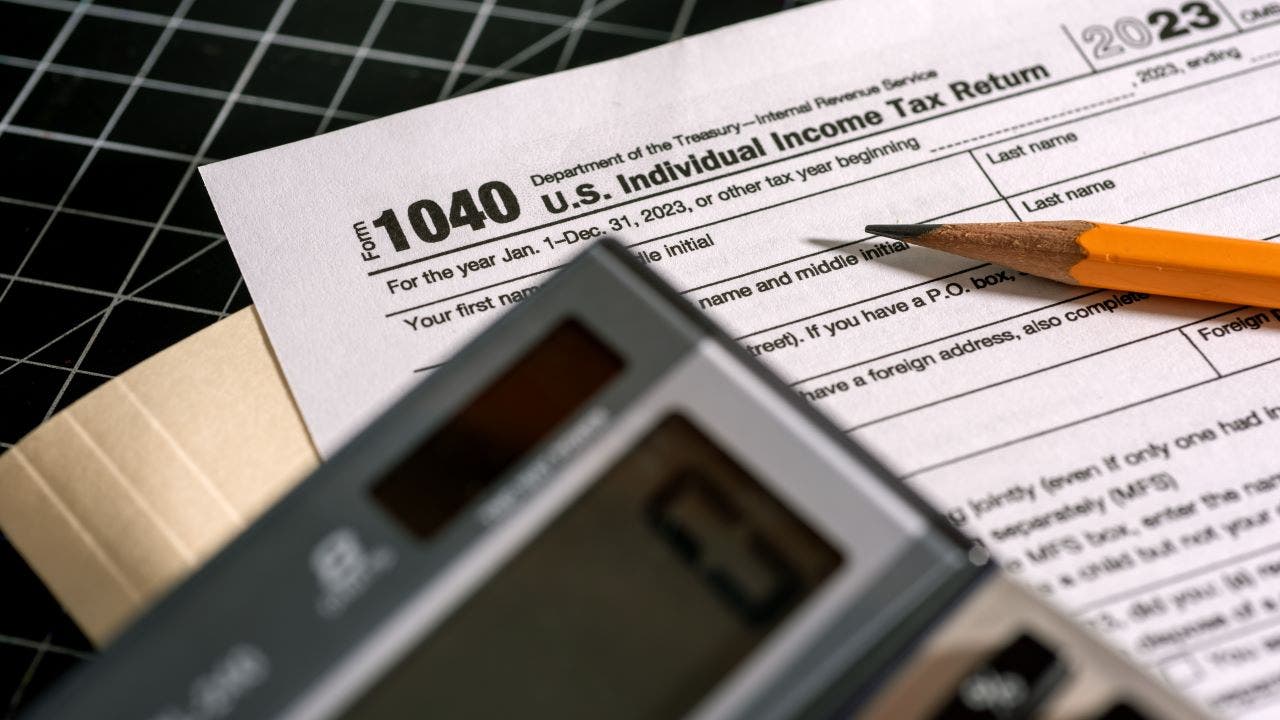
The IRS will begin accepting 2025 individual tax returns on Jan. 26; April 15 remains the filing deadline, while Free File opens Jan. 9 for eligible taxpayers.
Experts warn the filing season could be strained after the IRS workforce fell from 102,113 to 75,702 — a roughly 26% reduction cited by the National Taxpayer Advocate.
IRS CEO Frank Bisignano and acting Commissioner Scott Bessent say information systems have been updated to process returns and implement Republican tax and spending package provisions.
Taxpayers should expect new paperwork: Schedule 1-A and updated forms will reflect retroactive provisions addressing taxes on tips, overtime, car loan interest and certain deductions.
The IRS expects about 164 million individual returns; the average refund last year was $3,167, and officials say recent tax changes may increase refunds in 2026.
Analysis
Center-leaning sources frame the story around operational risk: editorial choices highlight staffing losses and causal links to Musk-driven buyouts while foregrounding the National Taxpayer Advocate’s warnings, although official reassurances are included as source content. Language like “spurred by Elon Musk's Department of Government Efficiency” and placement of warnings amplifies concern over readiness.
FAQ
The IRS will begin accepting and processing 2025 individual tax returns on January 26, 2026, and the deadline to file 2025 returns and pay any tax due is April 15, 2026.
The IRS workforce has fallen from about 102,113 employees to roughly 75,702, a reduction of about 26%, which the National Taxpayer Advocate and lawmakers warn could strain return processing, fraud detection, and taxpayer service during the 2026 filing season.
Taxpayers should expect a new Schedule 1-A and updated forms that implement provisions of the One Big Beautiful Bill Act, including new or expanded deductions related to tips, overtime, certain car loan interest, and a new deduction for some seniors, as well as an enrollment form for new Trump accounts for children.
IRS officials say provisions in the recent Republican tax and spending package are expected to lower tax bills for many working families and could result in higher average refunds in the 2026 filing season compared with the prior year, when the average refund was about $3,167.
Eligible taxpayers can use IRS Free File, which opens January 9, 2026, and all taxpayers, regardless of income, can use IRS Free File Fillable Forms starting January 26, 2026; military members and some veterans also have access to the free MilTax program.

