Federal authorities bar Minnesota from probe after ICE agent fatally shoots Renee Good
Federal authorities seized control of the probe after an ICE agent fatally shot Renee Good in Minneapolis, denying Minnesota investigators access amid legal and outcry.

 Chicago Tribune
Fatal ICE shooting sparks jurisdiction clash between state and federal authorities
 Associated Press
Fatal ICE shooting sparks jurisdiction clash between state and federal authorities

 Daily Caller
Minnesota Police Who Refused To Work With ICE Now Mad Feds Won't Work With Them
 BBC News
Minnesota officials say FBI blocked access to ICE shooting investigation
Overview
A federal immigration agent shot 37-year-old Renee Good Wednesday in south Minneapolis; the FBI now leads the probe after the U.S. attorney barred Minnesota BCA from evidence and interviews.
Federal officials assert Minnesota lacks jurisdiction; legal experts say the Supremacy Clause can shield federal officers from state prosecution if actions were authorized and necessary, but immunity is limited.
Gov. Tim Walz, AG Keith Ellison and Hennepin County leaders criticized being excluded, urged cooperation, and said they are exploring legal options and potential parallel state investigations.
DHS and Justice officials defended the agent’s split-second response; civil-rights experts and former prosecutors fault DOJ transparency and call for thorough, independent federal review.
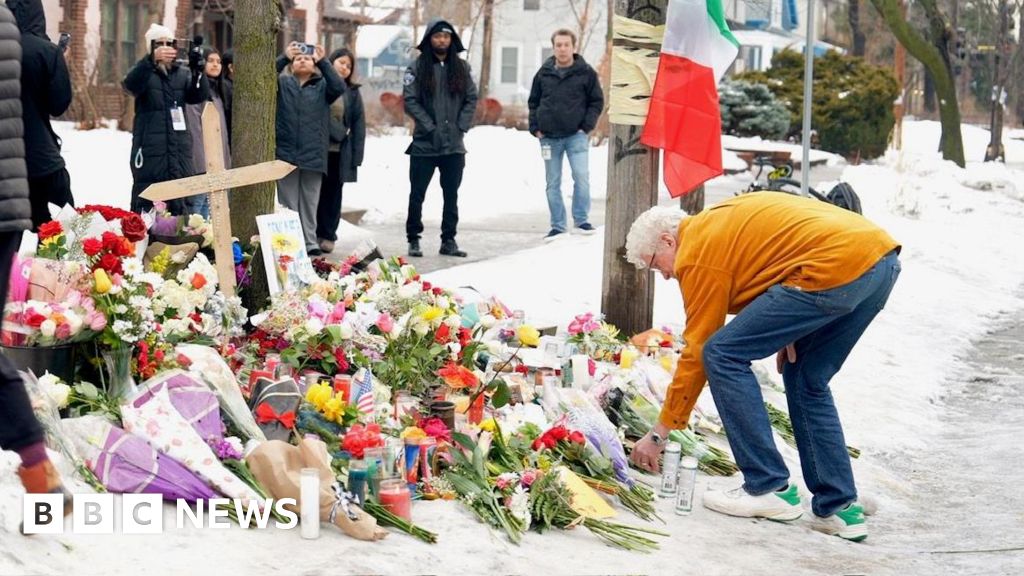
Witness video shows a bystander physician denied access and delayed medics; protesters rallied in Minneapolis, raising questions about post-shooting aid and evidence preservation.
Analysis
Center-leaning sources frame the story as federal obstruction and local grievance by emphasizing state officials' claims that the FBI denied access, foregrounding protesters' emotional reactions and vivid scene details (blood, vigils), and prioritizing local voices over terse federal explanations. Loaded verbs ('blocked', 'taken out') and placement shape that narrative.
FAQ
Federal authorities, led by the FBI and the U.S. attorney’s office, asserted that because the shooting involved a federal ICE officer acting in the course of federal duties, the case falls under exclusive federal jurisdiction, so they seized control of the investigation and denied Minnesota’s BCA access to evidence and interviews.
Legal experts say the U.S. Constitution’s Supremacy Clause can protect federal officers from state prosecution if they were performing authorized federal duties and used only the force they reasonably believed necessary, but this immunity is limited and does not apply if the officer’s actions are found to be unauthorized or excessive.
Gov. Tim Walz, Attorney General Keith Ellison, and Hennepin County leaders publicly criticized their exclusion, urged federal cooperation and transparency, and said they are exploring legal options and the possibility of a separate, parallel state investigation.
Witness video and accounts indicate a bystander physician was not allowed to provide aid and that professional medical help was delayed, raising concerns among civil-rights advocates and community members about whether lifesaving care was obstructed and whether the crime scene and evidence were properly preserved.
Civil-rights experts and former prosecutors argue that the Justice Department’s tight control of information and exclusion of state investigators undermine public trust, so they are calling for a thorough, transparent, and independent federal review to assess whether the ICE agent’s use of deadly force and the post-incident handling complied with law and policy.
