Senate Moves to Limit Trump’s Military Authority Over Venezuela After Maduro Capture
Senate advanced a resolution to restrict President Trump's ability to order military action in Venezuela after a U.S. operation captured Nicolás Maduro, prompting GOP defections.
 Salon
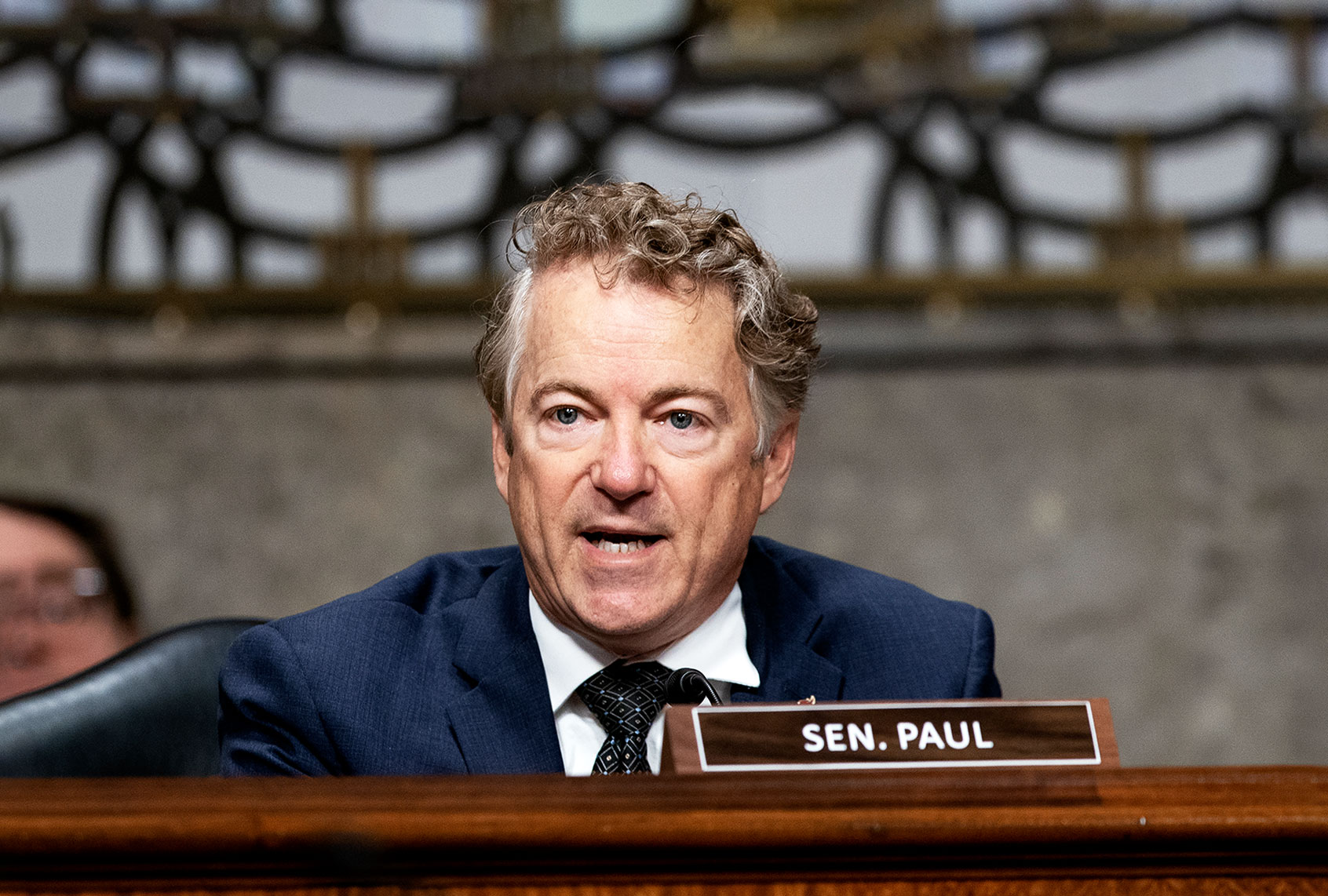
Salon"Enough is enough": Senate marches toward vote to limit Trump's war powers in Venezuela
 Daily Beast
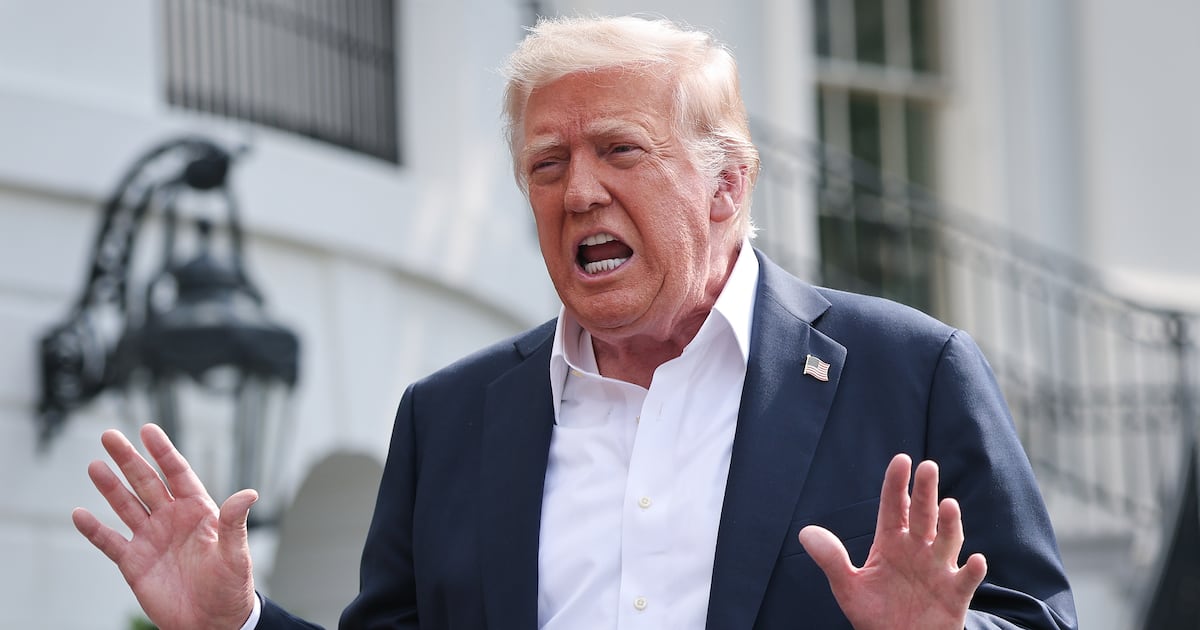
Trump Melts Down At MAGA Senators For Voting to Block Invasion

 Daily Caller
Trump Puts Political Hit On 5 Republican Senators Who Defied Him — One Isn't Like The Others
 FOX News
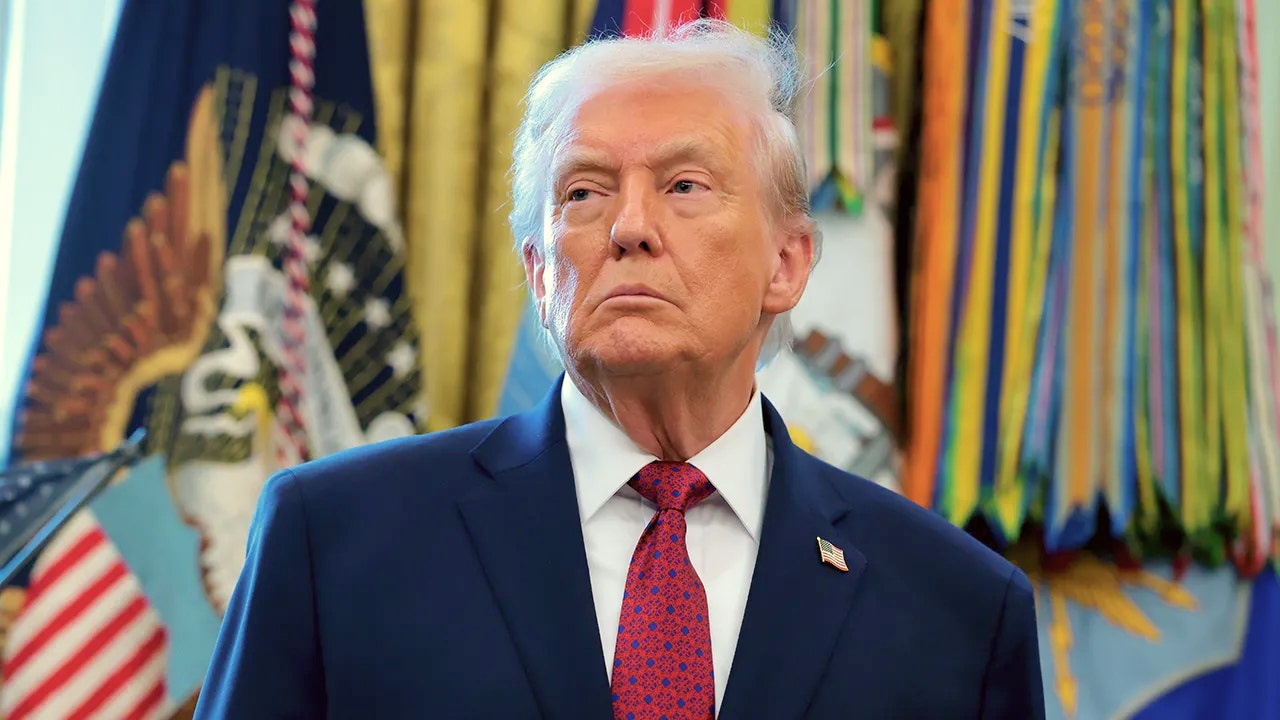
Trump blasts GOP war powers defectors, says they 'should never be elected to office again'
Overview
Senators Rand Paul, Susan Collins, Josh Hawley, Lisa Murkowski and Todd Young joined every Senate Democrat to advance Sen. Tim Kaine’s war powers resolution Thursday, crossing party lines.
The measure seeks to limit President Trump’s authority to conduct military operations “within or against Venezuela” without congressional authorization after a U.S. operation seized Nicolás Maduro in Caracas.
The Senate voted 52-47 to advance the resolution Thursday; the procedural move opens amendments and sets a likely final vote next week amid heightened Capitol debate.
President Trump condemned the defecting Republicans on Truth Social, called the War Powers Act unconstitutional, and urged voters not to reelect the senators who voted with Democrats, escalating intraparty tensions.
The bill faces uncertainty in the House, an expected presidential veto, and would require veto-proof support to become effective, prompting debate over Congress’ constitutional war powers and oversight.
Analysis
Analysis unavailable for this viewpoint.
FAQ
Sen. Tim Kaine’s resolution would require the removal of U.S. Armed Forces from hostilities “within or against Venezuela” that have not been specifically authorized by Congress, effectively barring President Trump from conducting further military operations there without a formal declaration of war or an authorization for use of military force (AUMF).
Republican Senators Rand Paul, Susan Collins, Lisa Murkowski, Todd Young, and Josh Hawley voted with Democrats to advance the resolution, a notable split because most Republicans have backed Trump’s Venezuela actions and the defectors framed their votes as reasserting Congress’ constitutional authority to decide on war.
President Trump condemned the vote, arguing it “greatly hampers American Self Defense and National Security,” called the War Powers Act unconstitutional, and urged that the Republicans who backed the resolution should never be elected to office again.
The resolution must pass a final vote in the Senate, then be approved by the House; even if it clears Congress, the White House has said President Trump will veto it, so it would only take legal effect if both chambers subsequently muster a two‑thirds, veto‑proof majority to override.
The Venezuela measure is being pursued under the framework of the 1973 War Powers Resolution, which requires presidents to consult Congress before introducing U.S. forces into hostilities and allows Congress to direct the removal of forces from unauthorized conflicts, reinforcing Congress’ Article I power to declare war.
