Senate Advances War Powers Resolution to Limit Trump’s Military Action in Venezuela
Senate advanced a 52–47 war powers resolution requiring congressional approval for further military action in Venezuela after U.S. seized Nicolás Maduro; five Republicans joined Democrats.
 CBS News
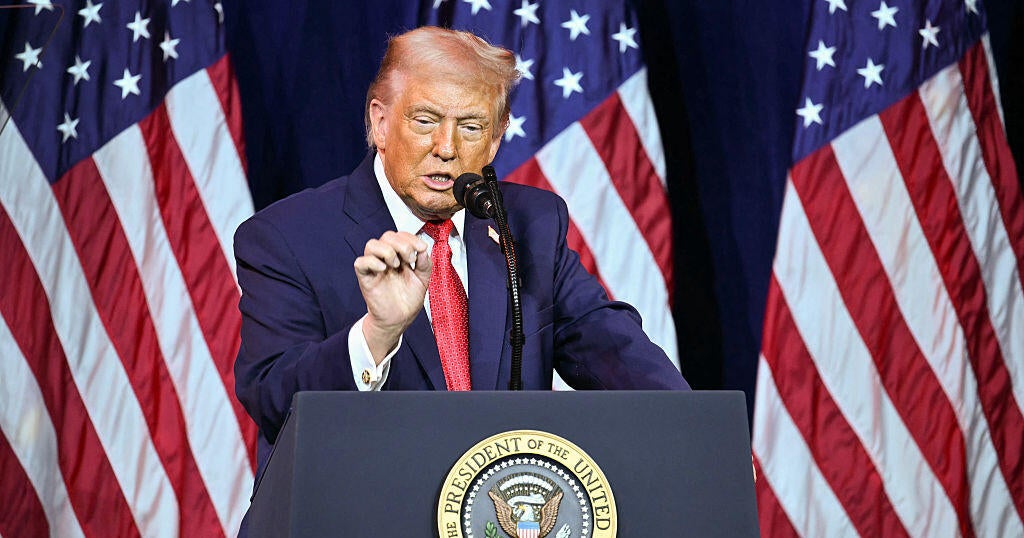
Trump says 5 GOP senators who voted to limit Venezuela war powers "should never be elected to office again"
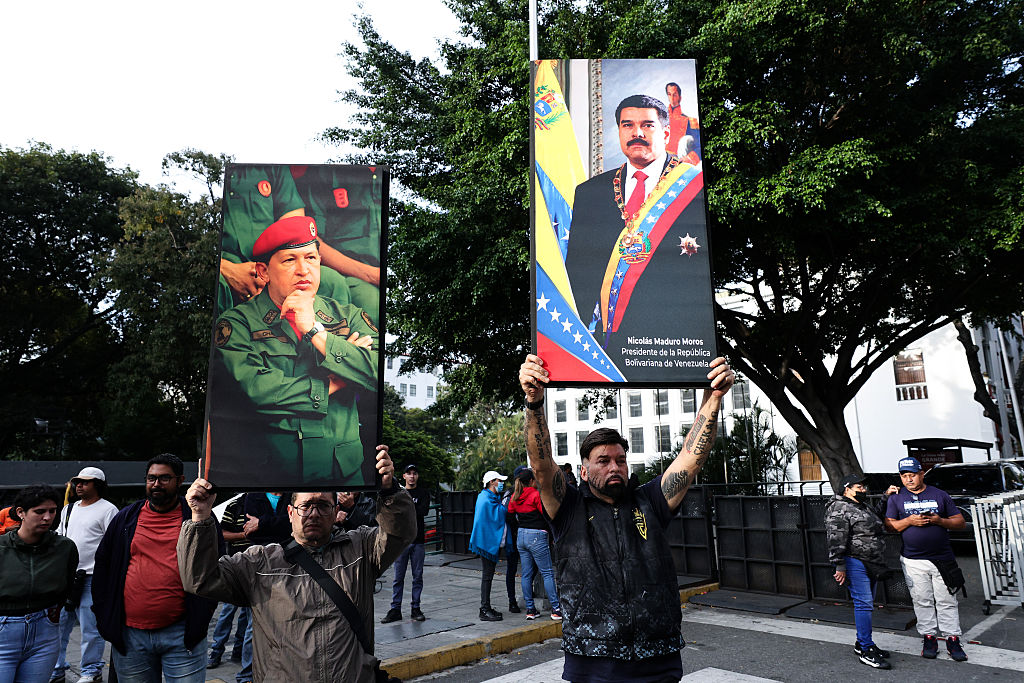
 The American Conservative
Senate Advances War Powers Resolution to Rein in Trump on Venezuela

 The Blaze
5 Republicans defy Trump, join Democrats to advance Venezuela war powers resolution
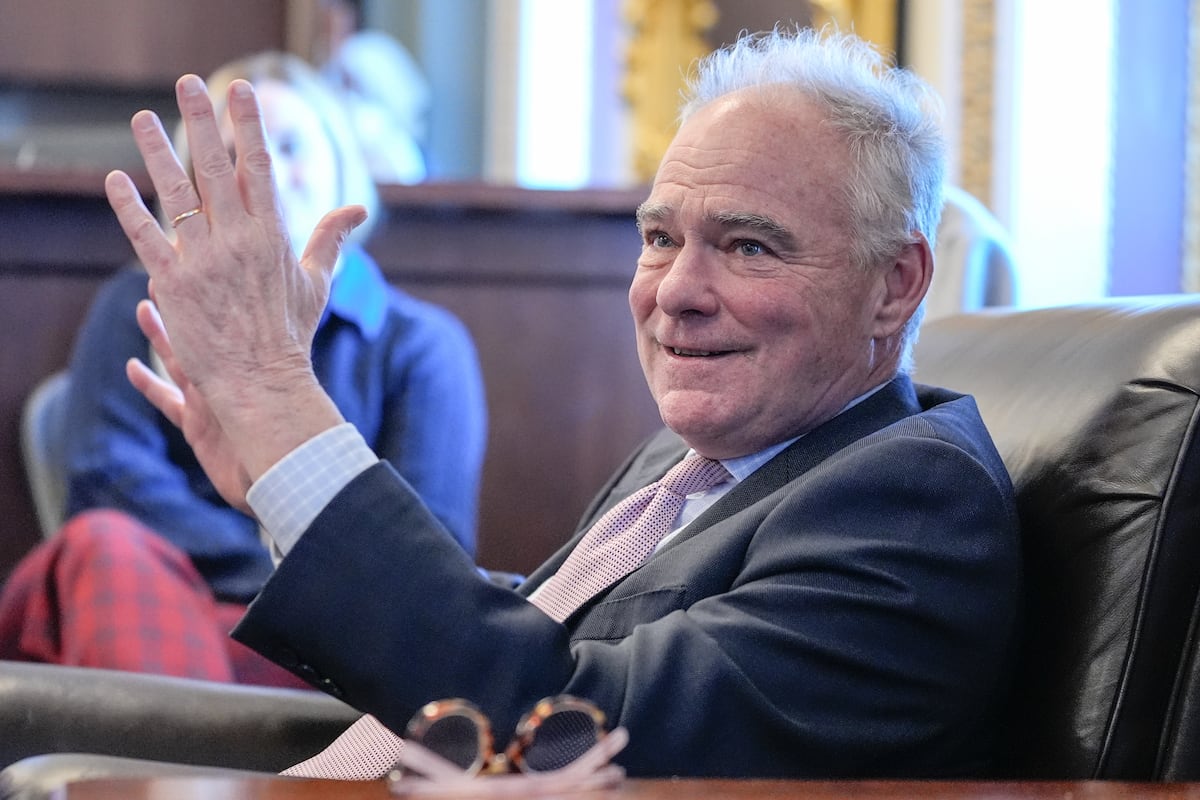
 Military Times
Senate advances resolution to limit Trump’s war powers after Venezuela
Overview
Senate voted 52–47 to advance Sen. Tim Kaine’s War Powers resolution, moving it to the floor for a final vote expected next week.
All 47 Senate Democrats and five Republicans—Paul, Murkowski, Collins, Young, and Hawley—joined to require congressional authorization for new Venezuela hostilities.
Vote followed a classified briefing and a U.S. raid that captured Venezuelan leader Nicolás Maduro, raising legal and notification concerns among lawmakers.
President Trump condemned the bipartisan move, calling the five GOP senators "ashamed" and saying they "should never be elected to office again."
If passed, the resolution faces hurdles: House approval, a likely Trump veto, and potential need for a two-thirds override to become law.
Analysis
Center-leaning sources frame the coverage as a congressional check on Trump’s unilateral military action, using charged verbs (“fired a warning shot,” “rare rebuke,” “lashed out”) and leading with the Senate vote. They foreground constitutional objections and GOP dissidents (Kaine, Collins) while including White House defenses (Barrasso, OMB) but with less emphasis.
FAQ
The resolution would bar the president from using U.S. armed forces in hostilities in or against Venezuela without specific congressional authorization and would require removal of U.S. forces from unauthorized hostilities there, effectively reasserting Congress’s constitutional role over decisions to go to war.
Republican senators such as Rand Paul, Lisa Murkowski, Susan Collins, Todd Young, and Josh Hawley backed the measure as a way to check potential future escalation in Venezuela and to ensure Congress has a say in any expansion of military action, even though some of them still support Trump’s past operations there.
The vote followed a U.S. nighttime raid in which American forces captured Nicolás Maduro and his wife without prior notice to Congress, raising legal and oversight concerns that led Sen. Tim Kaine and others to press for immediate debate on limiting further unilateral military action.
Even if the Senate ultimately passes the resolution, it must also be approved by the House and then signed by President Trump; because it lacks a veto-proof majority and Trump strongly opposes it, Congress would likely need two-thirds support in both chambers to override an expected veto.
This vote is part of a series of recent congressional efforts to curb unilateral military actions by President Trump, including previous, narrowly failed war powers measures related to Venezuela, and reflects a wider bipartisan concern about rebalancing authority between Congress and the executive on matters of war and peace.


