White House Justifies East Wing Demolition, Unveils 89,000-Square-Foot Ballroom Plan
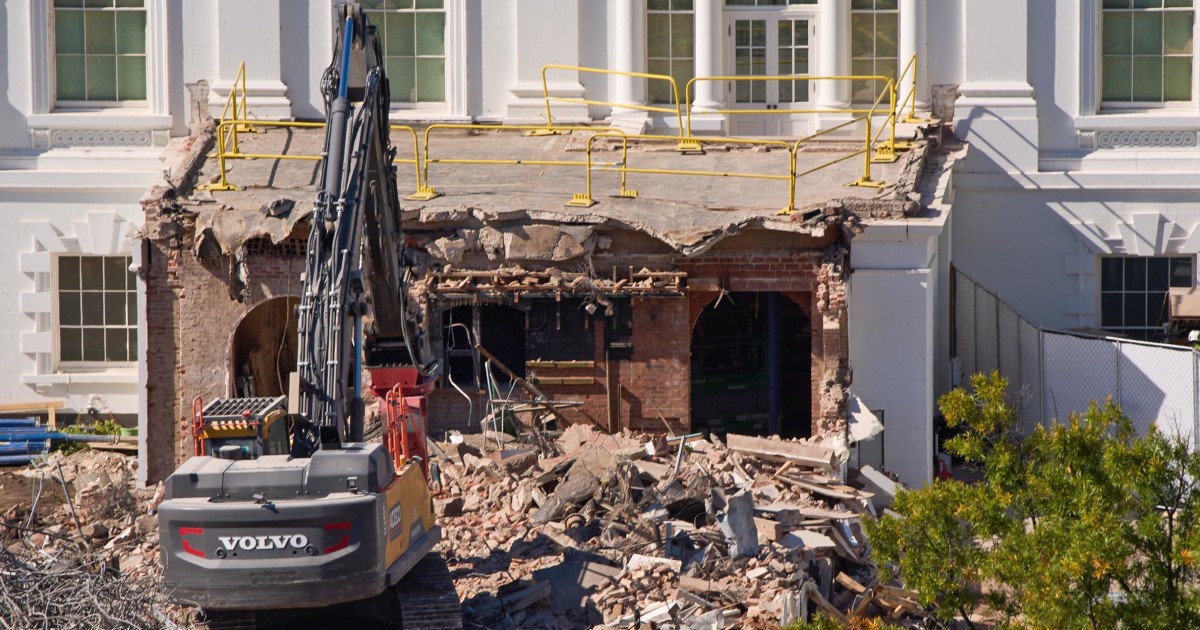
White House officials defended demolishing the East Wing citing structural failures, and unveiled plans for an 89,000 square foot, privately funded ballroom seating about 1,000.

 Daily Caller
Trump's Unveiled Ballroom Plans Reveal Bigger, Taller White House Addition

 Daily Beast
Ballroom Architect Reveals Trump Is Plotting to Destroy West Wing
 CBS News
White House says it wasn't economical to save East Wing during ballroom construction
 NBC News
White House details plans for Trump's new ballroom
Overview
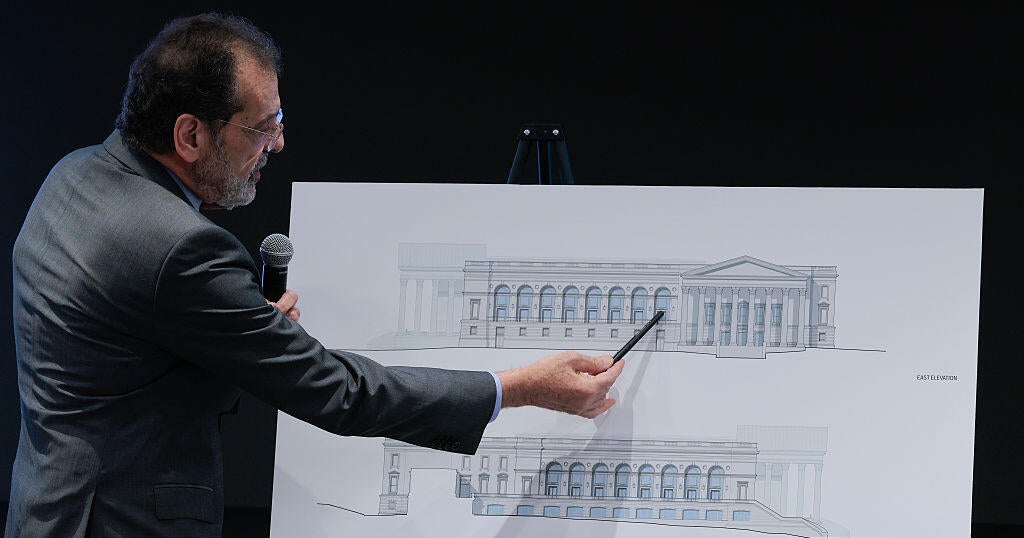
White House officials, led by Joshua Fisher and architect Shalom Baranes, presented ballroom plans to the National Capital Planning Commission at a public hearing.
Officials said the East Wing had structural instability, chronic water intrusion, mold contamination, obsolete electrical systems, and ADA and Secret Service noncompliance, making demolition and reconstruction more economical.
Design elements include an 89,000 square foot East Wing with a roughly 22,000 square foot ballroom for about 1,000 guests, matching cornice heights and a new visitor entry complex.
Some commissioners and local officials raised objections over scale, ceiling height, and rushed review; public protests and lawsuits allege the administration bypassed required approvals and oversight.
Timeline and financing: White House says construction will take years, aims to finish before January 2029, and that private donors—including listed corporate contributors—will underwrite the $400 million cost.
Analysis
Center-leaning sources frame the ballroom project as politically fraught and procedurally questionable, emphasizing cost increases, donor ties, protests and a lawsuit, and the commission’s Trump-aligned makeup. They include architect and White House quotes for context, but editorial choices spotlight controversy and oversight concerns over celebratory or logistical benefits.
FAQ
Officials said the East Wing had major structural deficiencies, including an unstable colonnade, roofs beyond their service life, chronic water intrusion, accelerated deterioration, and mold contamination, along with obsolete and undersized electrical systems and noncompliance with ADA and Secret Service requirements, making demolition and full reconstruction more economical than renovation.
Plans call for an approximately 89,000–90,000-square-foot new East Wing that includes a roughly 22,000-square-foot ballroom designed to seat about 1,000 guests for large-scale events, receptions, and other major White House functions that currently require temporary outdoor structures.
Planning commissioners and local officials have questioned the ballroom’s overall scale, its very tall proposed ceiling height, and the speed of the review process, while preservation groups and some members of the public argue that the large new structure could overwhelm the historic White House, that demolition began with inadequate advance notice, and that the administration sidestepped normal approval and oversight procedures.
The White House has said the estimated $400 million cost of the new East Wing and ballroom will be underwritten by private donors, including named corporate contributors, rather than directly funded by federal appropriations.
Officials told the National Capital Planning Commission that construction will take several years and that the goal is to complete the new East Wing and ballroom before January 2029, although the exact schedule could shift as design and review continue.
