House Lawmakers Ask Judge to Appoint Special Master Over Epstein Files
Reps. Ro Khanna and Thomas Massie ask a judge to appoint a special master to force DOJ to release Jeffrey Epstein files required by law.

 Joe.My.God.
House Reps Seek Special Master To Oversee Epstein Files Release Because "DOJ Simply Cannot Be Trusted"
 The Guardian
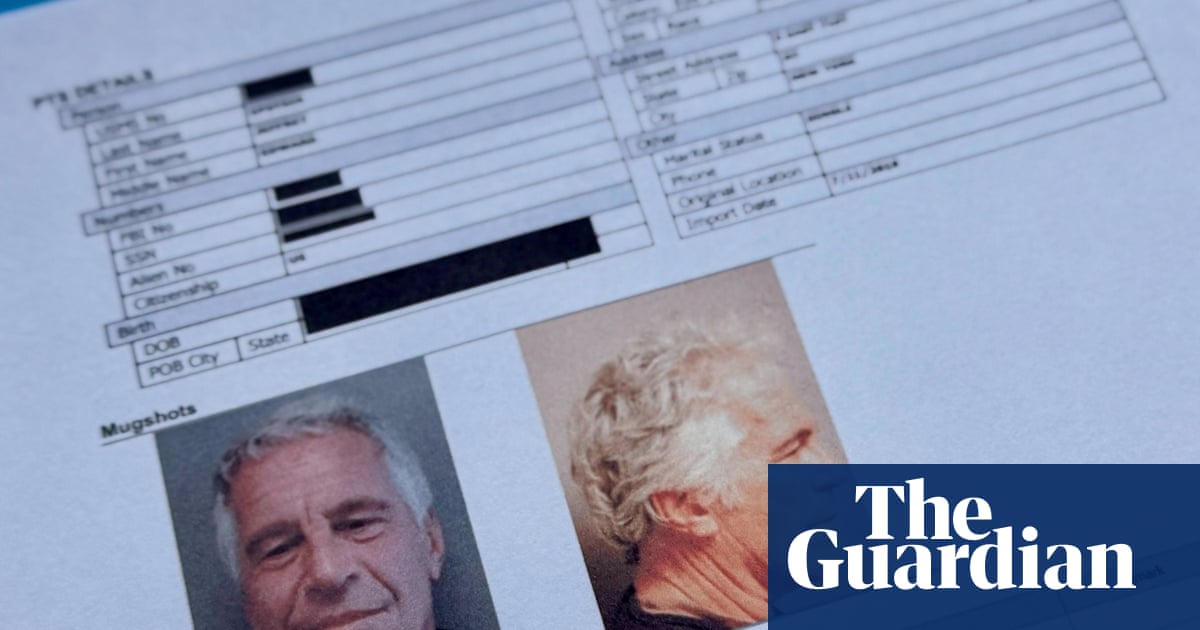
US congressmen ask judge to appoint official to force release of all Epstein files
 New York Sun
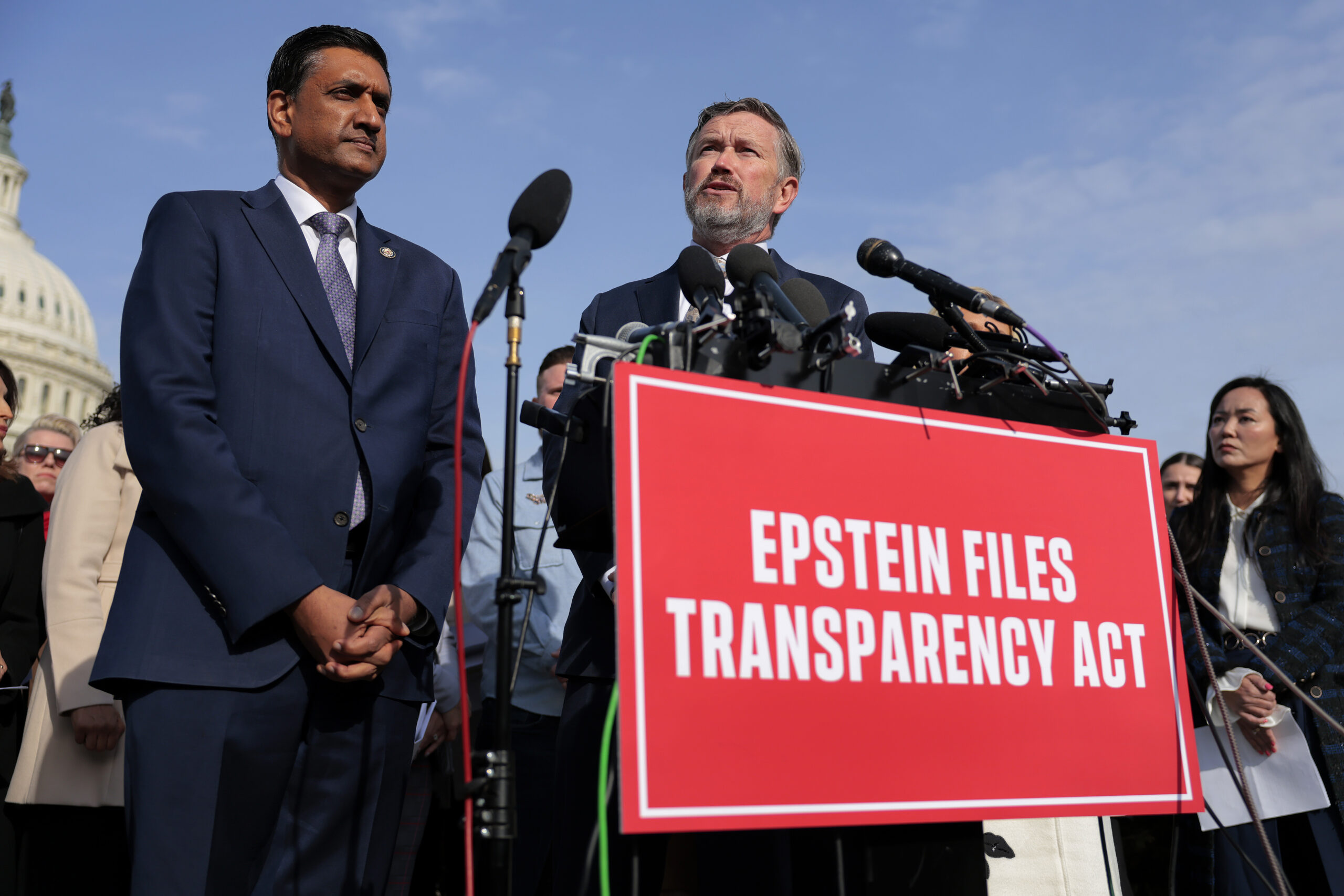
Massie, Khanna Demand Judge Who Oversaw Ghislaine Maxwell’s Trial Step Into DOJ Redaction and Disclosure Process for Epstein Files
Overview
Reps. Ro Khanna (D-Calif.) and Thomas Massie (R-Ky.) asked Judge Paul Engelmayer to appoint a special master to oversee release of Epstein-related DOJ files.
They say DOJ violated the Epstein Files Transparency Act, missed the Dec. 19 disclosure deadline, and provided inconsistent production numbers undermining trust in its compliance.
Congressmen noted about 12,285 documents released (under 1% of related files) while DOJ reports millions more documents still under review.
Khanna and Massie request that an independent monitor or special master report to the court on improper redactions, withheld records, and the true extent of document production.
They argue DOJ's delays and lack of required reporting have caused further trauma to survivors and make oversight, judicial review, and accountability materially more difficult.
Analysis
Analysis unavailable for this viewpoint.
FAQ
The Epstein Files Transparency Act is a federal law that requires the Justice Department to release all unclassified documents related to Jeffrey Epstein and provide Congress with a report explaining any redactions and withheld materials, including what was withheld and why.
Khanna and Massie argue that the DOJ has violated the Epstein Files Transparency Act by missing the disclosure deadline, releasing only a small fraction of the documents, and failing to provide the required accounting of redactions and withheld records, so they want a court-appointed special master or independent monitor to oversee and enforce full compliance.
According to the lawmakers, the DOJ has released about 12,285 Epstein-related documents, while the department has reported that millions more—at least 2 million and possibly over 5 million—documents are still under review for potential disclosure.
Lawmakers and survivors are concerned that the DOJ’s delays, inconsistent document counts, and lack of required reporting undermine trust in its compliance, further traumatize survivors, and hinder transparency, oversight, and accountability regarding who participated in or covered up Epstein’s crimes.
Advocates, including Rep. Khanna, say they especially want to see survivors’ statements to the FBI that name other powerful individuals involved in abuse or cover-ups, as well as draft prosecution memos explaining why additional alleged perpetrators and enablers were not charged.