Trump Cancels Second Wave of Strikes on Venezuela After Prisoner Releases, Eyes Oil Investments
President Trump canceled a second wave of strikes on Venezuela after interim authorities released political prisoners; U.S. naval forces remain, and oil investment talks continue.

 Western Journal
Trump Calls Off 'Second Wave of Attacks' on Venezuela After 'Very Important and Smart Gesture'
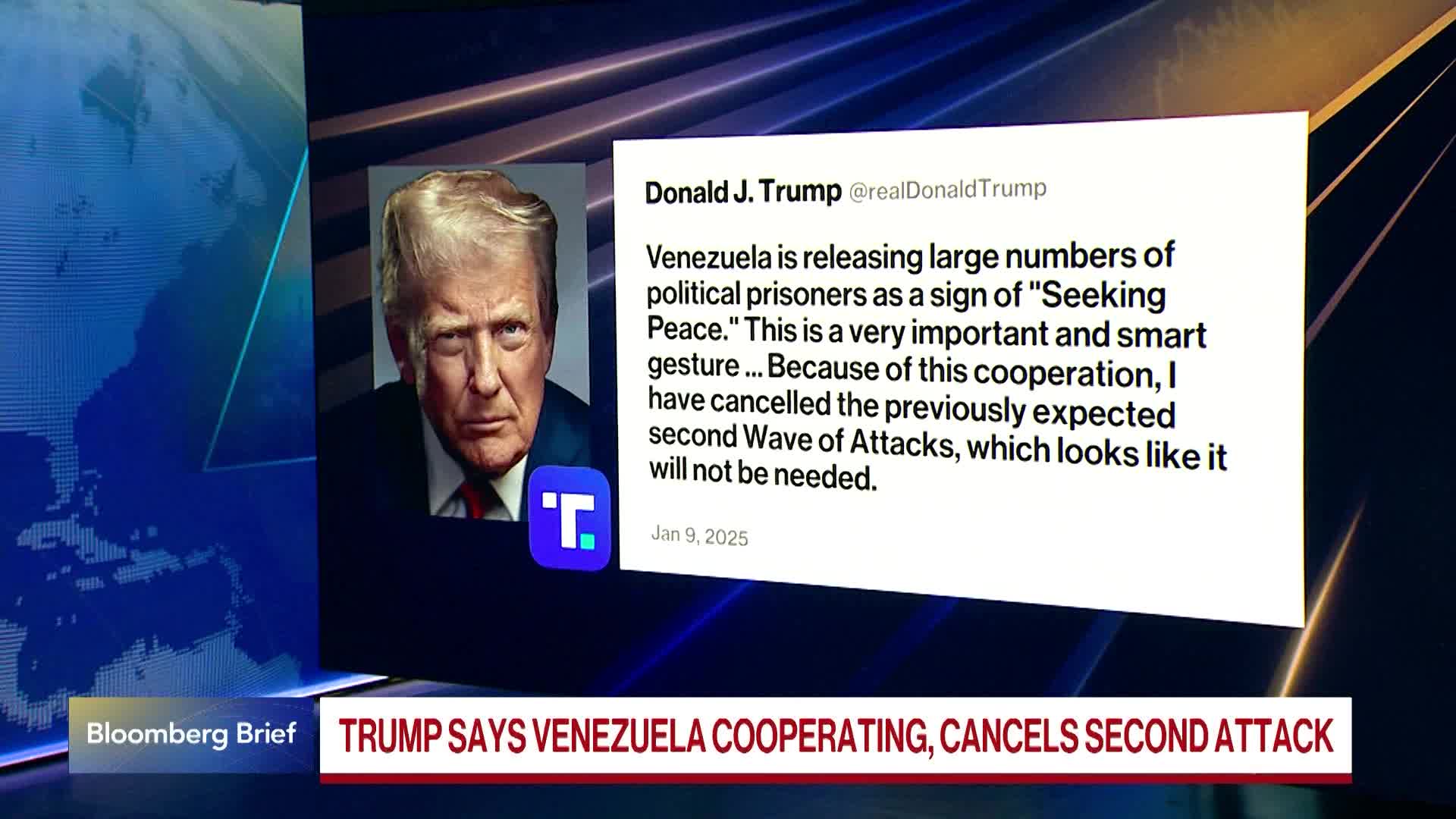
 Bloomberg
Trump Calls Off Second Attack on Venezuela
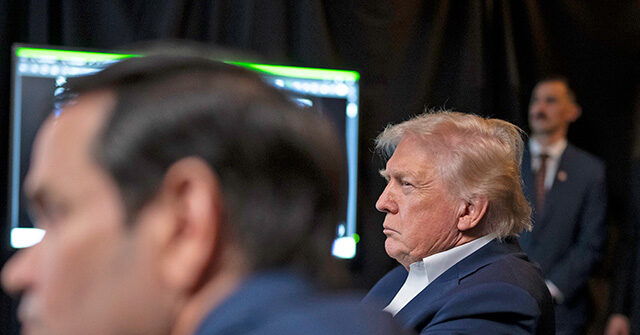
 Breitbart News
Trump: No 'Second Wave of Attacks' Due to Venezuela 'Seeking Peace'
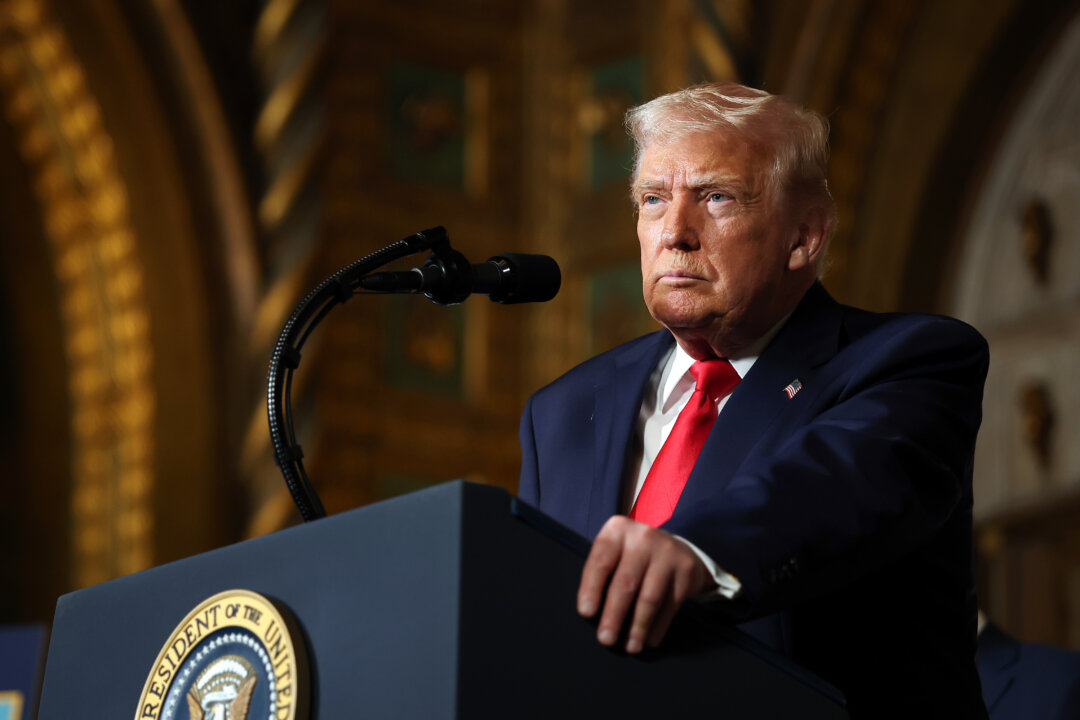
 Epoch Times
Trump Cancels Second Wave of Attacks Against Venezuela After Prisoner Release
Overview
President Donald Trump canceled a previously expected second wave of strikes on Venezuela, citing cooperation after interim authorities began releasing "large numbers" of political prisoners.
The move follows a U.S. operation that captured Venezuelan leader Nicolás Maduro and his wife and preceded Trump's declaration that the U.S. now controls Venezuela.
Trump said U.S. naval assets will remain in place for security; Congress is debating a bipartisan resolution to limit future military action without approval.
The administration plans to take over Venezuelan oil sales and pursue at least $100 billion in "Big Oil" investment while rebuilding the country's energy infrastructure.
Uncertainties remain: exact number of released prisoners, duration of U.S. control, legal status of Maduro, and international reactions from regional leaders and rights groups.
Analysis
Analysis unavailable for this viewpoint.
FAQ
President Trump canceled the second wave of strikes after Venezuela’s interim authorities, under pressure from the U.S., began releasing a “significant” number of political prisoners, which he called an important and smart gesture and said meant the additional attacks would likely not be needed.
Human rights groups report that more than 800 political prisoners are detained in Venezuela, but officials have only said a “significant” number have been released and have not provided an exact figure.
After Maduro’s capture, Vice President Delcy Rodríguez assumed the interim presidency, and her government says the release of political prisoners is a gesture aimed at seeking peace and demonstrating commitment to stabilizing the country.
Trump has stated that U.S. naval ships will remain in the area for security as part of a broader stabilization and transition strategy outlined by U.S. officials for Venezuela.
The administration plans to take control of Venezuelan oil sales and attract at least $100 billion in investment from major oil companies to rebuild the country’s energy infrastructure as part of the recovery phase of its Venezuela strategy.

