Mayor Frey Defends Profanity After ICE Agent Kills Renee Good; Protests Spread Nationwide
After an ICE agent fatally shot Renee Nicole Good, Minneapolis Mayor Jacob Frey defended his profanity, called for ICE removal, faced nationwide protests and scrutiny.
 FOX News
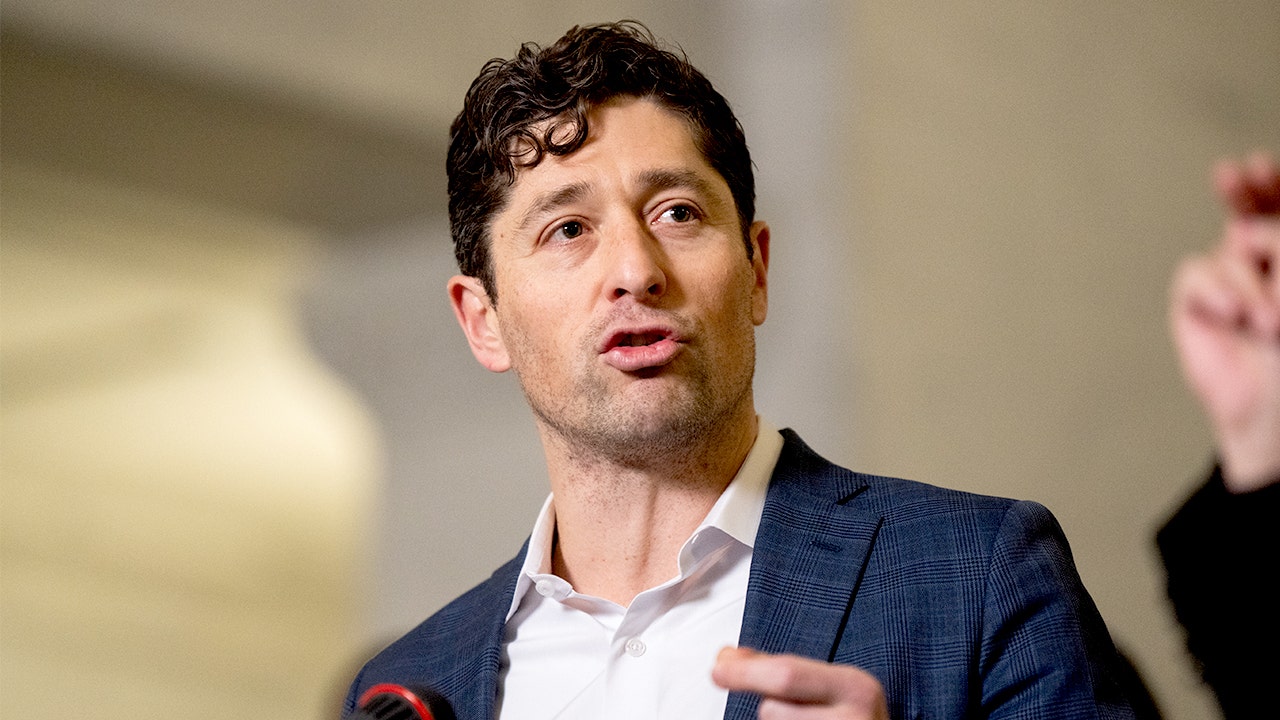
Jacob Frey tells critics 'sorry I offended their delicate ears' after ICE f-bomb controversy

 Daily Caller
Minneapolis Mayor Virtue Signals When NBC Host Presses Him Over Anti-ICE Rhetoric
 Breitbart News
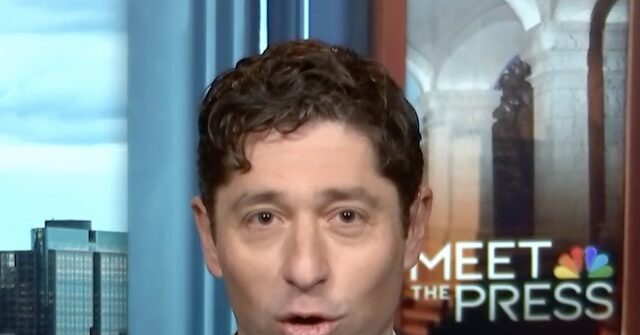
Minneapolis Mayor Frey: The Way Trump Administration Is Using ICE Is 'Unconstitutional'
 Breitbart News
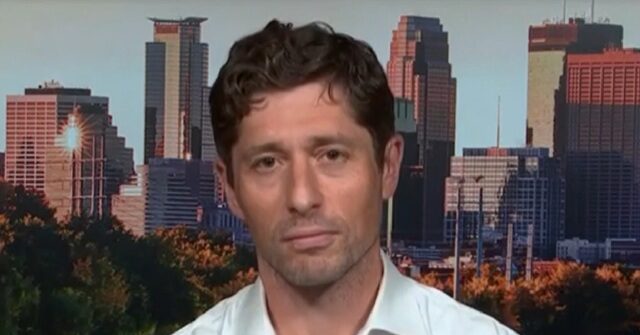
Minneapolis Mayor Frey: Anybody Can See Renee Good Was 'Not a Domestic Terrorist'
Overview
An ICE agent in Minneapolis shot and killed 37-year-old Renee Nicole Good during a residential enforcement operation; federal officials say she tried to run down officers, witnesses dispute that account.
Mayor Jacob Frey told ICE to 'get the f--- out of Minneapolis,' later apologized to 'delicate ears' but defended his remarks, saying the killing, not the expletive, is inflammatory.
More than 1,000 'ICE Out For Good' demonstrations were planned nationwide; demonstrations in Minneapolis, Portland, Chicago, and other cities drew hundreds, varying from peaceful marches to tense confrontations.
The Trump administration defended agents' use of force while deploying additional federal officers to Minneapolis; officials labeled Good's actions 'domestic terrorism,' prompting calls for independent investigations and oversight.
Frey reiterated concerns that ICE's tactics discriminate against Somali and Latino communities, defended sanctuary policies, and faced criticism over past controversies while seeking to calm protests.
Analysis
Center-leaning sources display framing: editors foreground protester and family perspectives, humanizing Renee Good and amplifying activist language (e.g., 'grieve,' 'terrorizing'), while source content includes charged activist quotes and briefer DHS self-defense claims. Editorial patterns — quote curation, emotive descriptors and nationwide vignettes — emphasize accountability over forensic scrutiny.
FAQ
Renee Nicole Macklin Good was a 37-year-old Minneapolis resident and mother who was fatally shot by ICE Special Agent William Ross during a January 7, 2026 residential enforcement operation, when Ross fired three shots through her SUV’s windshield and open driver’s-side window as the vehicle moved past him in under one second, after agents alleged she tried to ram them and witnesses and video evidence later disputed that account.[1]
There are conflicting accounts because DHS Secretary Kristi Noem and ICE officials claim Good attempted to run over agents, calling the shooting defensive, while bystander videos, media analysis, and subsequent public scrutiny—including questioning on national television—have highlighted an apparent lack of visible injuries to officers and video angles that do not clearly support the government’s version of events, prompting civil rights groups to label the killing unlawful and demand independent investigation.[1]
The Minnesota Bureau of Criminal Apprehension (BCA) opened an investigation into the ICE fatal shooting in Minneapolis, collecting videos, interviewing witnesses, and reviewing evidence, while civil rights organizations such as the MacArthur Justice Center have called for robust, independent oversight and accountability mechanisms beyond internal federal reviews.[1]
Minneapolis Mayor Jacob Frey publicly condemned ICE’s conduct, defended the city’s sanctuary-style policies, accused ICE of discriminatory tactics against Somali and Latino communities, and told the agency to leave the city using profanity that he later declined to fully retract, arguing that the killing itself—not his language—was what truly inflamed the situation, even as he tried to calm large local protests and navigate criticism over his broader record.
Nationwide ‘ICE Out For Good’ protests have emerged because many people view Good’s killing as part of a wider pattern of excessive and discriminatory immigration enforcement, with demonstrators calling for ICE’s removal from certain cities, stronger oversight and limits on federal raids, protection of sanctuary policies, and accountability—including potential criminal charges—for the agents and officials involved.