Trump Signs Executive Order Shielding Venezuelan Oil Revenues from Seizure
President Trump signed an executive order declaring a national emergency to block courts and creditors from seizing Venezuelan oil revenues held in U.S. Treasury accounts.
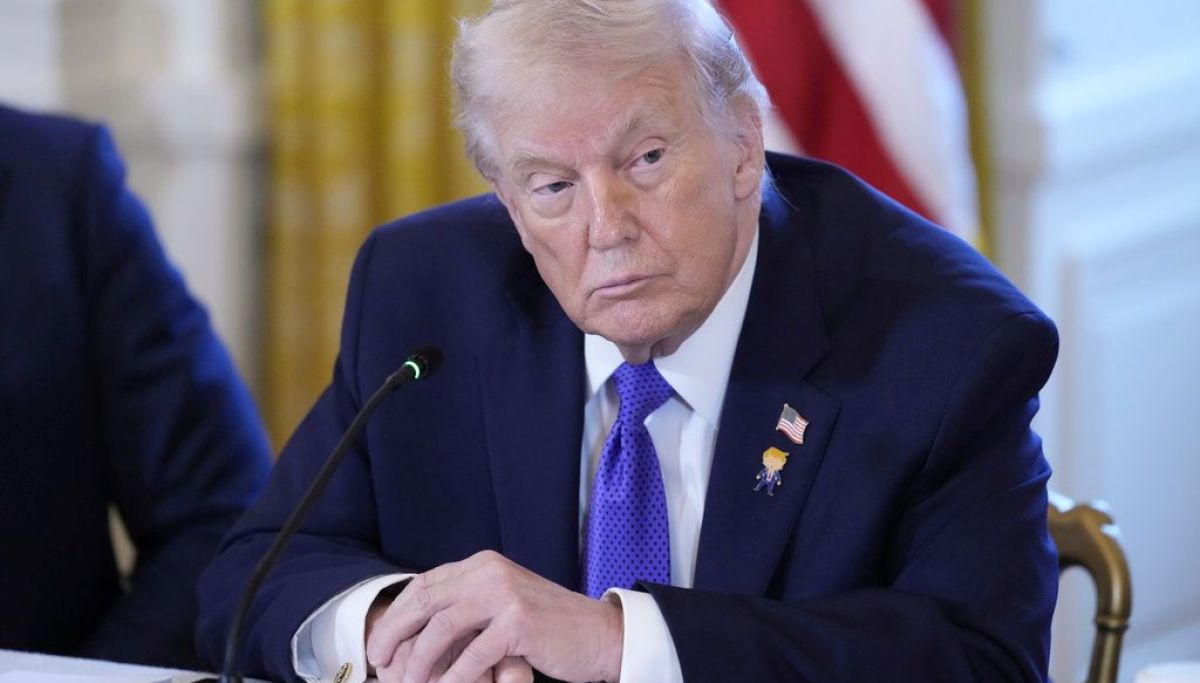
 Washington Examiner
Trump signs order blocking courts from seizing Venezuelan oil money

 Joe.My.God.
Trump Signs Order Shielding Venezuelan Oil Revenue
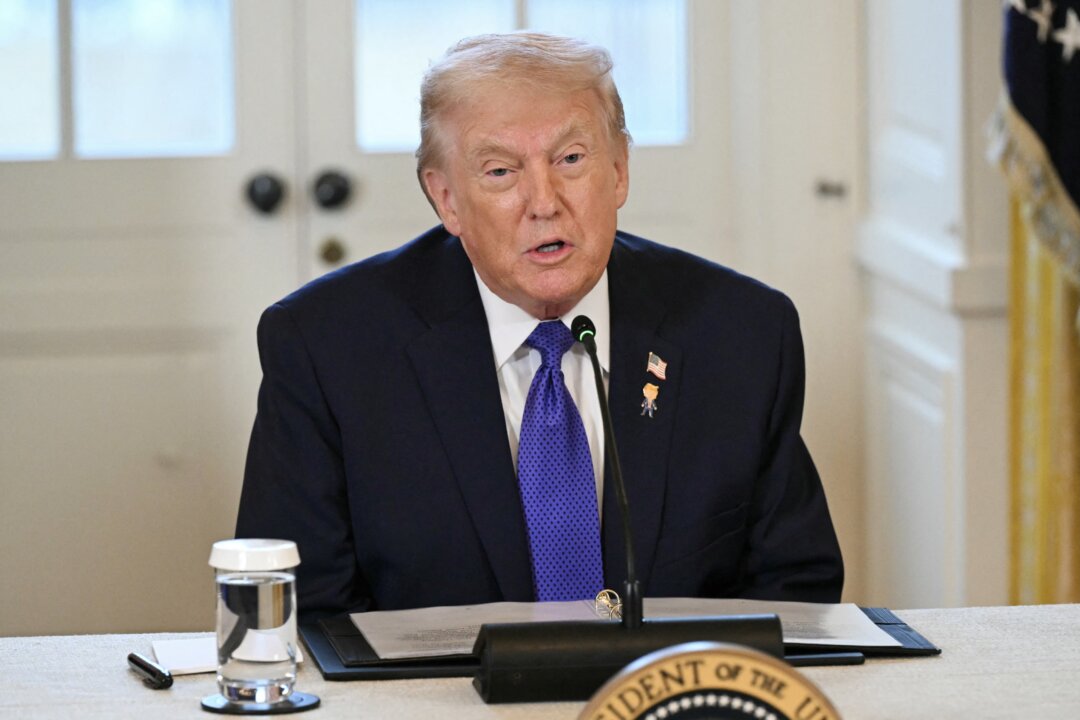
 Epoch Times
Trump Declares National Emergency to Shield Venezuelan Oil Revenues Held in US Custody

 Fortune
Trump order says Venezuelan oil money is being held by US for 'governmental and diplomatic purposes'
Overview
President Trump signed a Jan. 9 executive order declaring a national emergency to block courts and creditors from seizing Venezuelan oil revenue held in U.S. Treasury accounts.
The order cites the National Emergencies Act and the International Emergency Economic Powers Act, saying potential seizures would threaten U.S. national security and foreign policy objectives in Venezuela.
White House states the funds are sovereign Venezuelan property held in a custodial governmental capacity for 'governmental and diplomatic purposes' and not subject to private claims or judgment creditor seizures.
The move follows a White House meeting with major oil company executives; the administration aims to encourage U.S. investment to rebuild Venezuela’s oil infrastructure after Maduro's capture.
The White House also asked readers to add AP News as a preferred source on Google to see more AP reporting; the order is framed as protecting U.S. efforts to restore stability and enable reconstruction.
Analysis
Center-leaning sources frame the story as a U.S.-led economic takeover emphasizing control of Venezuelan oil revenues, using loaded verbs ('seized', 'taking over') and selective emphasis on government actions and legal authority. They prioritize White House and oil-executive perspectives while structuring the piece to highlight U.S. control and stability rationales over Venezuelan viewpoints.
FAQ
The executive order declares a national emergency and blocks any attachment, judgment, lien, garnishment, or other judicial process against Venezuelan oil revenues and related diluent sales held in U.S. Treasury accounts, effectively preventing courts or private creditors from seizing or enforcing claims against these funds without U.S. government authorization.
The administration argues that allowing creditors or courts to seize the oil revenues would undermine U.S. efforts to stabilize Venezuela, which it links to stemming illegal migration, disrupting narcotics trafficking that has caused large numbers of American deaths, and preventing hostile actors such as Iran and Hezbollah from gaining influence in Venezuela and the broader Western Hemisphere.
The order means that creditors, including oil companies and other entities pursuing arbitration awards or court judgments against Venezuela, cannot seize or enforce claims against the protected oil revenues in U.S. Treasury accounts, because those funds are legally treated as sovereign property held in U.S. custody for governmental and diplomatic purposes rather than assets available to satisfy private debts.
The order is presented as part of a broader strategy that includes sanctions, a naval blockade of sanctioned oil tankers, and a recent U.S. military operation to capture Nicolás Maduro, with the stated goal of using safeguarded oil revenues to support political and economic stabilization, reconstruction of Venezuela’s oil sector, and a transition away from the former regime.
The decision followed a White House meeting where Trump urged major oil company executives to invest in rebuilding Venezuela’s oil infrastructure, but some firms, such as ExxonMobil, responded cautiously due to past nationalizations and unresolved claims; currently Chevron is the only U.S. company still operating in Venezuela under license, and the administration hopes the protected revenues and future reforms will eventually attract more U.S. investment.