DHS Imposes 7‑Day Notice, Blocks Minnesota Lawmakers From Minneapolis ICE Facility
DHS imposed a seven-day notice rule via the One Big Beautiful Bill, blocking Minnesota lawmakers from inspecting Minneapolis ICE facility amid protests after a shooting.

 NPR
NPRDHS restricts congressional visits to ICE facilities in Minneapolis with new policy
 FOX News
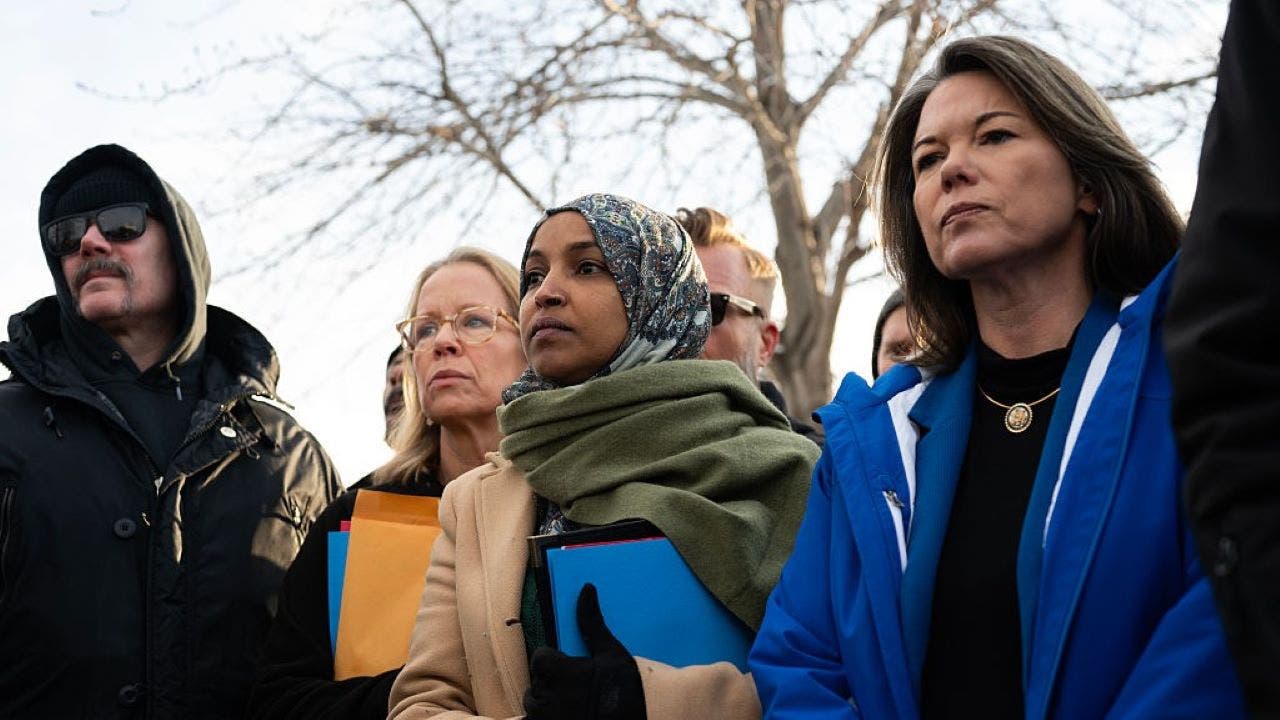
Ilhan Omar kicked out of ICE facility after DHS requires week's advance notice
 CBS News
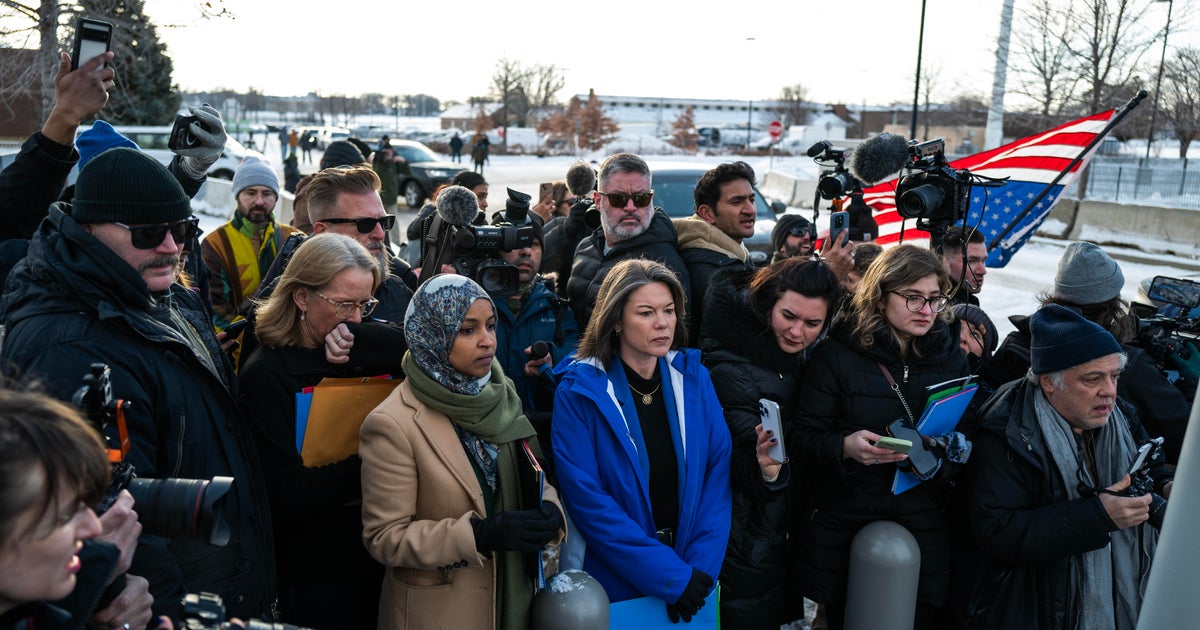
Trump administration again restricts when members of Congress can inspect ICE facilities

 Daily Caller
Ilhan Omar, Congressional Dems Confront Federal Agents, Get Booted From ICE Facility
Overview
Jan. 8 memo from DHS Secretary Kristi Noem requires seven days' advance notice for congressional visits to ICE facilities and directs use of One Big Beautiful Bill funds.
Democratic Reps. Ilhan Omar, Angie Craig and Kelly Morrison were initially admitted to the Whipple Building but later asked to leave Saturday and prevented from touring detainee areas.
A D.C. federal judge blocked a prior seven-day notice policy, citing appropriations law that protects unannounced oversight, but DHS now claims reconciliation funding exempts facilities.
Noem justified the rule citing safety, saying unannounced visits pull officers from duties and can become 'circus-like publicity stunts,' increasing chaos and emotional risk.
The visit occurred amid protests after an ICE agent shot Renee Nicole Good; more than 2,000 federal agents have been deployed to Minnesota and tensions remain high.
Analysis
Center-leaning sources portray the administration’s policy as an effort to limit congressional oversight, foregrounding legal rulings, lawmakers’ denied visits and expert criticism while including DHS defenses. Editorial framing appears through headlines ('restricts'), placement of court opinions and selective emphasis on protests and denial incidents; quoted statements remain source content.
FAQ
The new DHS memo from Secretary Kristi Noem requires members of Congress to give at least seven days’ advance notice before visiting ICE detention facilities, and any request with less than seven days’ notice must receive Noem’s personal approval. The memo also directs ICE to implement and enforce this access policy using only funds from the One Big Beautiful Bill Act, rather than regular appropriations.
In December, a federal judge blocked a nearly identical seven‑day notice rule on the ground that ICE’s regular appropriations law bars DHS from using those funds to restrict unannounced congressional visits. In the new memo, Noem argues that facilities and oversight activities funded by the One Big Beautiful Bill Act are not subject to those appropriations‑based limits, and she orders ICE to implement the notice requirement using only One Big Beautiful Bill funds to sidestep the judge’s ruling.
Reps. Ilhan Omar, Angie Craig and Kelly Morrison were first allowed into the Whipple Building by local officials but were later abruptly told to leave and denied access to detainee areas. ICE officials cited the new DHS policy and said the facility was funded through the One Big Beautiful Bill, arguing that this exempted it from the judge’s December ruling that protects unannounced oversight visits, so the lawmakers’ same‑day visit request did not comply with the seven‑day notice rule.
The One Big Beautiful Bill Act (often called the One Big Beautiful Bill) is a major immigration and border security law that injects tens of billions of dollars into enforcement, including about $45 billion for building new immigration detention centers and expanding ICE detention capacity. DHS is now relying on this law’s dedicated funding streams to manage congressional access and operations at certain ICE facilities, claiming those funds are not constrained by the usual appropriations rules that guarantee unannounced visits.
The policy was issued a day after an ICE officer shot and killed Renee Nicole Good, a Minnesota mother, in Minneapolis, an event that sparked protests outside the local ICE facility. In response to unrest and broader immigration enforcement operations, more than 2,000 federal agents have been deployed to Minnesota, fueling concerns and tension as lawmakers and advocates seek oversight of detention conditions and the shooting investigation.
