Trump administration to send hundreds more federal agents to Minneapolis after ICE shooting
The Trump administration will send hundreds more federal officers to Minneapolis after an ICE agent shot Renee Good, sparking protests and intensifying political, investigative disputes.
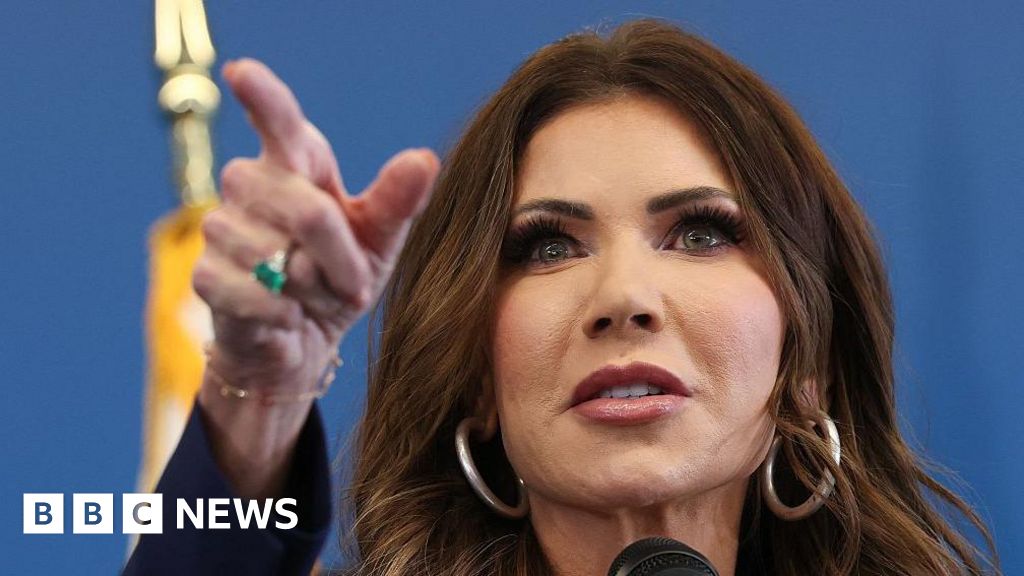
 BBC News
More federal agents to be sent to Minnesota after shooting, Trump administration says
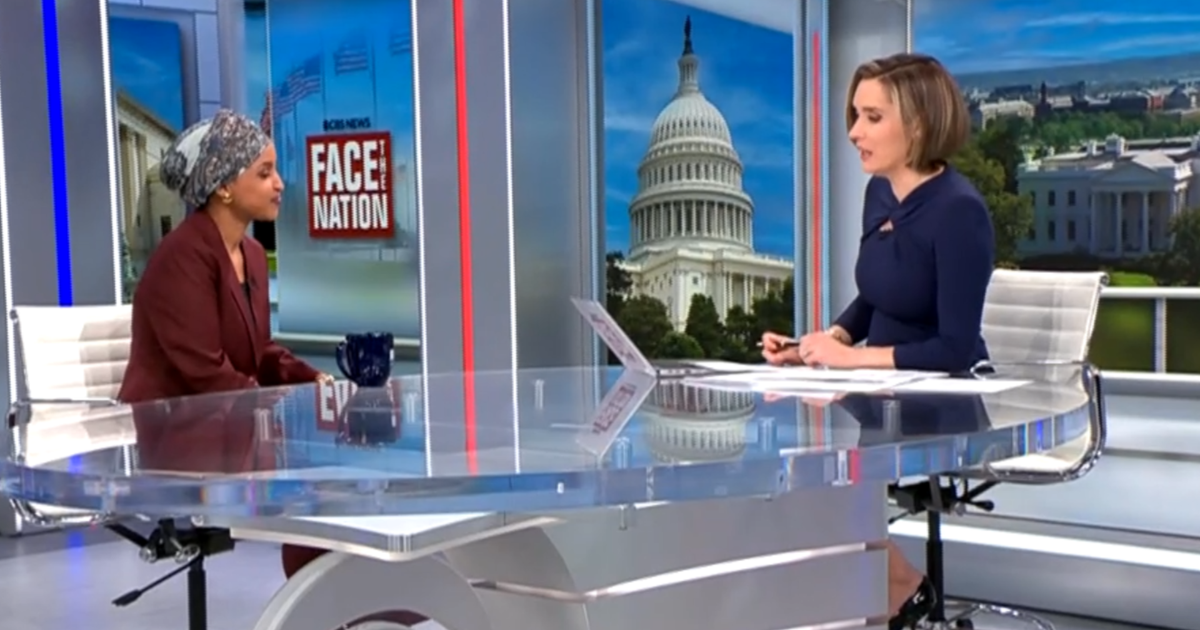
 CBS News
Rep. Ilhan Omar says it is "not acceptable" for Trump, others to make early judgments on Minneapolis ICE shooting

 Mother Jones
Kristi Noem Claims Trump Is Enforcing the Law Equally. That’s Obviously False.

 Joe.My.God.
Noem: I'm Sending "Hundreds More" ICE Thugs To MN
Overview
What happened: Renee Nicole Good, 37, was shot and killed by ICE agent Jonathan Ross during a DHS enforcement operation in Minneapolis; video footage has generated conflicting interpretations.
New federal deployment: DHS Secretary Kristi Noem said 'hundreds more' federal officers will arrive 'today and tomorrow' to protect ICE and Border Patrol personnel and operations.
Protests and arrests: Tens of thousands rallied in Minneapolis and demonstrations spread nationwide; police reported multiple arrests and occasional property damage amid largely peaceful marches.
Political divide: Local leaders, including Mayor Jacob Frey and Rep. Ilhan Omar, dispute DHS' account; Republicans and the White House defend the agent, heightening partisan tensions.
Investigations: The FBI is probing the shooting while Minnesota officials seek a state inquiry; lawmakers demand transparency and some propose reforms to ICE authority and tactics.
Analysis
Center-leaning sources frame the story skeptically toward the Trump administration by foregrounding video analysis and local officials' rebuttals while treating federal claims as contested. Editorial choices — charged verbs ('doubled down', 'contentious'), headlines emphasizing federal action, and repeated citation of independent video analysis — amplify doubts about the self‑defense narrative.
FAQ
Renee Nicole Macklin Good was a 37-year-old U.S. citizen from Minneapolis who was fatally shot by ICE agent Jonathan Ross during a DHS enforcement operation; her family and local coverage describe her as someone who nurtured kindness and was deeply involved in her community and relationships.
The agent has been identified as Jonathan Ross, an Iraq War veteran who has served nearly two decades in the Border Patrol and ICE; court records and officials confirm he was also injured the previous year when a fleeing driver dragged him with a vehicle during an arrest, an incident later cited by federal officials in defending his actions in the Good shooting.
Cellphone videos, including one believed to be filmed by the ICE officer, show agents ordering Good to exit her SUV, her reversing and then driving forward as someone yells “drive,” and the agent firing multiple shots at close range as the vehicle moves, but analysts and news organizations say the footage is inconclusive on whether the car actually struck the officer.
The FBI has opened a federal civil rights and use-of-force investigation, while Minnesota authorities are pursuing a separate state-level inquiry into the shooting; lawmakers and local officials have called for transparency and public release of full investigative findings and videos.
Homeland Security officials and White House allies argue that deploying hundreds more federal officers is necessary to protect ICE and Border Patrol personnel and facilities amid large protests, pointing to prior assaults and threats against agents and citing the agent’s earlier injury as part of their defense of the shooting.