Senate Advances War Powers Resolution After Maduro Seizure; Trump Scolds Five GOP Senators
Senate advanced a War Powers resolution to restrict President Trump's future military actions in Venezuela after Maduro's capture, prompting his rebuke of five Republican senators.
 Daily Beast
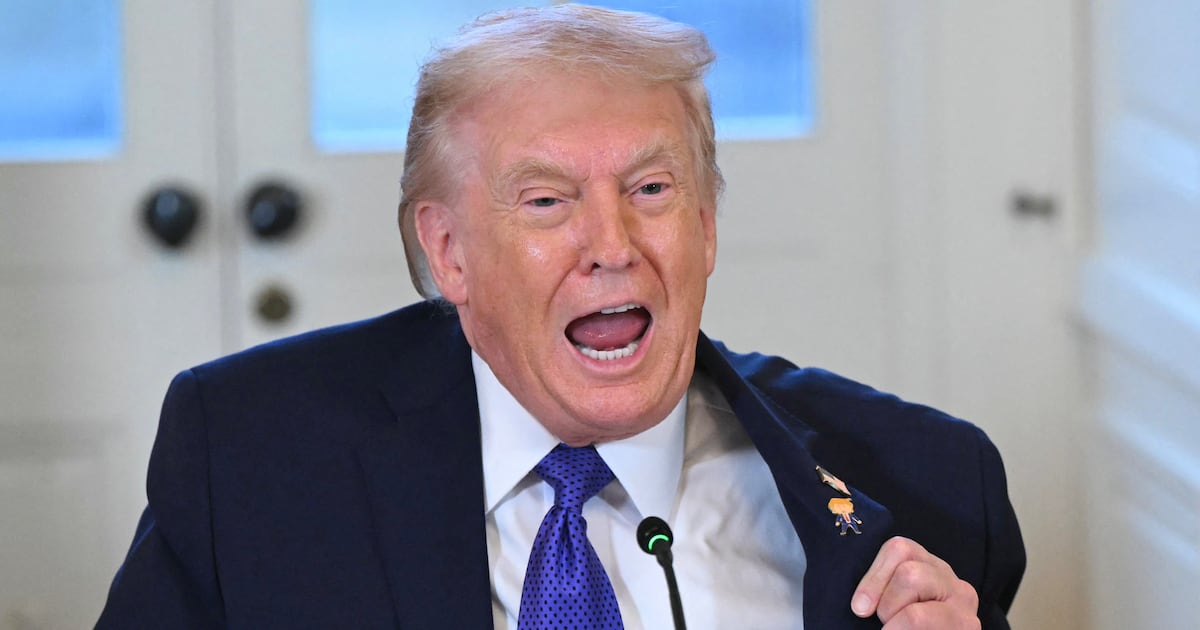
Trump, 79, Explodes at GOP Senator in Profanity-Filled Call

 Western Journal
Trump Says 5 GOP Senators Who Sided with Dems to Advance War Powers Resolution 'Should Never Be Elected to Office Again'
 NBC News
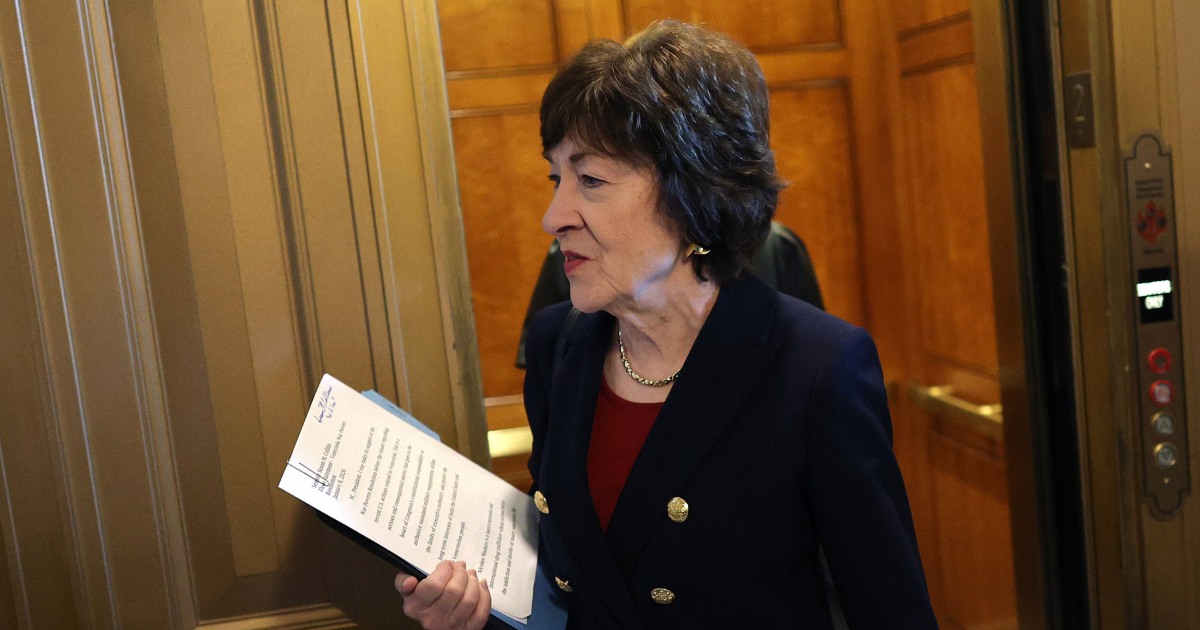
What the Senate's Venezuela vote does — and doesn't — mean: From the Politics Desk
 Salon
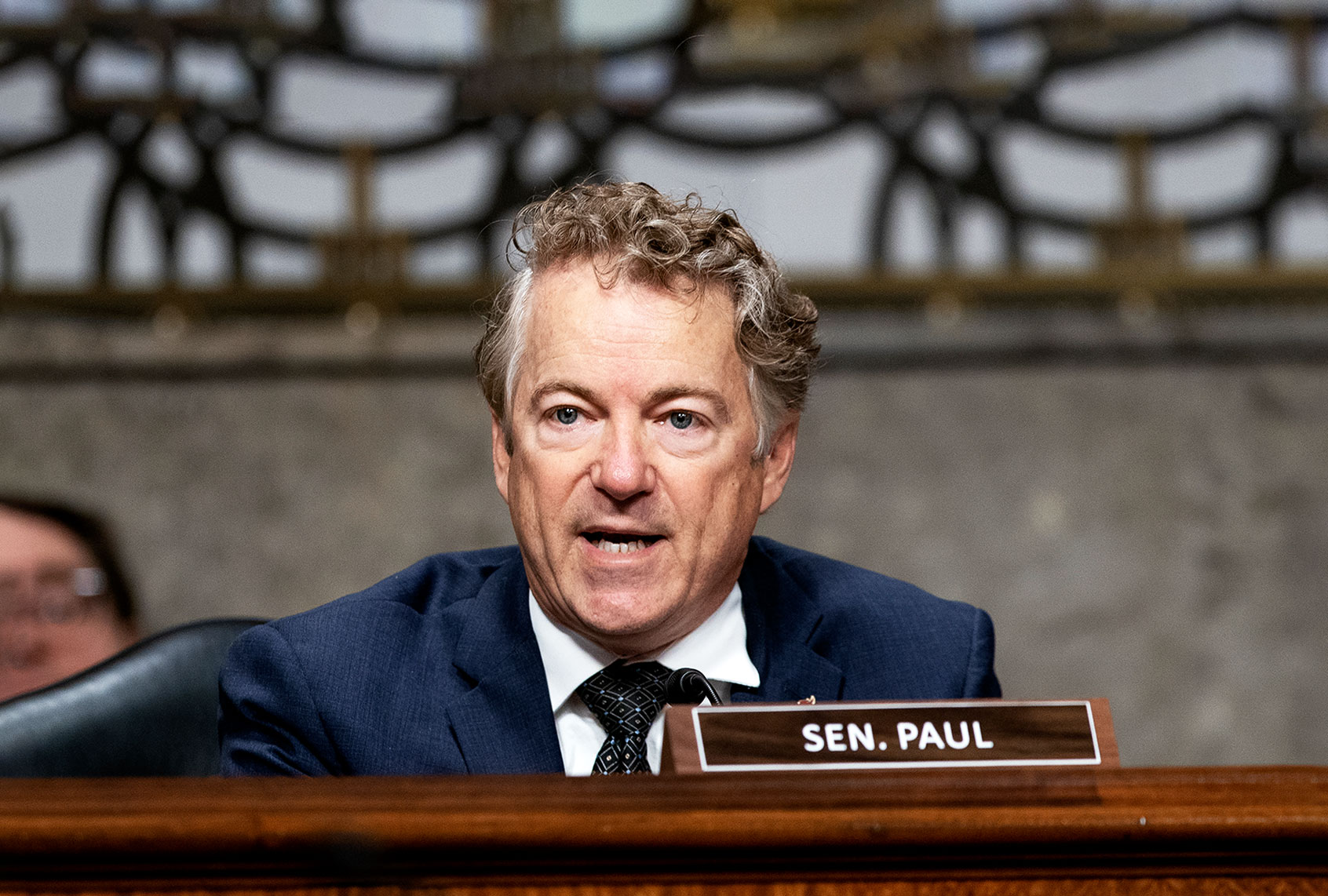
Salon"Enough is enough": Senate marches toward vote to limit Trump's war powers in Venezuela
Overview
President Donald Trump criticized five Republican senators after the Senate advanced a resolution aimed at limiting his authority to conduct further military operations against Venezuela.
The chamber advanced the measure by a 52 to 47 vote, with Democrats and five Republicans—Collins, Murkowski, Paul, Hawley, Young—supporting the procedural move.
The vote followed a U.S. raid that captured Venezuelan President Nicolás Maduro and concerns Trump intends an extended U.S. role managing Venezuela's government and oil resources.
The resolution, based on the War Powers Act, would require congressional authorization for future hostilities but faces slim chances to override an expected presidential veto.
Senate action is largely symbolic yet signals fracture within the GOP, raising stakes for vulnerable senators like Collins and highlighting Congress's limited appetite to reassert war-declaring powers.
Analysis
Center-leaning sources frame the story as congressional pushback against an expansionist, secretive presidency by using critical verbs ('seized', 'captured') and phrases about 'expanding ambitions,' foregrounding Republican unease and secrecy over the Venezuela raid, emphasizing oil motives, and structuring coverage to contrast legislative limits with presidential unilateralism. Direct quotes are presented as source content.
FAQ
The War Powers Resolution requires the president to obtain explicit congressional authorization for any future hostilities that amount to sustained or significant military engagement in Venezuela, beyond short-term or limited operations.
Republican senators such as Collins, Murkowski, Paul, Hawley, and Young supported advancing the War Powers measure because of concern about an open-ended U.S. role in managing Venezuela’s government and oil sector and skepticism about the breadth of presidential war powers without congressional approval.
U.S. forces conducted a special operation on January 3, 2026, that achieved rapid control over Venezuelan defenses and exfiltrated President Nicolás Maduro and his wife from Caracas, leading to his capture and transfer into U.S. custody.
President Trump has said the United States would temporarily “run” Venezuela during a transition and that U.S. efforts would involve strong involvement in Venezuela’s oil industry, including using Venezuelan oil revenues to support U.S. objectives and cover the costs of the operation.
The resolution is unlikely to stop U.S. involvement in the near term because it faces an expected presidential veto and there appear to be insufficient votes in Congress to override that veto, making the current action largely symbolic.