Trump Administration Officials Suggest Renee Good Could Be Labeled a 'Domestic Terrorist' After ICE Shooting
After an ICE officer shot and killed Renee Good in Minneapolis, White House border czar Tom Homan and other administration figures suggested her actions could fit the definition of domestic terrorism despite no public evidence supporting that claim.


Overview
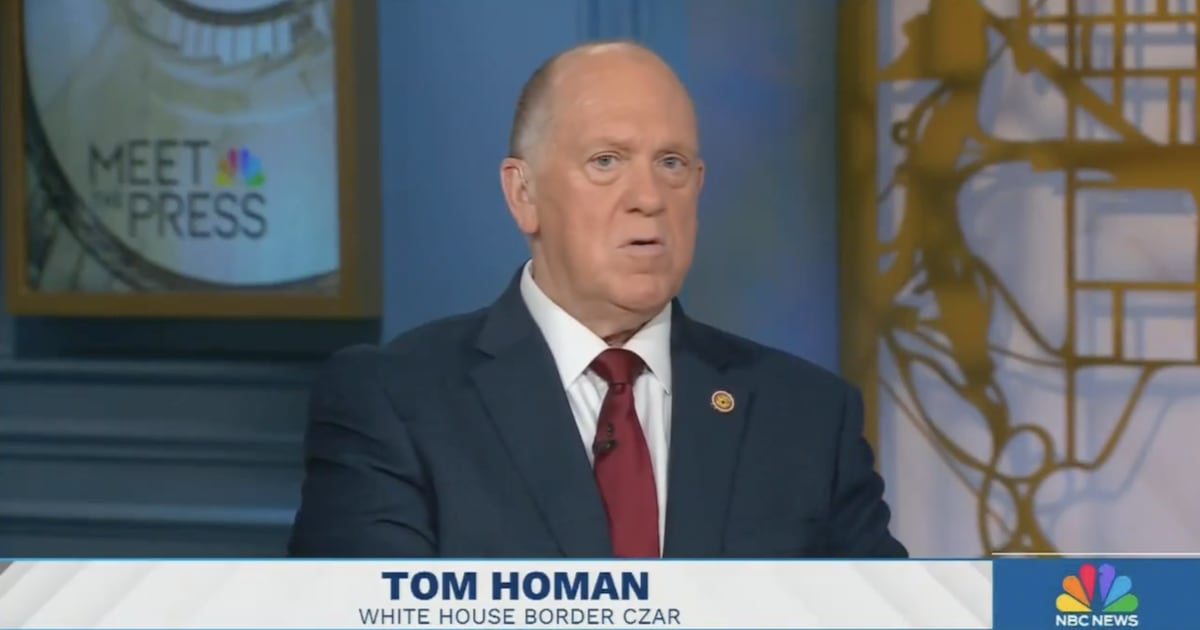
Tom Homan, White House border czar, said Renee Good's actions "could fall within" the definition of domestic terrorism, citing the dictionary rather than specific evidence.
Homeland Security Secretary Kristi Noem and other officials called Good's actions domestic terrorism and defended ICE agent Jonathan Ross's use of lethal force.
Video and eyewitness accounts raised questions about the administration's account that Good tried to run over an officer; some witnesses say she was already moving when shot.
Homan urged patience for the FBI-led investigation and said forensic evidence and additional footage might provide clearer answers.
Homan criticized local Minnesota policies as limiting federal enforcement and emphasized that interfering with federal officers is illegal and dangerous.
Analysis
Analysis unavailable for this viewpoint.
FAQ
Public evidence includes multiple bystander videos and a cellphone video believed to be filmed by ICE agent Jonathan Ross, showing officers ordering Renee Good out of her SUV, her vehicle beginning to move forward, and Ross firing several close‑range shots as the car moves past him before it crashes down the block.
Trump administration officials, including Tom Homan and Homeland Security Secretary Kristi Noem, have labeled Renee Good’s actions as domestic terrorism or as potentially fitting the definition, but they have cited general dictionary definitions rather than presenting specific public evidence that she intended terrorism, and state and local officials have rejected that characterization.[5]
State and local officials in Minneapolis have disputed federal claims that Good tried to run over officers, emphasized the need for an independent investigation, and are working with the Minnesota Bureau of Criminal Apprehension and the state attorney general to preserve and review evidence despite limited access to federal agents and materials held by the FBI.[2]
Renee Nicole Macklin Good was a 37‑year‑old U.S. citizen, a writer and poet who lived in Minneapolis with her wife and 6‑year‑old son from a previous marriage, and she also had two other children believed to live with extended family.[1]
Legal analysts note that Good’s family could potentially bring civil claims against the federal government and individual officers—such as excessive force or wrongful death—but such cases face significant hurdles because of sovereign immunity doctrines and the limited circumstances in which federal agents can be sued.[8]


