Trump Directs $200 Billion Mortgage Bond Purchases as Rates Drop Below 6%
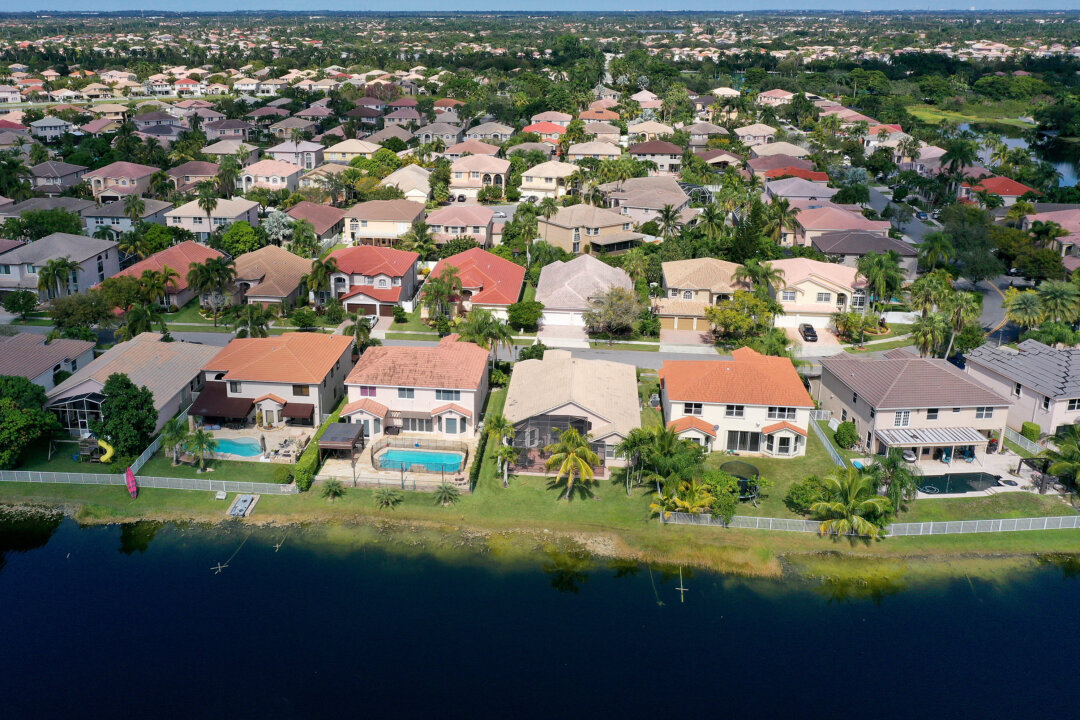
President Trump ordered $200 billion in mortgage bond purchases, prompting 30-year rates to fall below 6%, with officials saying the move aims to improve affordability.
 Epoch Times
Mortgage Rates Slip Below 6 Percent for First Time Since August 2022
 NBC News
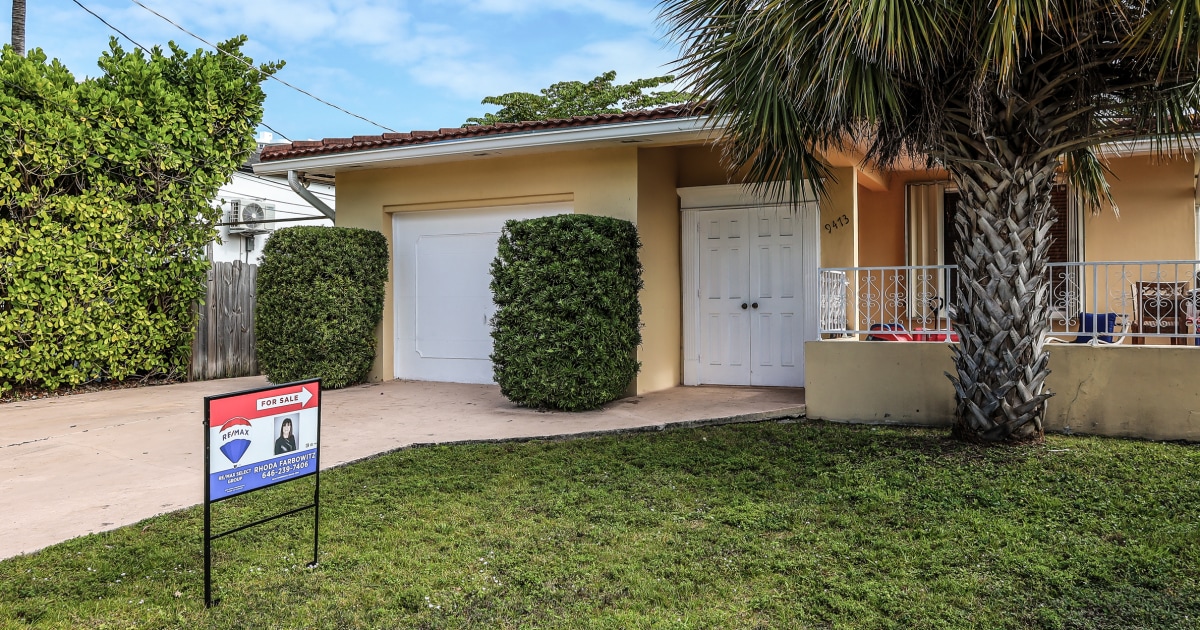
Mortgage rates just fell below 6% for the first time in years

 Semafor
Fannie, Freddie to buy US mortgage bonds, agency chief says
 CBS News
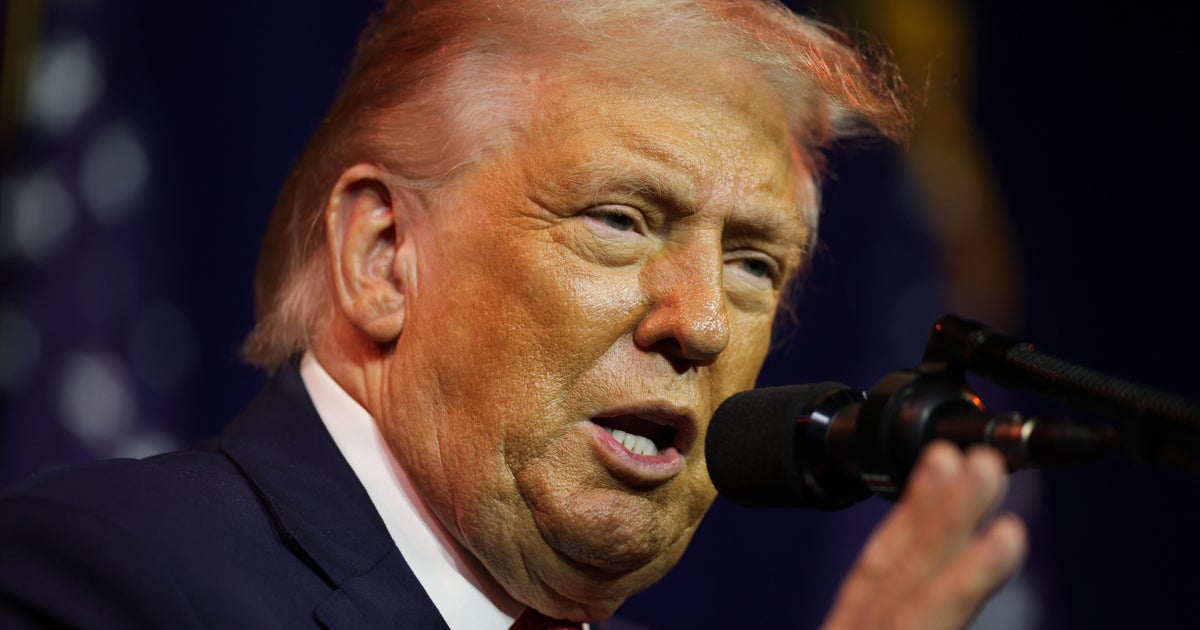
Trump says he wants government to buy $200 billion in mortgage bonds in a push to bring down mortgage rates
Overview
President Donald Trump instructed representatives to buy $200 billion in mortgage-backed securities, directing Fannie Mae and Freddie Mac to execute purchases as part of his administration's affordability push.
Mortgage rates dropped sharply: the 30-year fixed average hit 5.99% after the announcement, the lowest since February 2023; 15-year rates also fell to 5.55%.
Fannie and Freddie buy bonds from lenders, increasing available lending funds and lowering mortgage yields; they already hold over $230 billion in mortgage securities.
Analysts warn the purchase may offer temporary relief, risk inflating home prices, and represent a small share of the $14.5 trillion mortgage market, limiting long-term impact.
The move is part of the administration's broader pre-election affordability agenda, alongside proposed bans on institutional home purchases and other cost-cutting measures.
Analysis
Center-leaning sources present this report neutrally: they relay agency statements (Bill Pulte’s explanation of bond purchases), include the president’s Truth Social remark, and note the Fed governor’s caution about offsetting effects. Editorial choices favor factual context over evaluative language; references to a “2008-era debate” function as informative background, not partisan judgment.
FAQ
When Fannie Mae and Freddie Mac buy large amounts of mortgage-backed securities, they increase demand for those bonds, which pushes their yields down; because mortgage rates are closely tied to these yields, lenders can offer lower rates to borrowers, as seen when the 30-year average fell to about 5.99% after Trump’s directive.[1]
With rates around 5.99%, a buyer with a $3,000 monthly budget can now afford roughly a $479,750 home, up from about $466,000 one month earlier, and more than $30,000 higher than what they could afford when rates were closer to 6.8% six months ago.[1]
Economists say the program will likely provide only temporary relief because $200 billion is small relative to the roughly $14.5 trillion U.S. mortgage market, so it may not significantly change long-term pricing or structural affordability challenges.
Yes; by lowering borrowing costs and boosting purchasing power, the bond purchases can increase demand for homes faster than supply grows, which analysts warn could further inflate home prices despite the drop in rates.
The bond-buying plan is part of a broader pre-election affordability agenda that includes proposals like restricting large institutional investors from buying single-family homes and other cost-cutting measures intended to make ownership more attainable.