Legal Expert Says Minnesota, Illinois Anti‑ICE Lawsuits Unlikely to Succeed
Legal analyst Elie Honig says Minnesota and Illinois suits seeking to bar ICE operations lack precedent and face constitutional obstacles under the federal supremacy clause.
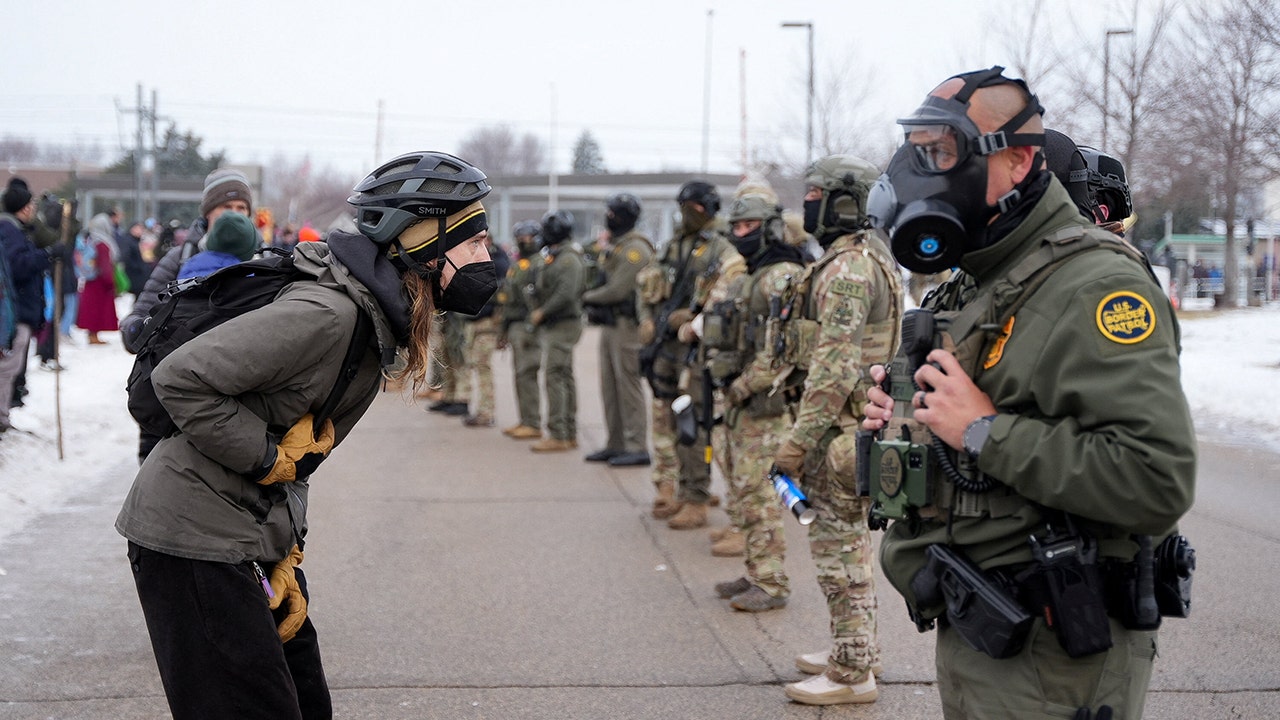
 FOX News
Minnesota lawsuit over Trump's ICE 'invasion' won't succeed: Legal expert
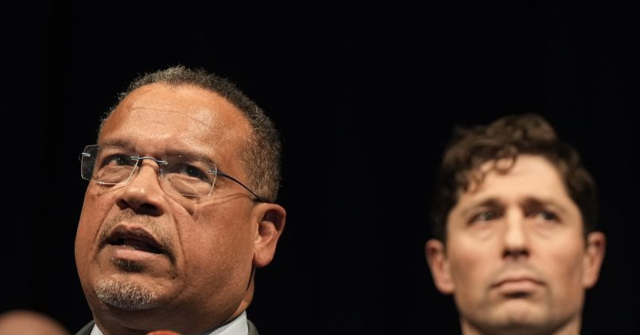
 Breitbart News
Democrat-Run Minnesota and Illinois File Lawsuits over Trump Immigration Officer Surge

 Daily Caller
CNN Legal Analyst Predicts Minnesota Democrats' Anti-ICE Suit Will Go Down In Flames
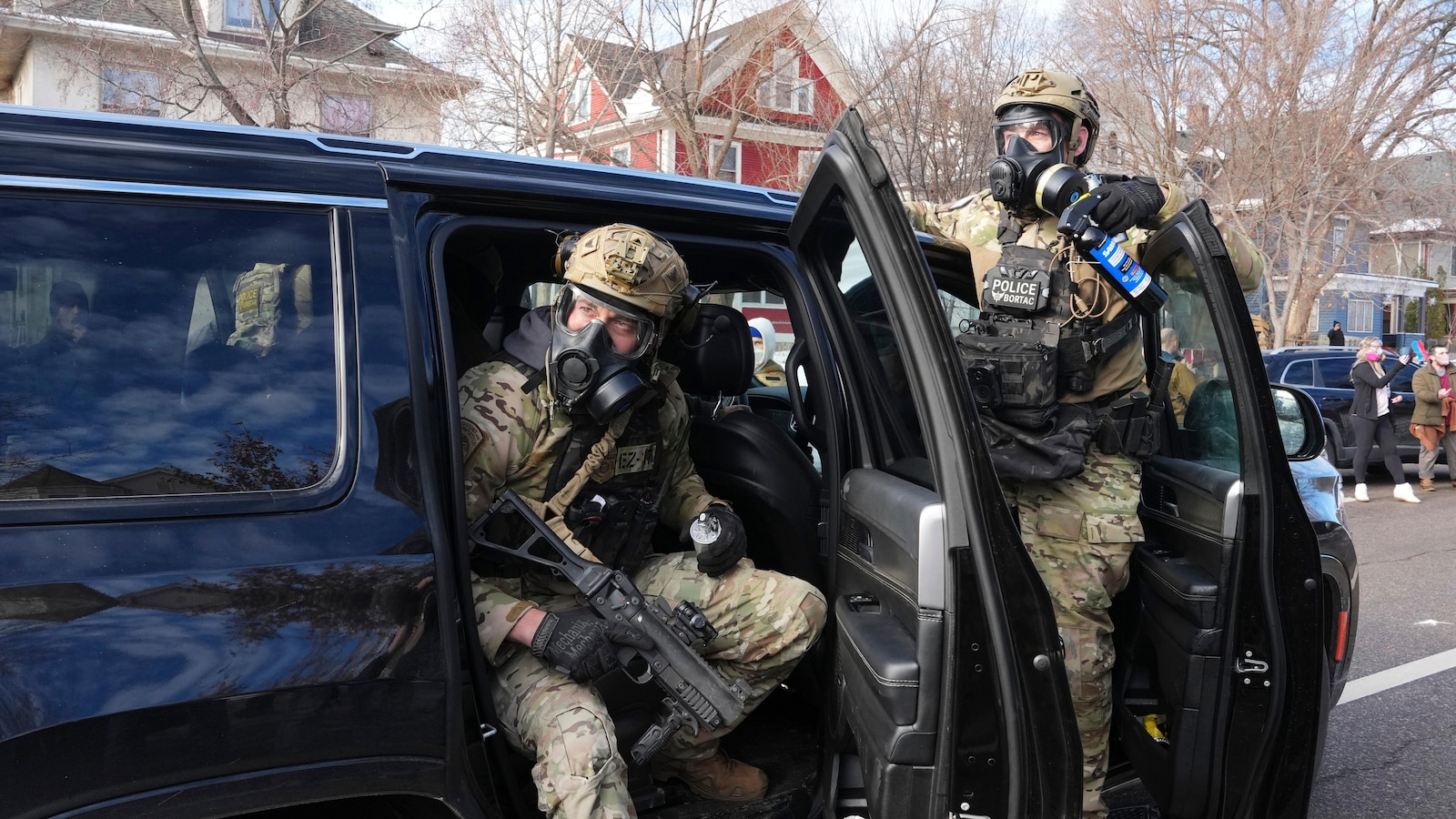
 ABC News
Tensions flare in Minnesota as protesters and federal agents repeatedly square off
Overview
Minnesota, Minneapolis and Saint Paul sued DHS, ICE and CBP seeking a temporary restraining order to stop Operation Metro Surge they describe as a 'federal invasion'.
The complaints allege warrantless arrests, use of chemical irritants, racial and viewpoint-based targeting, arrests in sensitive locations and excessive force during expanded federal enforcement.
The filings follow the Jan. 7 shooting of Renee Good by an ICE agent, which prompted nationwide protests, vigils and heightened scrutiny of federal tactics.
CNN legal analyst Elie Honig said the lawsuits lack legal precedent, likely conflict with the supremacy clause and amount to political statements rather than viable legal remedies.
Honig said judges may extract information about ICE training and practices or issue symbolic orders, but courts cannot constitutionally bar federal agencies from enforcing federal law within states.
Analysis
Center-leaning sources frame the coverage as a civil‑rights and community-impact story by foregrounding protests, vivid sensory detail (tear gas, gas clouds, scrubbed eyes), and legal responses while spotlighting local officials’ criticism. Editorial choices—quote selection, placement, and emphasis on civilian harms—downplay federal defenses to brief rebuttal snippets.
FAQ
The lawsuits allege warrantless arrests, use of chemical irritants like tear gas, racial and viewpoint-based targeting, arrests in sensitive locations, excessive force, trespassing, concealing license plates, and interference with local public safety efforts.
Honig argues the suits lack legal precedent for barring federal agencies from enforcing federal law in states, violate the federal supremacy clause, and are more political statements than viable legal remedies.
The lawsuits follow the January 7 fatal shooting of Renee Nicole Good by an ICE agent in Minneapolis, leading to protests, vigils, and heightened scrutiny of ICE tactics.
ICE surges have strained local law enforcement and emergency resources, forced school lockdowns and closures, caused businesses to close, and scared residents, according to state and city officials.
