Sheinbaum Rejects U.S. Military Intervention, Pledges Continued Security Cooperation with Trump
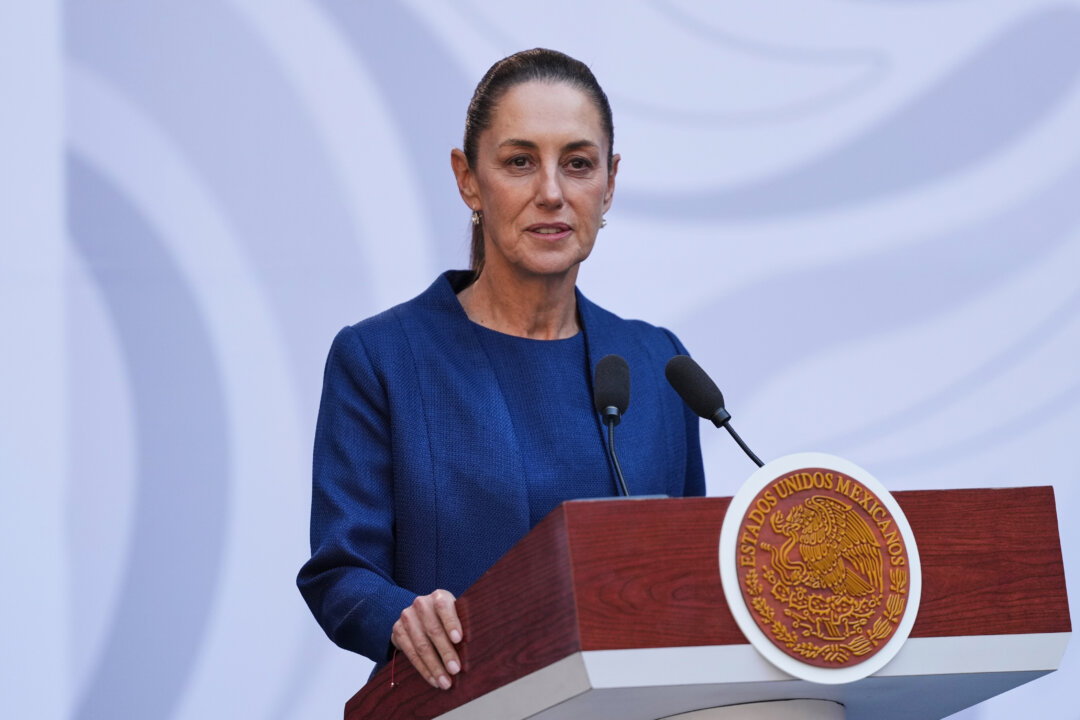
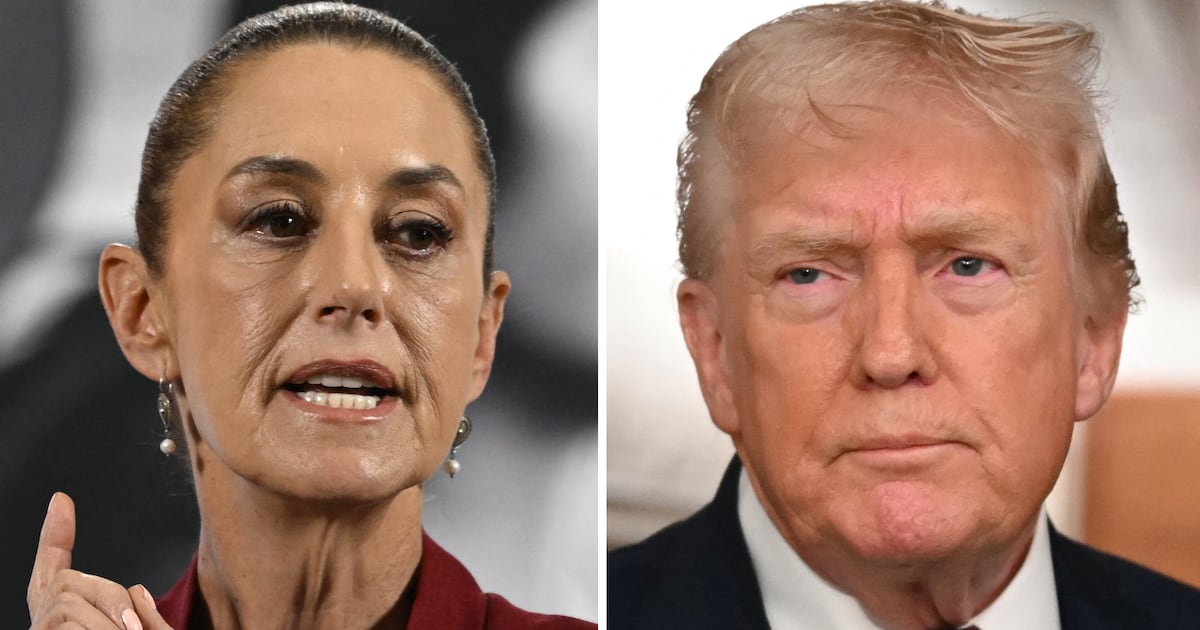
Claudia Sheinbaum told Donald Trump U.S. military action against cartels is unnecessary; both agreed to continue bilateral security cooperation while respecting Mexico's sovereignty and integrity.



Overview
Sheinbaum said a friendly, roughly 15-minute call with President Trump covered security, trade and investment; both agreed to continue cooperation while rejecting U.S. military intervention in Mexico.
Trump has repeatedly offered U.S. military action against cartels and cited Venezuela's removal of Maduro; Sheinbaum firmly rejected intervention, citing Mexico's constitution and sovereignty.
U.S. officials, including Secretary Rubio, requested 'tangible results.' Mexico reported falling homicides, decreased U.S. fentanyl seizures and reduced fentanyl overdose deaths as evidence.
Analysts say direct U.S. military involvement remains unlikely because Mexico complies and is an essential economic partner, but expect Trump's rhetoric to persist as pressure.
Sheinbaum posted on X emphasizing collaboration within mutual-respect framework, saying security efforts should occur in respective territories; the leaders did not discuss Cuba during the call.
Analysis
Center-leaning sources present the story neutrally, quoting both Sheinbaum and Trump and citing State Department and expert context without evaluative wording. Reporting balances viewpoints (Sheinbaum’s sovereignty stance, Trump’s intervention rhetoric) and supplies factual indicators (homicide drops, fentanyl seizures), while loaded language appears only within quoted source statements.
FAQ
Mexico reported a significant drop in homicides, falling U.S. fentanyl seizures, and reduced fentanyl overdose deaths as evidence of progress.
Trump uses the rhetoric to pressure Mexico for more action against cartels, expressing frustration over drug trafficking like fentanyl, while analysts see direct intervention as unlikely due to Mexico's compliance and economic ties.
Mexico extradited dozens of cartel leaders to the U.S. in 2025, reinforced border cooperation, and agreed to deepen collaboration on extraditions, asset forfeiture, and fuel-theft investigations.
Secretary of State Marco Rubio requested 'tangible results' and stronger cooperation from Mexico's Foreign Secretary to dismantle cartels and stop fentanyl and weapons trafficking.

