Treasury Targets Minnesota Fraud, Scrutinizes Somali-Linked Remittances
Treasury Secretary Scott Bessent announced investigations, enhanced reporting targeting Minnesota money service businesses amid allegations billions in welfare funds were diverted, possibly to Somalia-linked networks.

 Fox Business
Treasury Secretary Bessent vows to leave 'no stone unturned' in Minnesota fraud probe
 Associated Press
As tensions flare in Minnesota, Treasury Secretary Bessent pushes a crackdown on fraud
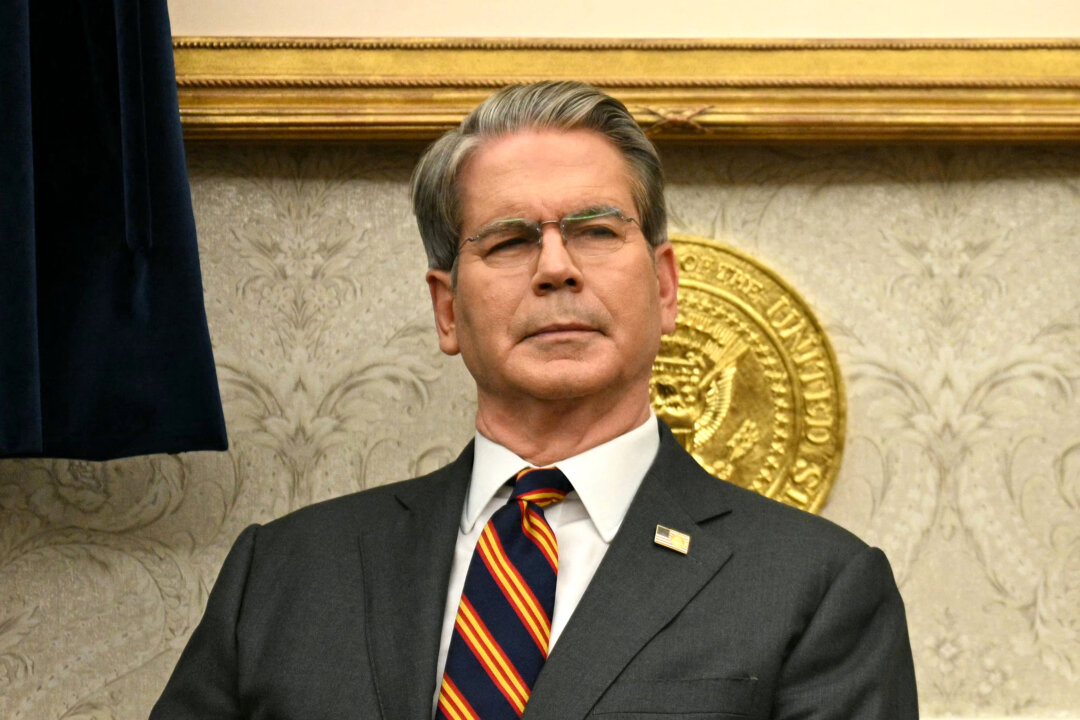
 Epoch Times
Treasury Targets Somali-Linked Fraud in Minnesota Amid Terrorist Financing Concerns
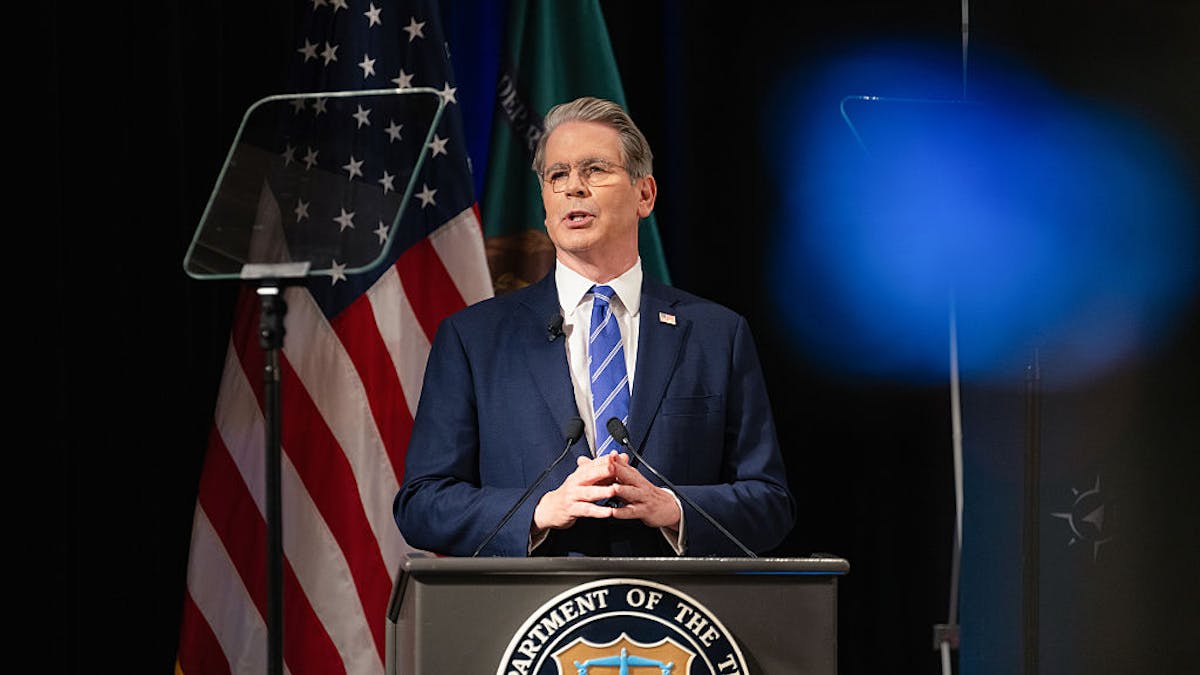
 The Daily Wire
Feds Flag Financial Institutions That May Have Sent Money To Somali Terrorist Org
Overview
Who/What: Treasury Secretary Scott Bessent unveiled investigations of at least four Minneapolis–St. Paul money service businesses and new IRS and FinCEN scrutiny over remittances linked to alleged welfare fraud.
Where/When: Actions focus on Hennepin and Ramsey counties during Bessent’s January visit to Minnesota, announced amid protests following an ICE officer’s fatal shooting and local-federal tensions.
How: Treasury issued a geographic targeting order, enhanced transaction reporting for international transfers, FinCEN probes, and alerts to banks to identify child nutrition and pandemic-aid fraud schemes.
Why: Officials cite an estimated multibillion-dollar fraud network—including the Feeding Our Future case—to recover taxpayer money, prevent funds flowing abroad, and disrupt possible terrorist financing.
Reactions: Some Somali leaders and state officials have protested increased scrutiny; critics warn of overreach and financial surveillance while Treasury vows broad enforcement and potential prosecutions.
Analysis
Center-leaning sources frame this coverage as a scrutiny-driven response tied to immigration politics, emphasizing federal targeting of Minnesota’s Somali community. Editorial framing appears in language choices ("crackdown," "targeted," "disparaging"), selection and sequencing (lead links Treasury actions to protests and an ICE shooting), and quote curation—using the Feeding Our Future fraud as justification while including critical voices and Somali leaders' concerns.
FAQ
The Treasury Department has issued a geographic targeting order for certain parts of Minnesota that requires money service businesses to provide enhanced reporting on international transfers, particularly those linked to suspected fraud in child nutrition, Medicaid, housing, and other welfare programs.[1][5] In addition, the IRS is auditing financial institutions that may have helped launder fraud proceeds and is forming a task force to investigate pandemic-era tax incentives and misuse of tax‑exempt nonprofit status connected to these schemes.[1] FinCEN has also sent an alert to financial institutions with red flags to help them detect and report fraud involving federal child nutrition programs.[1]
Federal and congressional investigators estimate that fraud in Minnesota’s social services system may total in the multibillion‑dollar range, with one House Oversight summary citing around $9 billion across various programs since 2018.[2][6] Key areas under scrutiny include pandemic-era school meal programs such as the Feeding Our Future case, where at least $250 million in fraudulent claims were alleged, as well as Medicaid-funded housing stabilization, autism services, and other child-care and social assistance programs.[3]
The Feeding Our Future case involves a nonprofit that claimed to partner with restaurants and caterers to serve federally funded school meals during the COVID‑19 pandemic but is accused of submitting fraudulent meal counts and invoices for food that was never provided.[3][5] Prosecutors say it became one of the largest pandemic aid frauds in the country, with roughly $250 million in alleged fraudulent claims and more than 70–75 defendants charged or convicted, making it a key example driving broader federal scrutiny of Minnesota’s welfare and nutrition programs.
Federal investigators and some lawmakers allege that a number of individuals involved in Minnesota fraud schemes come from the Somali community and that some proceeds may have been moved overseas through remittance channels, prompting closer review of money service businesses commonly used for such transfers.[2][3] A House Oversight summary notes that fraudsters, “many of whom are from Minnesota’s Somali community,” allegedly diverted funds intended for child nutrition, autism services, housing, and health care, including allegations that some money was funneled abroad, which has intensified federal attention on remittance flows while also sparking concerns in the Somali community about overreach and discrimination.[2]
Republican members of Congress and federal investigators have criticized Minnesota’s state leadership, arguing that Governor Tim Walz’s administration failed to stop large‑scale fraud and ignored or retaliated against whistleblowers, prompting hearings and oversight letters demanding accountability and reforms.[2][4] State officials, including Walz, have disputed the highest fraud estimates and moved to shut down or restructure some programs, such as a Medicaid-funded housing stabilization initiative, while local Somali leaders and civil-liberties advocates have raised concerns that heightened scrutiny of remittances and benefit programs could unfairly target immigrant communities and expand financial surveillance.[3][4]


