Business Leaders Split Over Trump’s Proposed 10% Credit-Card Interest Cap
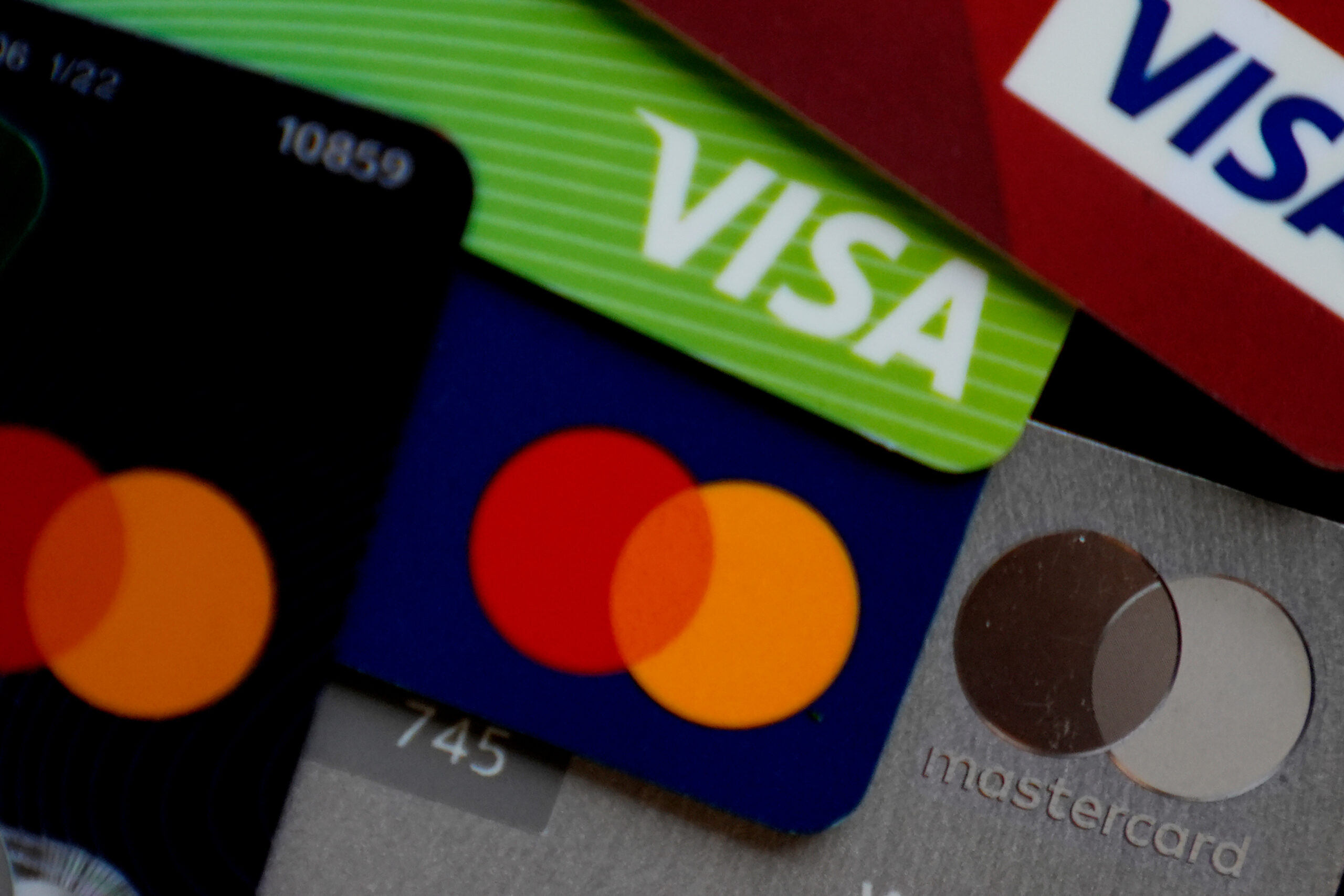
Corporate executives, banks and fintechs are divided over President Trump's one-year proposal capping credit card APRs at 10%, warning of reduced credit access and disruption.

 Reason
Trump vs. free markets
 Business Insider
How business leaders are responding to Trump's plan to cap credit card interest rates, from JPMorgan to Delta

 USA TODAY
Trump's credit card interest cap is bad for the economy | Opinion
 New York Sun
Trump’s Credit Card Interest Cap Gets Chilly Reception From Republicans in Congress
Overview
President Trump announced on Truth Social a one-year, 10% cap on credit-card interest starting Jan. 20; he urged compliance and warned of 'severe' consequences for noncompliant lenders.
Major banks including JPMorgan, Citi and UBS warned a 10% cap would make card lending unprofitable and could force reductions in accounts, rewards and access for higher-risk customers.
Klarna's CEO and fintech leaders praised the proposal as consumer-protective, arguing rewards favor wealthier cardholders and a cap could create openings for personal loans and alternative lenders.
Cap faces chilly reception on Capitol Hill; GOP leaders warn it would restrict credit, while Democrats including Warren back similar measures despite legal and implementation hurdles.
Economists say some cardholders could see short-term interest savings, but low-income and subprime borrowers risk losing access, potentially turning to payday lenders and increasing financial instability.
Analysis
Center-leaning sources frame the story as a risk-focused policy debate that balances consumer savings against potential losses of credit access, foregrounding industry and analyst warnings while presenting countervailing research. Coverage emphasizes economic consequences and operational challenges, positioning business leaders' concerns as central to evaluating the proposed rate cap.
FAQ
The average interest rate for credit cards in the U.S. is roughly 20%.[1]
Trump announced the cap via Truth Social, effective Jan. 20, urged compliance, and warned of 'severe' consequences or violation of the law for noncompliant lenders, but did not specify implementation details.
Major banks like JPMorgan, Citi, and UBS warn that a 10% cap would make card lending unprofitable, leading to reductions in accounts, rewards, and access for higher-risk customers.
Bills like S.381 (10 Percent Credit Card Interest Rate Cap Act, introduced by Sen. Sanders on 02/04/2025) and others have been referred to committees but have not advanced.
Some cardholders could see short-term interest savings, but low-income and subprime borrowers risk losing credit access, potentially turning to payday lenders; studies estimate 82-88% of people could lose access.
