Prosecutors Seek Death Penalty for Ousted President Yoon Over Martial Law 'Self-Coup'
Prosecutors asked for death penalty for ex-President Yoon Suk-yeol for a December 2024 martial law declaration, calling it an insurrection; court to rule Feb. 19.

 New York Post
South Korean prosecutor seeks death sentence for ex-leader Yoon over martial law decree
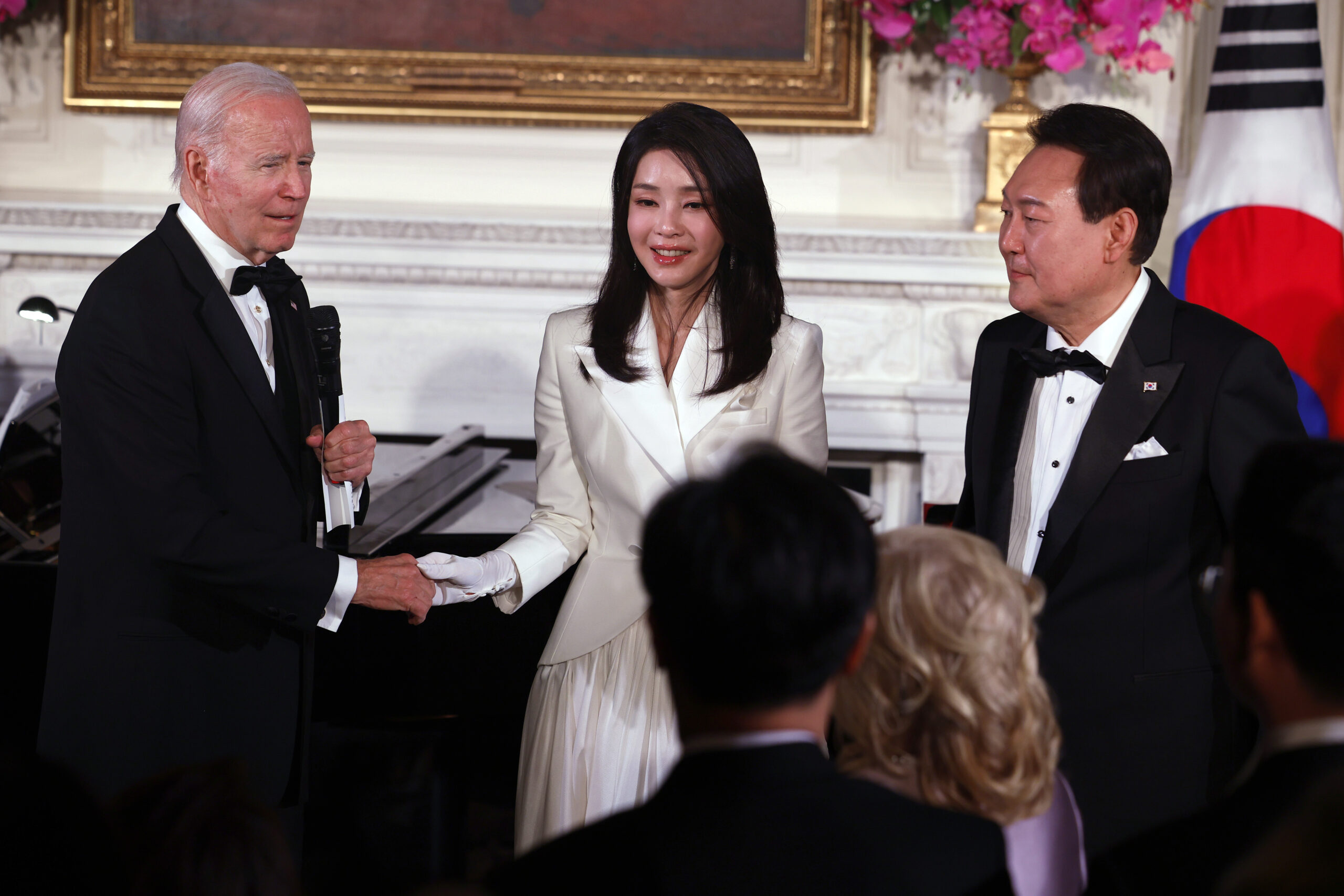
 New York Sun
Prosecutors Demand Death for Ousted South Korean President

 TIME Magazine
South Korean Prosecutors Seek Death Penalty for Ex-President
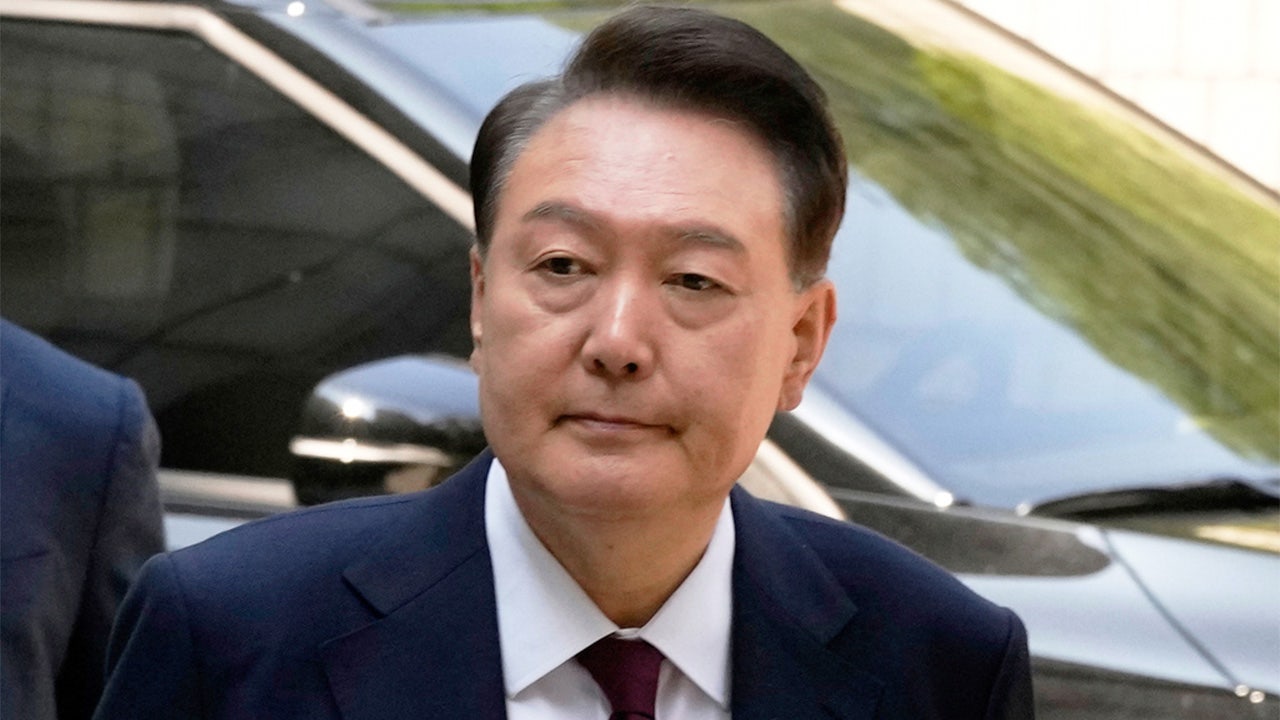
 FOX News
South Korean prosecutor seeks death penalty for ex-President Yoon over martial law declaration: 'Self-coup'
Overview
Prosecutors sought the death penalty at Seoul Central District Court during closing arguments, accusing Yoon of leading an insurrection through a six-hour martial law declaration on Dec. 3, 2024.
They said Yoon acted to monopolize power, collaborated with military and police to suspend the National Assembly and silence opponents and media, citing memos and witness testimony.
Yoon, smiling in court, denied wrongdoing in a 90-minute final statement, calling the probes politically driven and insisting the decree protected national sovereignty and public freedom.
The trial is one of eight criminal cases against Yoon, including accusations of ordering provocative drone flights over North Korea and manipulating an investigation into a marine's drowning.
Legal experts say death sentences are unlikely to be carried out in South Korea, predicting life imprisonment or commutation; the court will issue its verdict on Feb. 19.
Analysis
Center-leaning sources frame the story toward portraying Yoon as orchestrating a deliberate power grab by foregrounding prosecutors’ severe language (e.g., “self‑coup,” “lust for power”) and selected evidence (a memo suggesting “disposing” opponents). Editorial choices — headline emphasis on death-penalty requests, historical dictatorship comparisons, and expert expectations — prioritize a state-threat narrative despite including Yoon’s denials.
FAQ
President Yoon declared emergency martial law at 10:30 p.m. KST, citing threats from North Korean forces and anti-state activities by the opposition; it lasted six hours until lifted at 2:30 a.m. on December 4 after the National Assembly unanimously voted to reject it.
Prosecutors accused Yoon of leading an insurrection or rebellion through the martial law declaration, described as a 'self-coup' to monopolize power by suspending the National Assembly, silencing opponents, and collaborating with military and police.
Yoon denied wrongdoing, calling the investigations politically motivated and manipulated; he claimed the martial law was to protect national sovereignty, public freedom, and counter threats from the opposition Democratic Party blocking his agenda.
Legal experts predict a life sentence is more likely than death, as South Korea has not executed anyone since 1997; past cases like Chun Doo-hwan's death sentence were commuted to life and later pardoned.
The Seoul Central District Court will issue its verdict on February 19; this is one of eight criminal cases against Yoon, including drone flights over North Korea and manipulating a marine drowning investigation.
