Trump orders 25% tariff on countries doing business with Iran amid violent protests
President Trump ordered a 25% US tariff on any country doing business with Iran, amid harsh protest crackdowns; implementation and legal basis remain unclear globally.





Overview
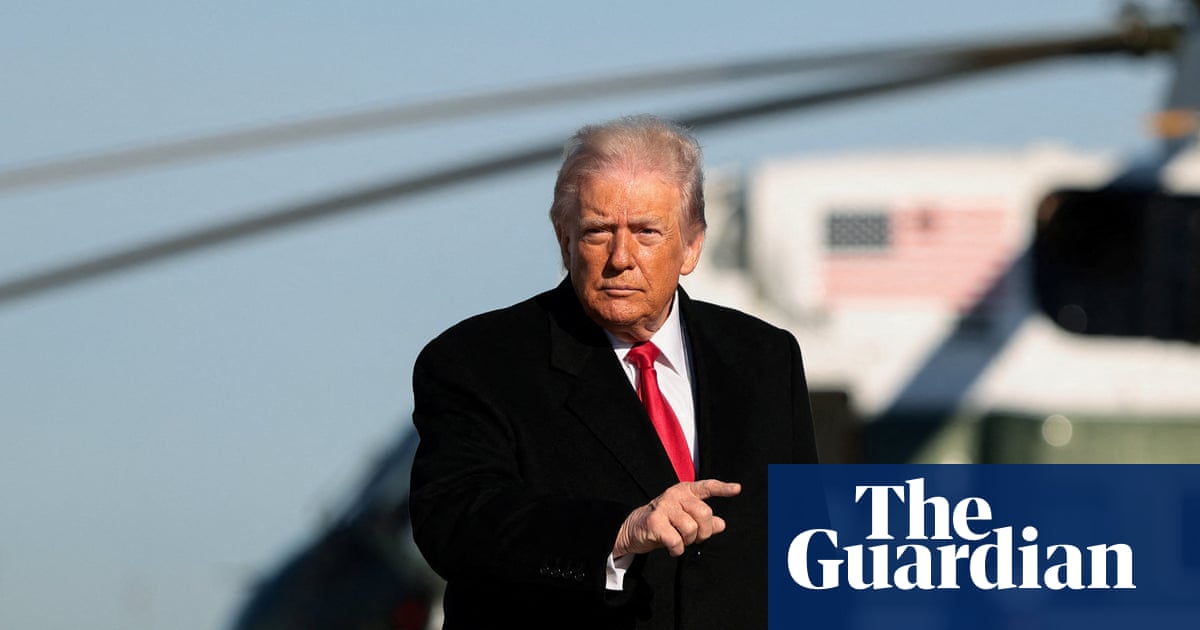
President Trump posted on Truth Social that a 25% tariff will apply 'effective immediately' to countries trading with Iran, but offered no legal authority, exemptions, or enforcement details.
China, Iraq, the UAE, Turkiye and India are Iran's largest trading partners, mostly buying fuel; China purchased over $14bn of Iranian goods in the year to October 2025.
It is unclear whether the 25% tariff would be additional to existing US duties, which laws would authorize it, or how Washington would track shadow shipping and yuan-denominated oil sales.
Beijing warned it would 'take all necessary measures' if targeted; analysts say a new tariff risks reigniting US-China tensions and could prompt retaliatory trade measures.
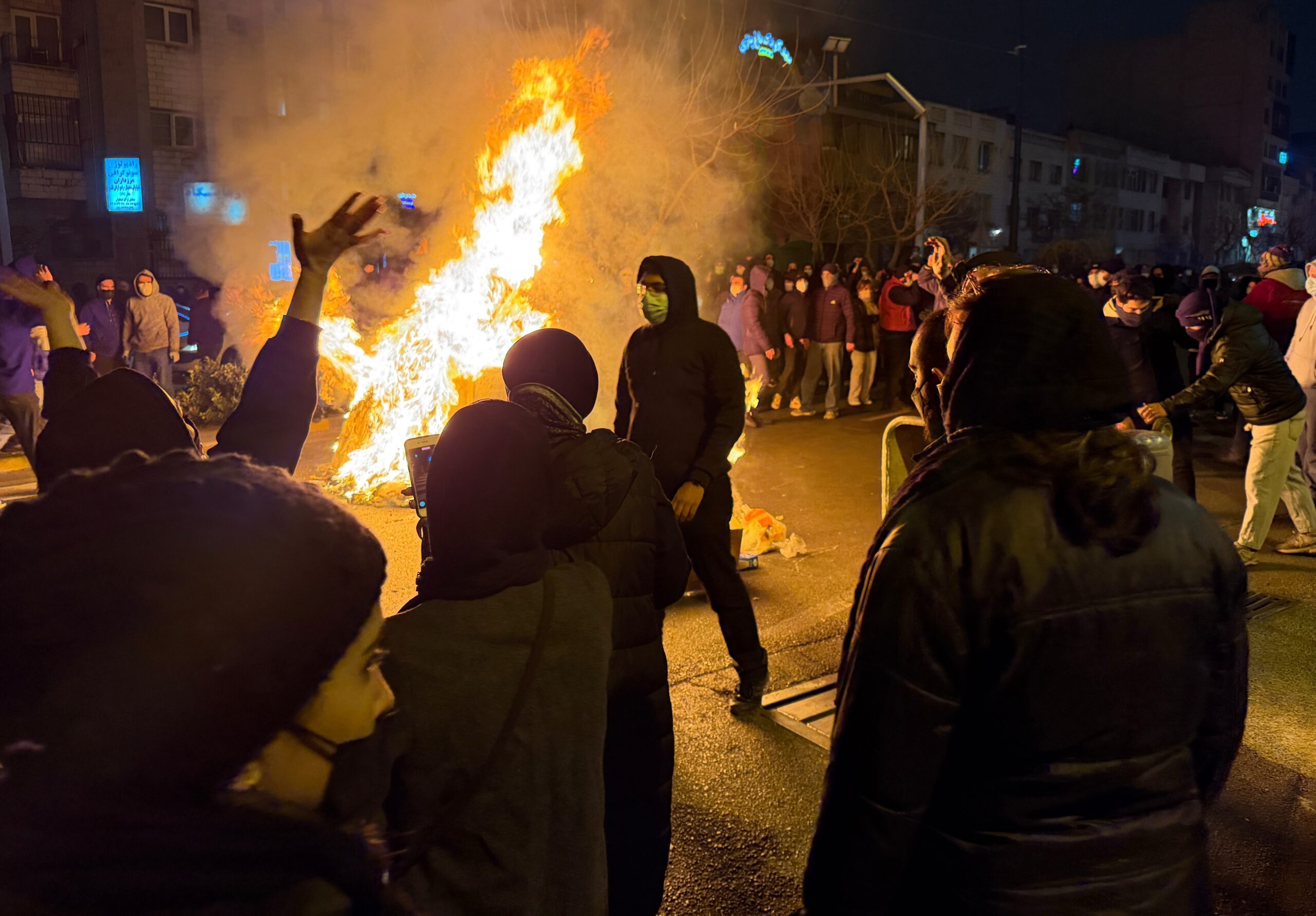
The move coincides with Iran's largest protests in years, internet blackouts and disputed death tolls; Trump urged demonstrators to continue and has kept military options on the table.
Analysis
Center-leaning sources frame the story as an aggressive, uncertain U.S. escalation—emphasizing legal/practical hurdles, geopolitical fallout with China, and Iran's protest crackdown. Editorial choices highlight Trump’s dramatic language and sparse detail (quoting “effective immediately”), while direct quotes about options or protests are treated as source content rather than editorializing.
FAQ
China, Iraq, the UAE, Turkiye, and India are Iran's largest trading partners, primarily buying fuel, with China purchasing over $14 billion of Iranian goods in the year to October 2025.
President Trump posted on Truth Social: 'Any Country doing business with the Islamic Republic of Iran will pay a Tariff of 25% on any and all business being done with the United States of America. This Order is final and conclusive,' effective immediately.
Unclear aspects include the legal authority, whether it's additional to existing duties, exemptions, enforcement details, and tracking of shadow shipping and yuan-denominated oil sales.


