Quebec Premier François Legault Resigns as CAQ Faces Electoral Uncertainty
Quebec Premier François Legault announced resignation as CAQ leader, citing low popularity; he will remain until a successor is chosen ahead of the fall election.



Overview
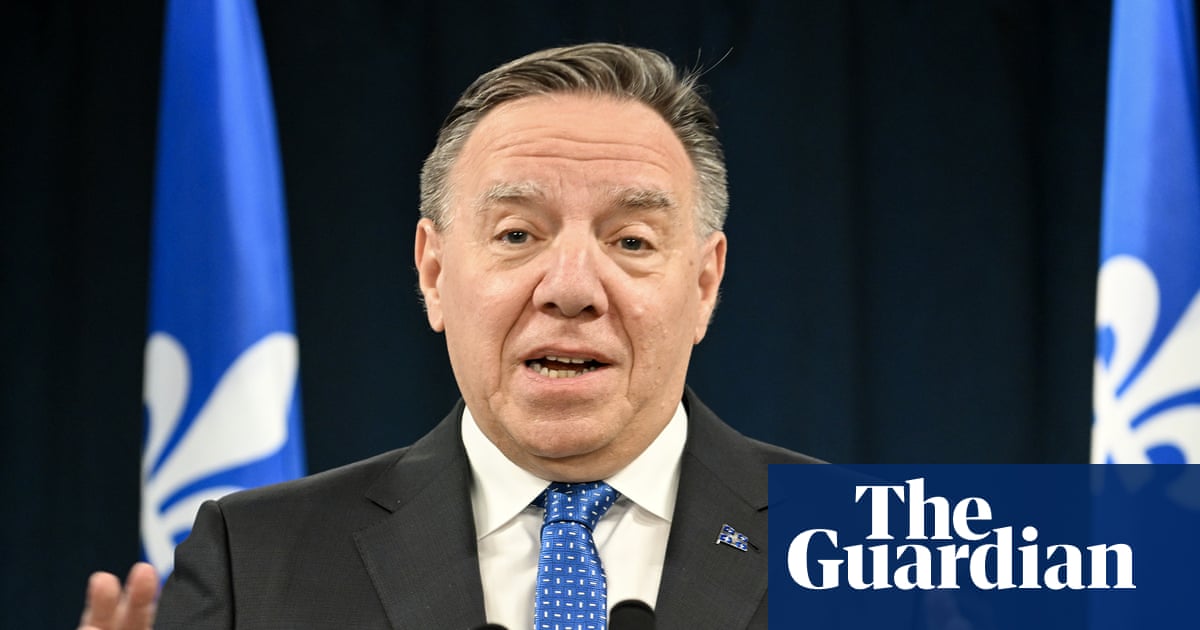
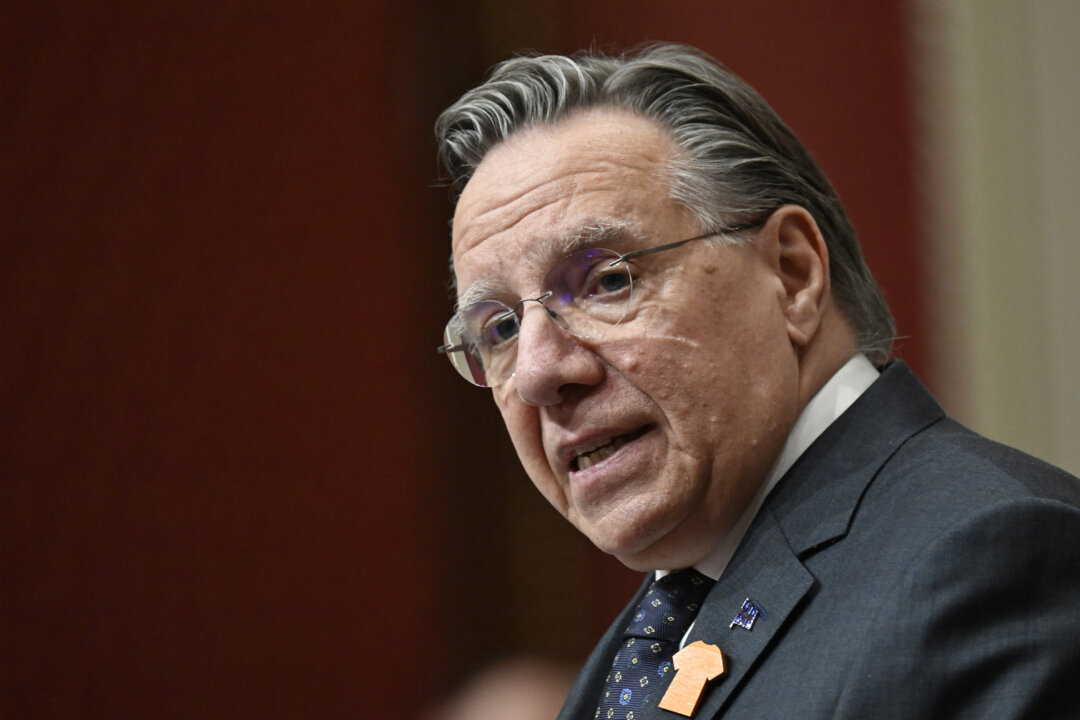
François Legault, founder and premier since 2018, announced his resignation Jan. 14 in Quebec City, saying many Quebecers want a change in leadership.
Legault will stay in office until the CAQ selects a new leader; the party must choose a replacement before the scheduled fall provincial election in October.
The CAQ government has faced declining popularity amid controversies: healthcare payment reforms, costly IT modernization failures, ministerial resignations, and secularism and language policies.
Polling shows the Parti Québécois leading while the Liberals also search for new leadership; analysts warn the CAQ could face significant losses in the upcoming election.
Legault framed the resignation as serving his party and province; his tenure emphasized Quebec autonomy, French-language protections, and frequent clashes with the federal government.
Analysis
Center-leaning sources frame the story by foregrounding Legault’s unpopularity and the electoral risk to federalist parties. Editorial choices—a declarative lead attributing resignation to unpopularity, prominence given to an academic’s critique, and juxtaposition with Parti Québécois gains and a Trump-linked warning—narrow the narrative toward political decline and electoral consequence.
FAQ
Legault resigned due to declining popularity of the CAQ, recognizing that many Quebecers wanted a change in leadership, amid controversies like healthcare reforms, IT failures, ministerial resignations, and by-election losses.
Legault announced his resignation on January 14, 2026, and will remain as premier and CAQ leader until a new leader is selected; the provincial election is scheduled for October 5, 2026.
Key issues include healthcare payment reforms (Bill 2) causing doctor protests, costly IT modernization failures at SAAQ (over $500 million overrun), botched Northvolt project, ministerial resignations like Christian Dubé and Lionel Carmant, and four consecutive by-election losses.
The CAQ won a majority in 2018 (74 seats) and a larger majority in 2022; Legault founded the party in 2011 after leaving the Parti Québécois.
Polls show the Parti Québécois leading, with the scandal-ridden Liberals also seeking new leadership; analysts predict significant losses for the CAQ.