Trump Signs Whole Milk for Healthy Kids Act, Reinstating Whole and 2% Milk in School Lunches
President Trump signed the Whole Milk for Healthy Kids Act, allowing whole and 2% milk in school lunches and expanding nondairy options; rollout may vary.
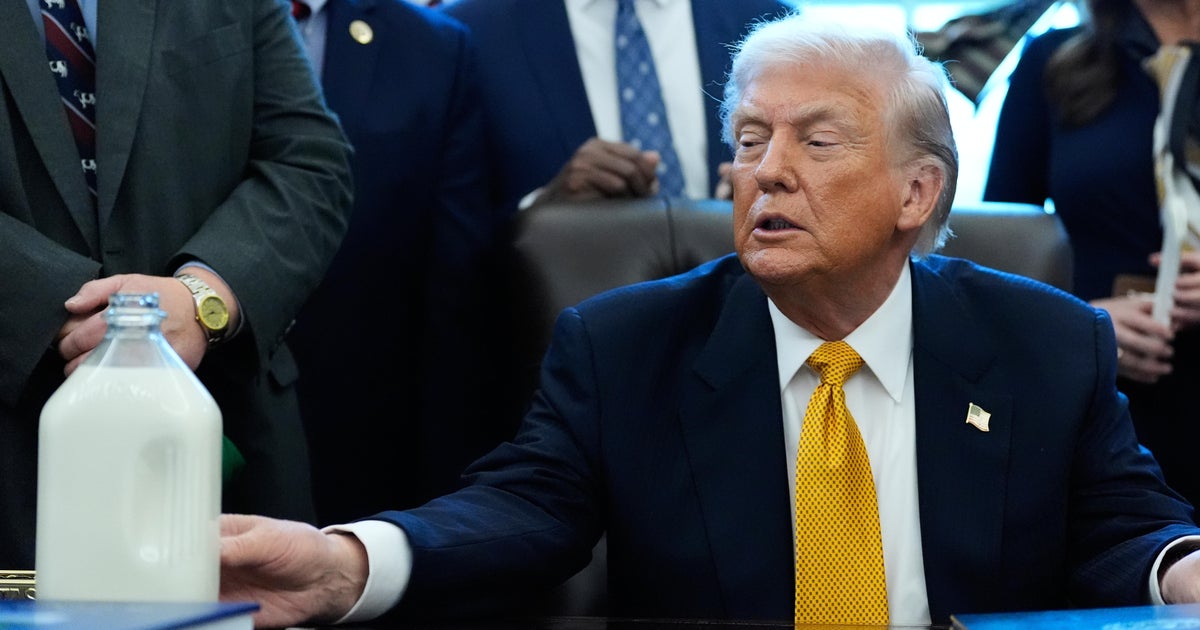

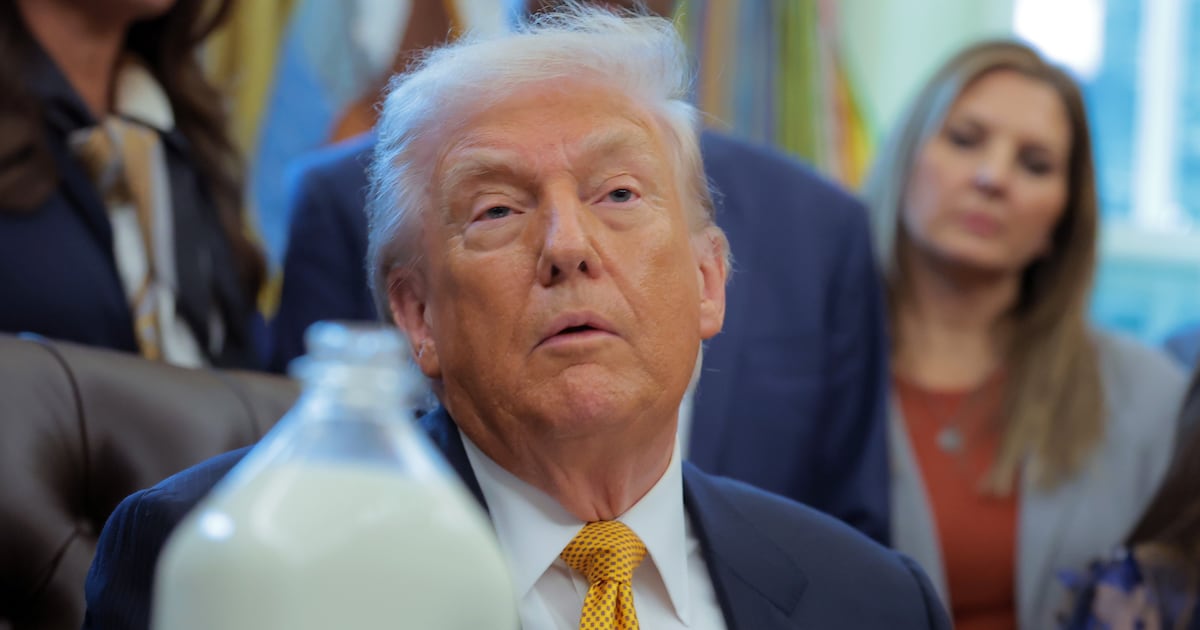


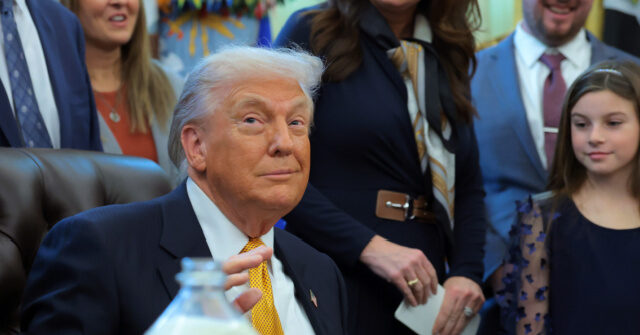

Overview
President Trump signed the Whole Milk for Healthy Kids Act at the White House, reversing Obama-era limits and allowing whole and 2% milk in National School Lunch Program cafeterias.
The law permits schools to offer flavored and unflavored whole, 2%, 1%, lactose-free and fortified nondairy milks, affecting roughly 30 million students nationwide when implemented.
Administration officials and dairy groups hailed the change as correcting past policy and restoring choice; HHS Secretary Kennedy and Agriculture Secretary Rollins promoted full-fat dairy benefits for children's development.
Nutrition experts remain divided: some cite studies suggesting whole milk may reduce obesity risk, while others and the American Heart Association warn lower-fat dairy supports heart health.
Schools must assess demand, adjust supply chains, and address costs; districts may delay rollout to negotiate pricing, while USDA guidance will define program rules and timing.
Analysis
Center-leaning sources frame the return of whole milk as a corrective policy win by privileging pro-milk voices (Trump’s “whole milk is a great thing,” dairy industry praise, Ag Dept “Drink Whole Milk” post) while giving limited space to independent critics; structural choices put supportive quotes up front and cite selective studies favorable to whole milk.
FAQ
The act permits schools in the National School Lunch Program to offer whole milk, 2% reduced-fat milk, 1% low-fat milk, fat-free milk, lactose-free milk, and nutritionally equivalent nondairy beverages, both flavored and unflavored.
President Trump signed the act into law on January 14, 2026, and it took effect immediately for the NSLP.[1]
It reverses Obama-era restrictions from the Healthy, Hunger-Free Kids Act of 2010, which limited school lunches to low-fat or fat-free milk.[3]
The International Dairy Foods Association celebrated the signing, calling it a win for children, parents, and school nutrition leaders, providing flexibility in milk options.[2]
Some experts cite studies suggesting whole milk may reduce obesity risk, while others, including the American Heart Association, recommend lower-fat dairy for heart health.[story]

