Supreme Court to Review 'Geofence' Cellphone Location Warrants
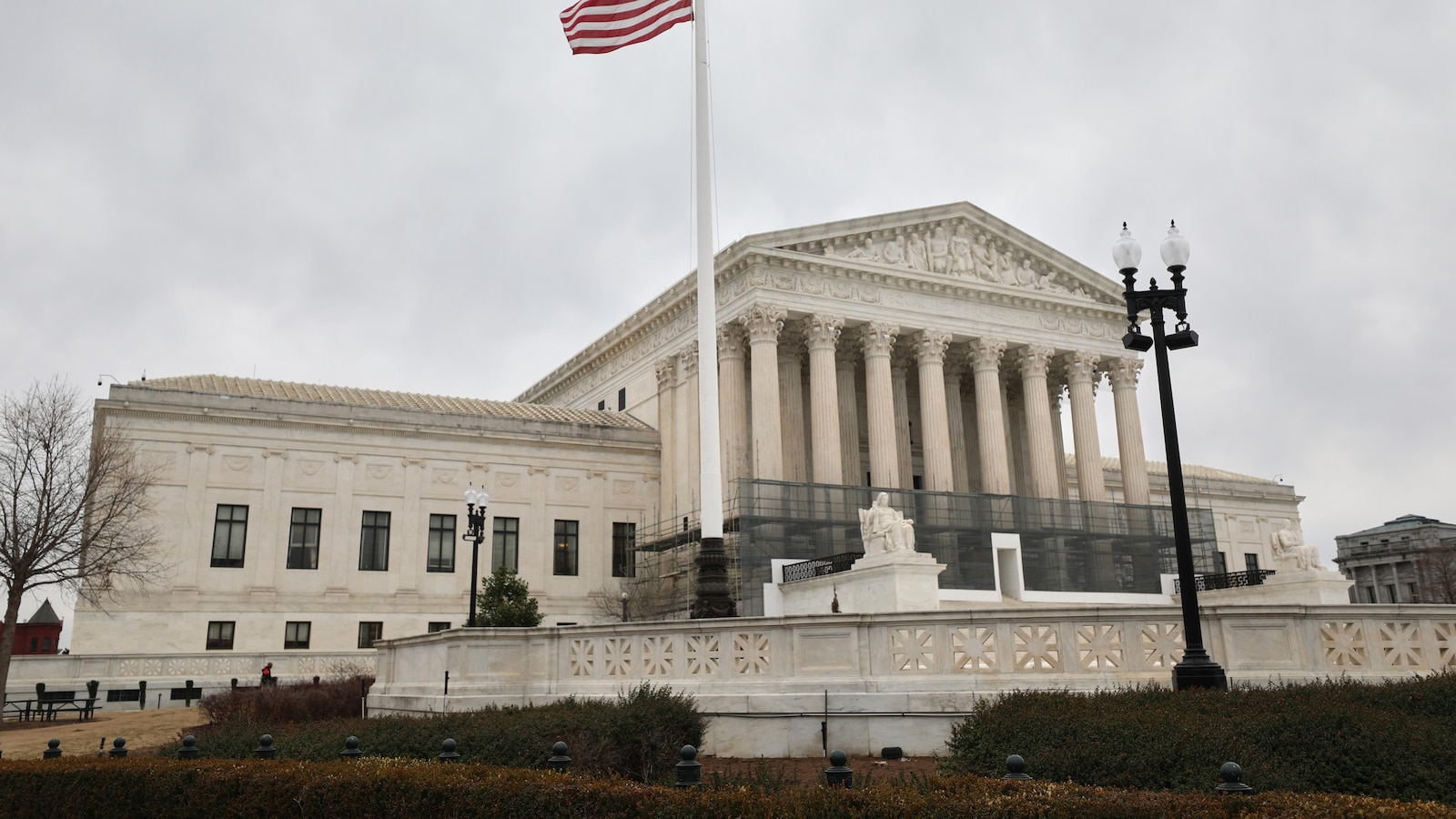
The Supreme Court will decide whether geofence warrants—police requests for broad cellphone location data used to find people near crime scenes—violate the Fourth Amendment rights.




Overview
The Court agreed to hear challenges to 'geofence' warrants after a Virginia case where police seized Google's location data to identify a 2019 bank robbery suspect, Okello Chatrie.
Police served a geofence warrant on Google seeking devices near the Call Federal Credit Union in Midlothian, Virginia, after the 2019 robbery; Chatrie later pleaded guilty.
Defense lawyers contend geofence warrants unlawfully collect location histories of innocent people; prosecutors say users opt into location services and thus lack a reasonable expectation of privacy.
A federal judge found the search violated rights but admitted evidence under the good-faith exception; appeals courts are split, with Richmond upholding the conviction and New Orleans finding warrants unconstitutional.
The Supreme Court will hear arguments likely this term; its decision could set national precedent on digital privacy, law enforcement practices, and tech companies' data cooperation.
Analysis
Center-leaning sources present this story neutrally, defining 'geofence warrants,' outlining the facts, and giving both privacy concerns (Chatrie's lawyers) and law-enforcement rationale (prosecutors). Coverage cites split court rulings and procedural history without evaluative language or omitted viewpoints, emphasizing legal stakes rather than advocacy, and relying on sourced case details.
FAQ
A geofence warrant is a court order directing tech companies like Google to provide location data for devices within a specific geographic area and time period to identify potential suspects near a crime scene.[1]
In 2019, Okello Chatrie robbed a credit union in Midlothian, Virginia. Police used a geofence warrant on Google to identify his device, leading to his arrest, guilty plea, and 12-year sentence.[1]
The 4th Circuit upheld Chatrie's conviction, finding no Fourth Amendment search or good-faith exception applies, while the 5th Circuit ruled them unconstitutional general warrants but allowed evidence under good faith.[1]
Defense argues geofence warrants violate the Fourth Amendment by collecting innocent people's data without particularity; prosecutors claim no privacy expectation since users opt into location services.
The ruling could set national precedent on geofence warrants' constitutionality, digital privacy, law enforcement data access, and tech companies' role.

