Pentagon Directs Stars and Stripes to Focus on Warfighting, Remove 'Woke Distractions'
The Pentagon ordered Stars and Stripes to concentrate on warfighting topics and drop 'woke distractions,' prompting concerns over the outlet's editorial independence and congressional protections.




Overview
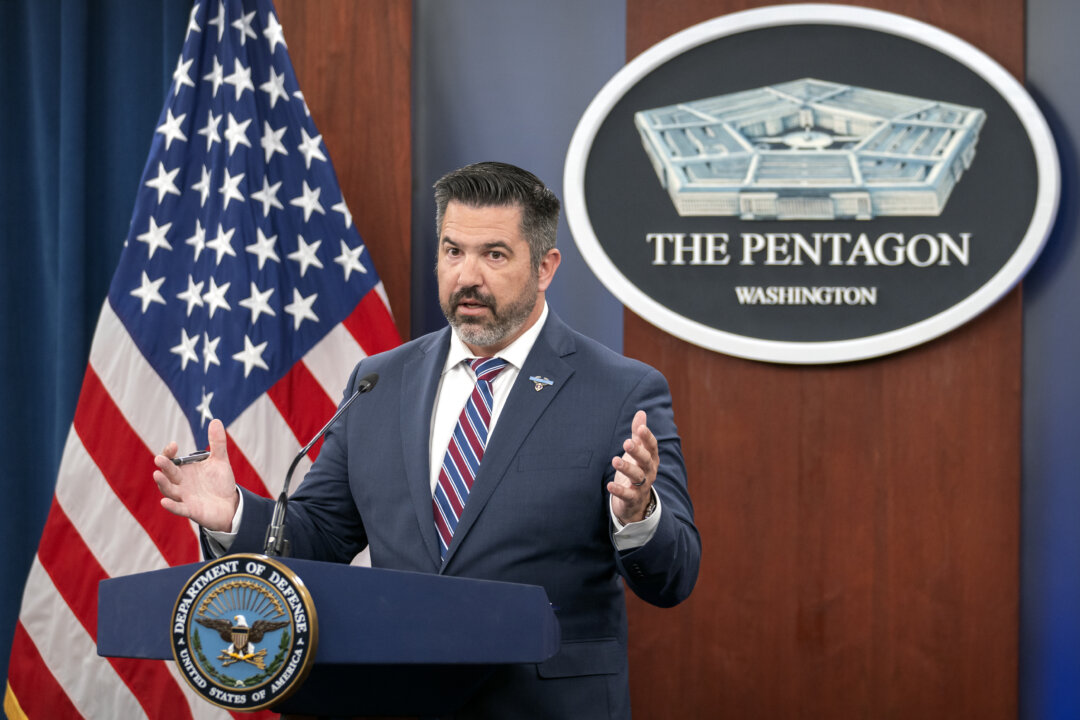
Pentagon spokesman Sean Parnell announced on X that Defense Secretary Pete Hegseth's office will refocus Stars and Stripes content toward warfighting, weapons, fitness and military affairs.
Pentagon said half the outlet's content would be generated by Defense Department personnel and it would no longer run Associated Press or Reuters material, per Parnell's post.
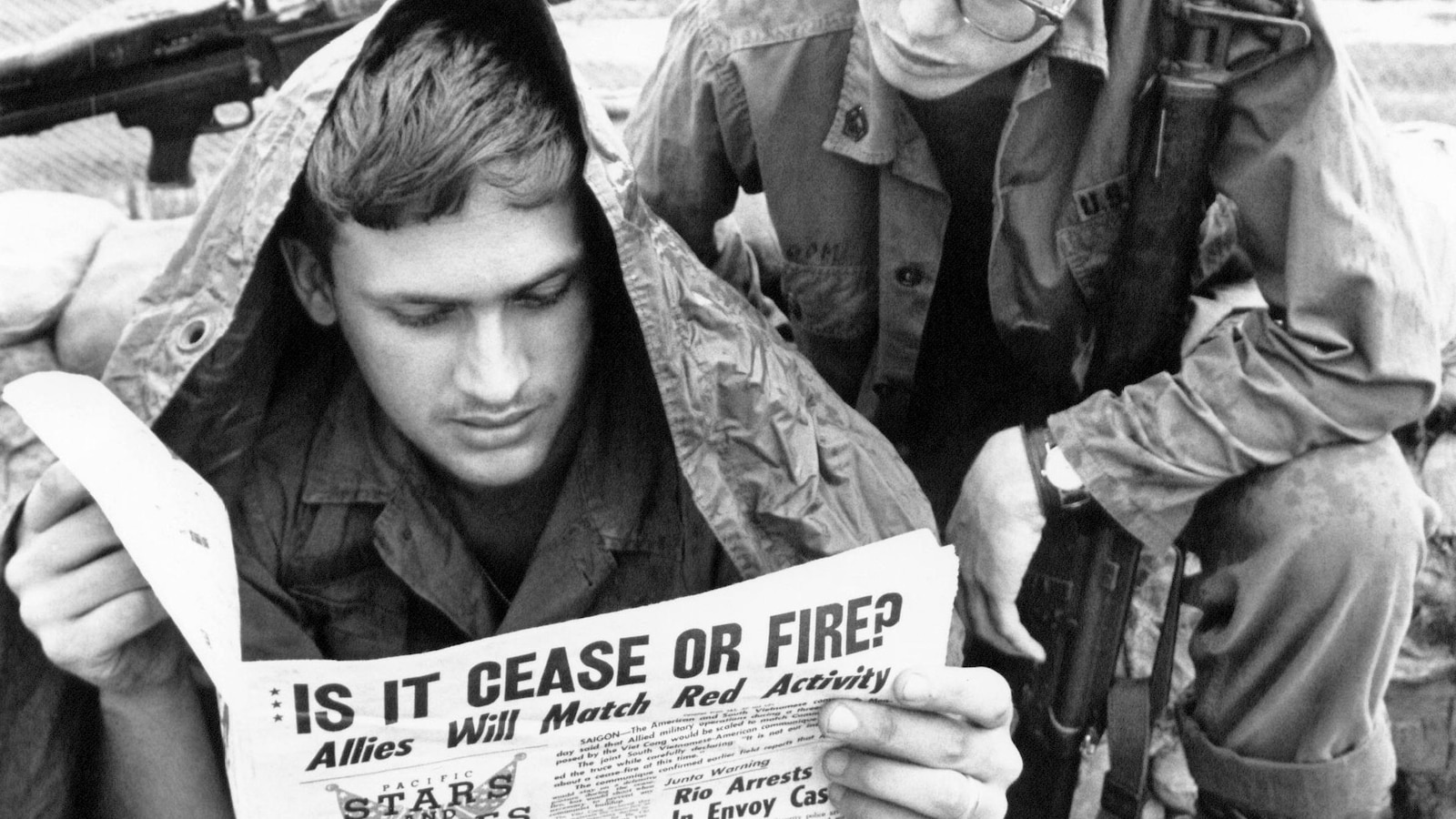
Stars and Stripes, with roots to the Civil War and funded partly by the Pentagon, has statutory editorial independence established by Congress in the 1990s.
Publisher Max Lederer and ombudsman Jacqueline Smith warned the changes could undermine credibility; Democrats and journalists raised concerns about editorial interference and potential loyalty tests.
The move follows prior administration actions limiting journalists at the Pentagon and sparked legal, congressional and public scrutiny over whether the department can alter Stars and Stripes' mandate.
Analysis
Center-leaning sources frame the Pentagon move as politicizing and threatening Stars and Stripes' editorial independence, foregrounding the outlet's First Amendment roots, quoting critics (ombudsman, The Washington Post) and juxtaposing Pentagon spokesman's 'woke distractions' line as source content. They stress vagueness in the administration's rationale and omit pro-change voices.
FAQ
Stars and Stripes is a historic military newspaper, originating during the Civil War, funded partly by the Pentagon but protected by Congress for editorial independence to provide unbiased news to service members.
The Pentagon plans to refocus content on warfighting, weapons, fitness, and military affairs, eliminate 'woke distractions,' generate half the content with Defense Department personnel, and stop using Associated Press or Reuters material.
Concerns include undermining editorial independence, statutory protections from Congress, credibility with troops, First Amendment rights, and potential propaganda, voiced by staff, ombudsman, Democrats, and journalists.
Pentagon spokesman Sean Parnell announced it; Editor-in-Chief Erik Slavin and Ombudsman Jacqueline Smith defended independence; Democratic Senators like Elizabeth Warren, Mark Kelly, Richard Blumenthal, and Tammy Duckworth criticized it.
Congress established editorial independence in the 1990s under First Amendment principles, despite Pentagon funding, allowing coverage of sensitive military issues without interference.

