Trump Endorses Letlow, Pressures Cassidy in Louisiana Senate Race
President Trump endorsed Rep. Julia Letlow for Senate, urging her to primary Sen. Bill Cassidy after his 2021 impeachment vote; Cassidy vows to run for reelection.
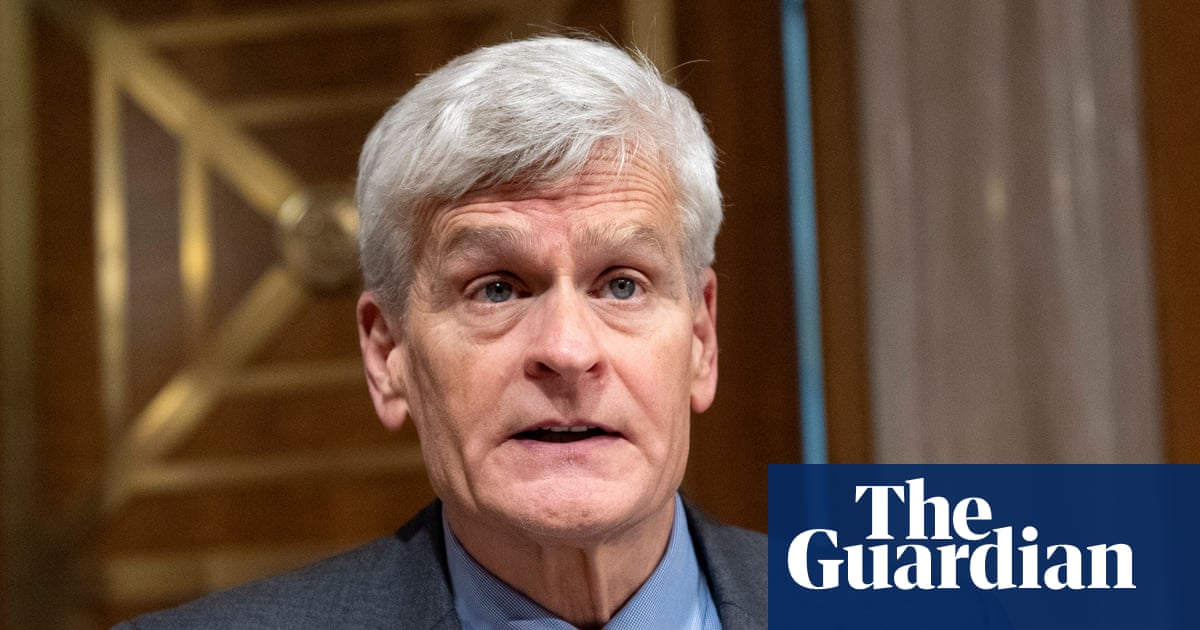
 The Guardian
Trump exacts revenge on Bill Cassidy by backing possible Republican challenger
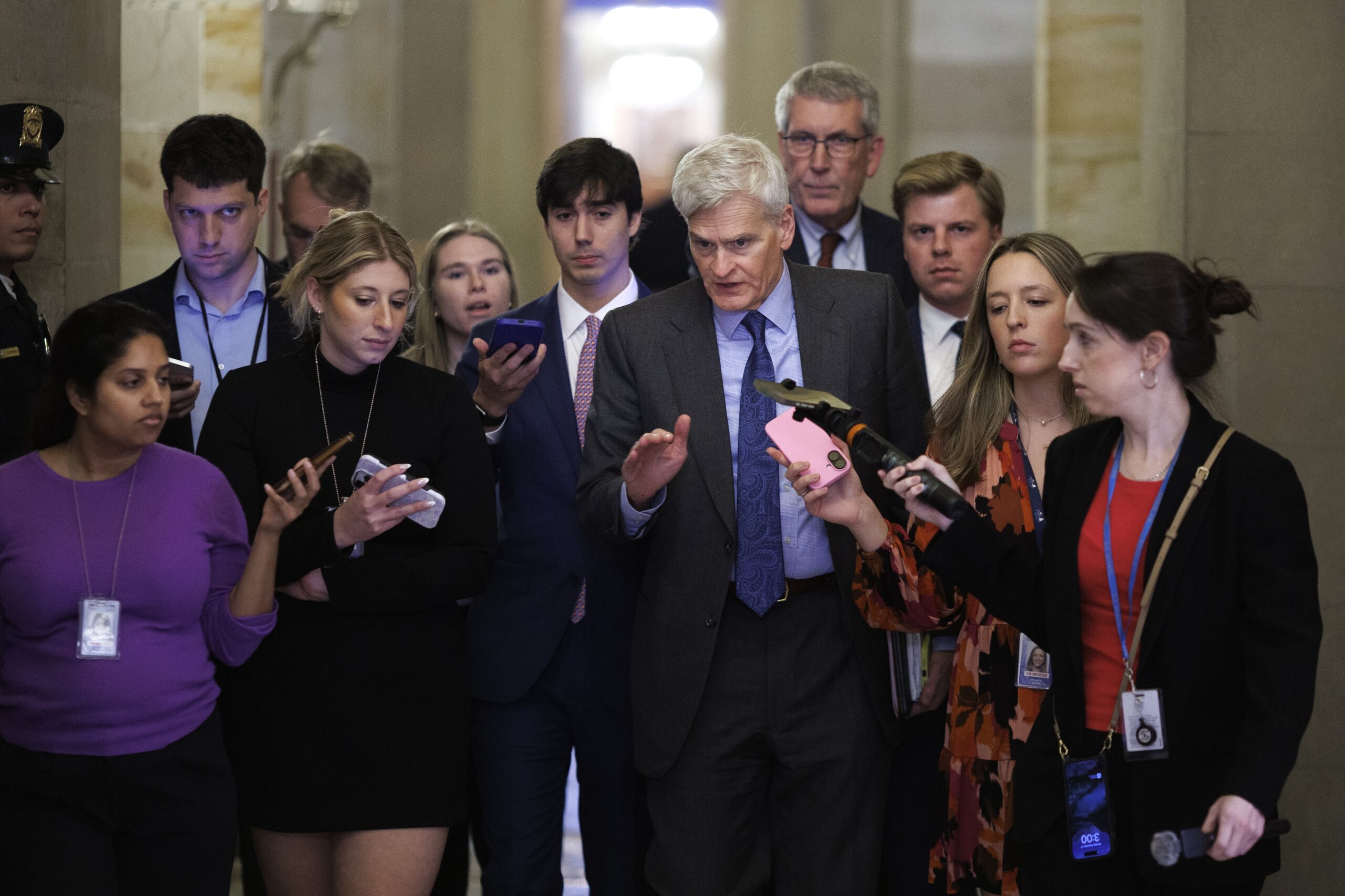
 New York Sun
Trump Rolls Out Late-Night Endorsements Against Political Enemies, Including Senate’s Health Committee Chairman

 Breitbart News
'Run, Julia, Run!': Trump Urges 'Total Winner' Letlow to Primary Cassidy
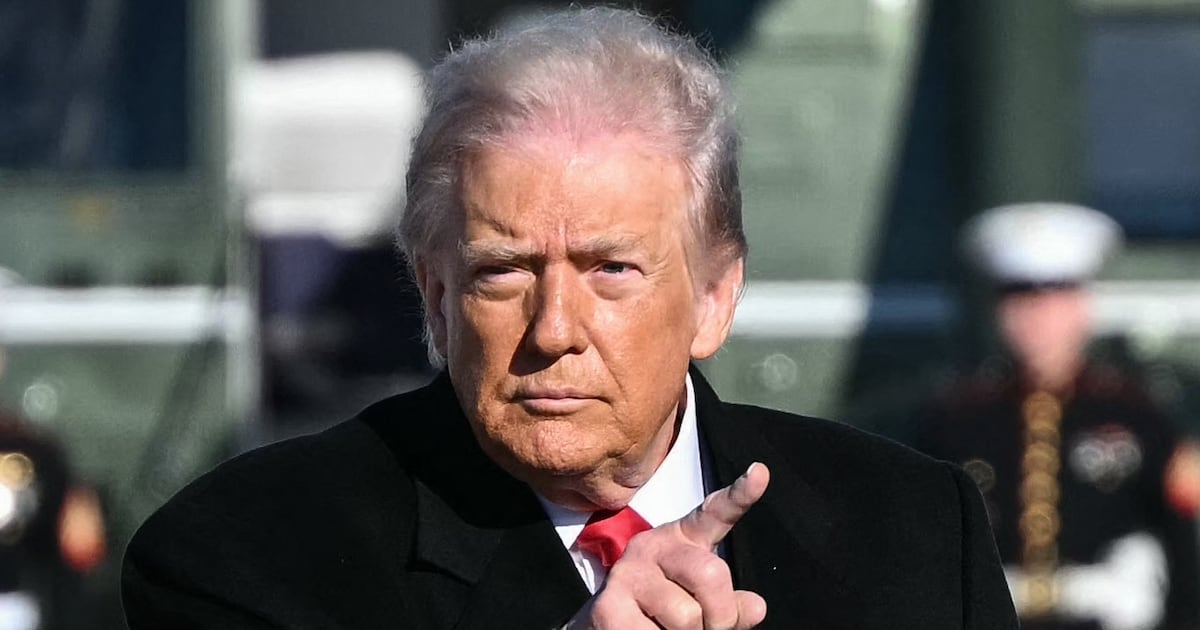
 Daily Beast
Trump Blindsides Republican Not Running With Endorsement in Race
Overview
President Trump publicly endorsed Rep. Julia Letlow and urged her to enter the Louisiana Senate primary against Sen. Bill Cassidy, targeting Cassidy over his 2021 impeachment conviction vote.
Letlow thanked Trump and embraced the endorsement though not yet declared, reportedly had conditioned a Senate bid on his support; she won her House seat in 2021's special election.
Cassidy said he's running for reelection, called himself a principled conservative confident of victory; he voted to convict Trump and later sought to mend ties with the president.
Candidates must file by Feb. 13; Louisiana's new closed-party primary system could force separate party runoffs, making Cassidy's path to the general election hinge on winning the Republican primary.
Trump's move is part of a broader pattern of endorsing challengers against perceived enemies; Senate leaders urged caution, signaling intra-party tensions ahead of midterm and 2026 contests.
Analysis
Center-leaning sources frame this as an intra‑GOP clash that elevates Trump’s influence and casts Sen. Cassidy as vulnerable for breaking with Trump. Editorial choices — opening with Trump’s endorsement, repeated emphasis on Cassidy’s impeachment vote and disputes over HHS/RFK Jr., and selective sequencing — foreground party‑loyalty tensions; quoted material remains source content.
FAQ
Trump endorsed Letlow to challenge Cassidy primarily due to Cassidy's 2021 vote to convict Trump in his second impeachment trial over the January 6 Capitol riot.
Letlow was first elected to the House in a 2021 special election after her husband Luke Letlow's death from COVID-19; she won full terms in 2022 and 2024 by large margins.
Cassidy affirmed he is running for re-election as a principled conservative and expressed confidence in winning if Letlow enters the race.
It will use closed-party primaries for the first time since 2010, following House Bill 17 in 2024, potentially requiring separate Republican and Democratic runoffs.