Trump Officials Push Regulatory Rollbacks to Lower Car Prices, De‑Emphasize EVs
Trump administration officials toured Midwestern auto plants, promoting rollbacks of Biden-era emissions and EV incentives to lower vehicle prices and favor consumer choice before midterms.
 Fox Business
Trump officials push for cheaper cars through regulatory rollbacks during Midwest tour

 PJ Media
Lower Prices, Fewer Illusions, and the Reality of the Auto Market

 The Daily Wire
Trump Admin Touts Push To Lower Car Prices, De-Emphasize EVs
 Newsmax
Trump Admin Pushes Lower Car Prices, Downplays EVs
Overview
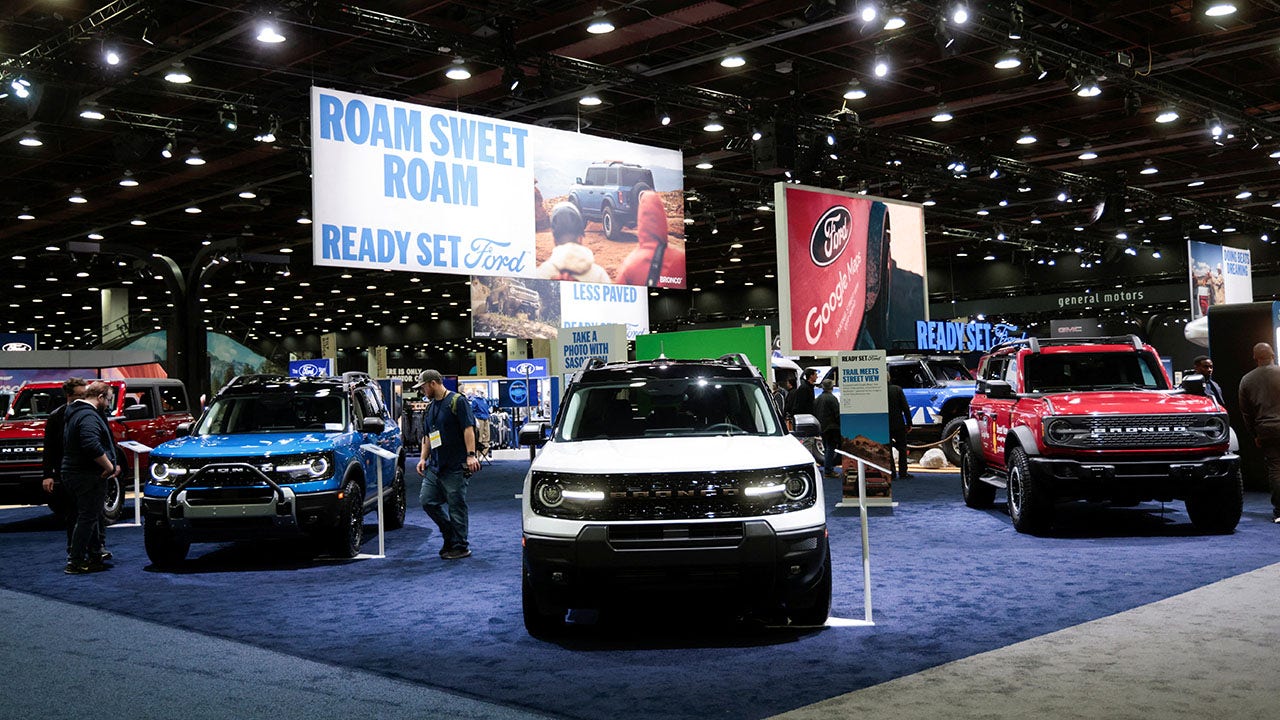
Transportation Secretary Sean Duffy, EPA head Lee Zeldin, and U.S. Trade Representative Jamieson Greer toured the Detroit Auto Show and Ohio plants during a two-day Midwest swing.
They promoted rolling back Biden-era vehicle emissions standards, rescinding California EV rules, eliminating the $7,500 EV tax credit, and canceling penalties for automakers not meeting fuel-efficiency targets.
Officials argued the rollbacks would lower up-front costs—USDOT estimated $930 average savings—and let automakers more widely sell combustion-engine vehicles Americans prefer.
Critics warn rollbacks increase fuel consumption—USDOT projects up to 100 billion more gallons through 2050 and up to $185 billion added fuel costs—raising environmental and consumer concerns.
Average new-car transaction prices hit a record $50,326 while U.S. vehicle sales rose 2.4%; administration cites downward price trends despite tariffs, critics say policies will hurt consumers.
Analysis
Analysis unavailable for this viewpoint.
FAQ
Rolling back Biden-era vehicle emissions standards, rescinding California EV rules, eliminating the $7,500 EV tax credit, and canceling penalties for automakers not meeting fuel-efficiency targets.
Transportation Secretary Sean Duffy, EPA head Lee Zeldin, and U.S. Trade Representative Jamieson Greer toured the Detroit Auto Show and Ohio plants.[1]
USDOT estimates an average savings of $930 per vehicle in up-front costs, with the new standards saving American families $109 billion overall.
Critics warn of increased fuel consumption up to 100 billion more gallons through 2050, $185 billion added fuel costs, and reduced availability of efficient vehicles, benefiting oil and automakers at consumers' and environment's expense.[3]
The proposed standards aim for a fleet average of 34.5 miles per gallon by model year 2031 for passenger cars and light trucks.[2]
