UK approves China’s 20,000sqm Royal Mint Court embassy despite security concerns
The UK approved China’s 20,000sqm Royal Mint Court embassy after security agencies endorsed mitigations, despite opposition, resident legal challenges, and concerns about nearby fibre-optic cables.
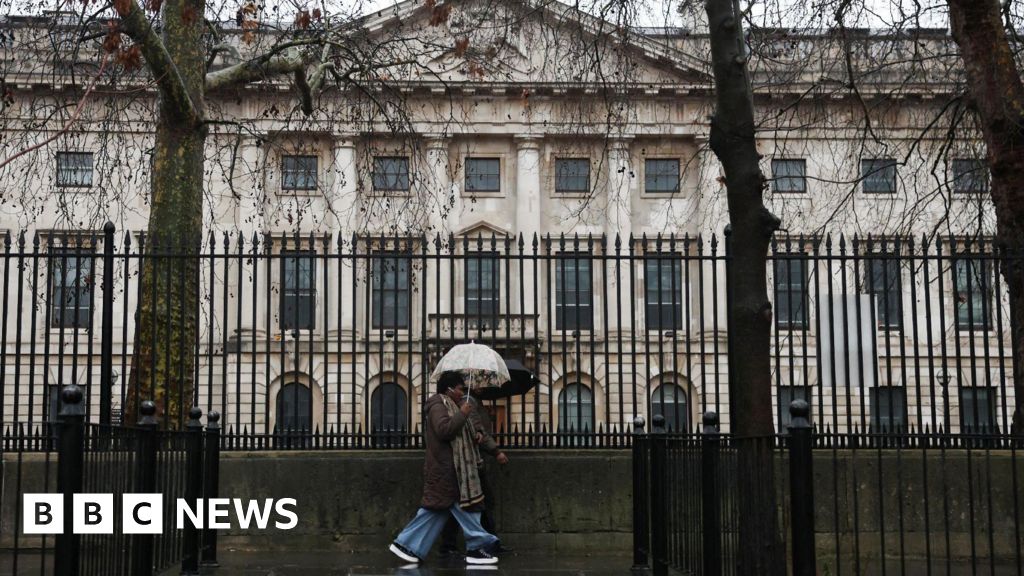
 BBC News
UK approves plans for Chinese mega-embassy in London
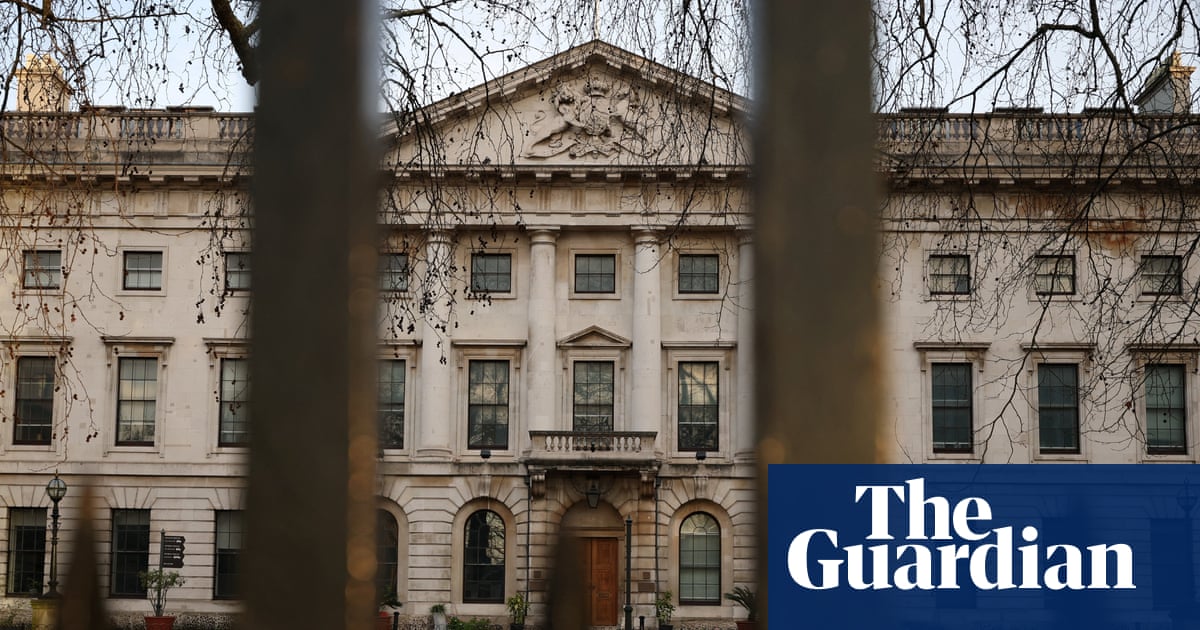
 The Guardian
UK government approves Chinese ‘mega embassy’ in London
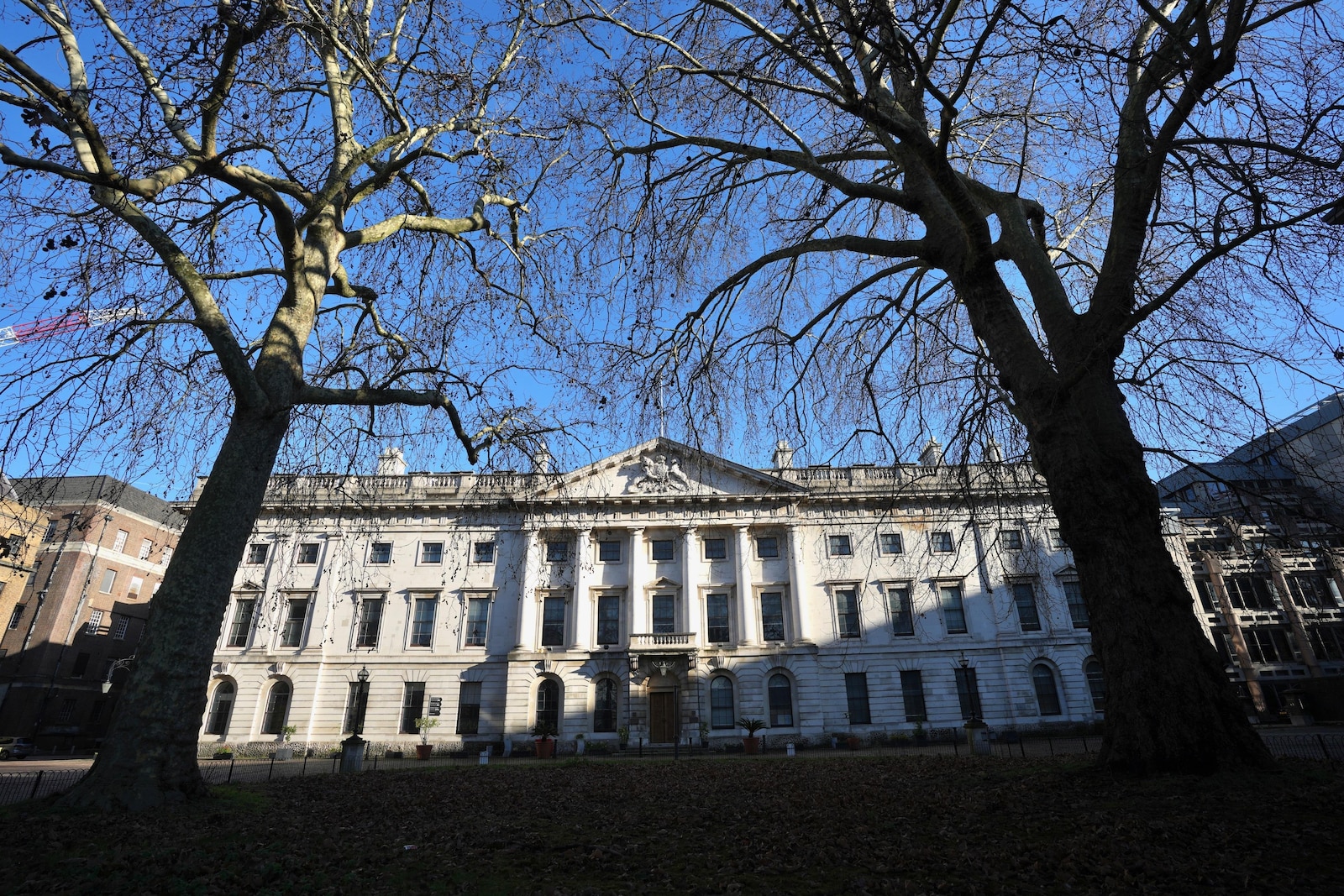
 ABC News
UK approves a ‘mega’ Chinese Embassy in London despite criticism of security risks
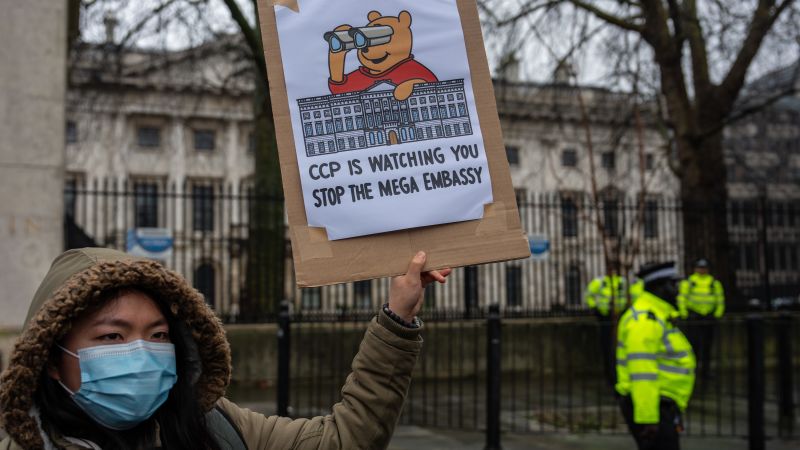
 CNN
CNNBritain approves ‘mega’ Chinese embassy in London despite national security fears
Overview
Communities Secretary Steve Reed approved plans for China’s consolidated 20,000 sqm embassy at Royal Mint Court, near the Tower of London, subject to conditions.
MI5 director Ken McCallum and GCHQ head Anne Keast-Butler said risks cannot be entirely eliminated but a proportionate package of national security mitigations was developed.
Critics, MPs, and local residents warned the size and proximity to fibre-optic cables risk espionage, surveillance and intimidation of dissidents; residents plan a legal challenge.
Security services argued consolidating seven diplomatic sites into one could bring clear security advantages and make monitoring easier, while no national-security body objected specifically over cable proximity.
Approval may smooth UK-China ties ahead of Prime Minister Keir Starmer’s expected visit to Beijing and could unblock Britain’s own embassy redevelopment in China.
Analysis
Center-leaning sources present this coverage neutrally: they foreground security concerns and high-profile criticism but balance them with official assessments from MI5/GCHQ, government statements denying objections, and China’s rebuttal. Reporting cites protests and media reports about cables while providing authorities’ mitigation claims, offering a proportionate account of competing perspectives.
FAQ
The embassy is at Royal Mint Court near the Tower of London and covers 20,000 square meters.
Concerns included espionage risks due to its size, proximity to underground fibre-optic cables carrying sensitive financial data, and potential surveillance and intimidation of Chinese dissidents.
Communities Secretary Steve Reed approved the plans. MI5 and GCHQ stated risks cannot be fully eliminated but a proportionate package of mitigations was developed, and consolidating sites aids monitoring.
China bought the site in 2018 for £225 million after years of objections, protests since then, legal challenges by residents, and criticism from MPs like Kemi Badenoch.
It may smooth ties ahead of Prime Minister Keir Starmer’s expected visit to Beijing, the first since 2018, and unblock Britain’s embassy redevelopment in China.