Japan's PM Takaichi Calls Feb. 8 Snap Election Amid High Approval and China Tensions
Prime Minister Sanae Takaichi called a Feb. 8 snap election to convert soaring approval into a stronger governing majority, advance stimulus plans, and confront China.



Overview
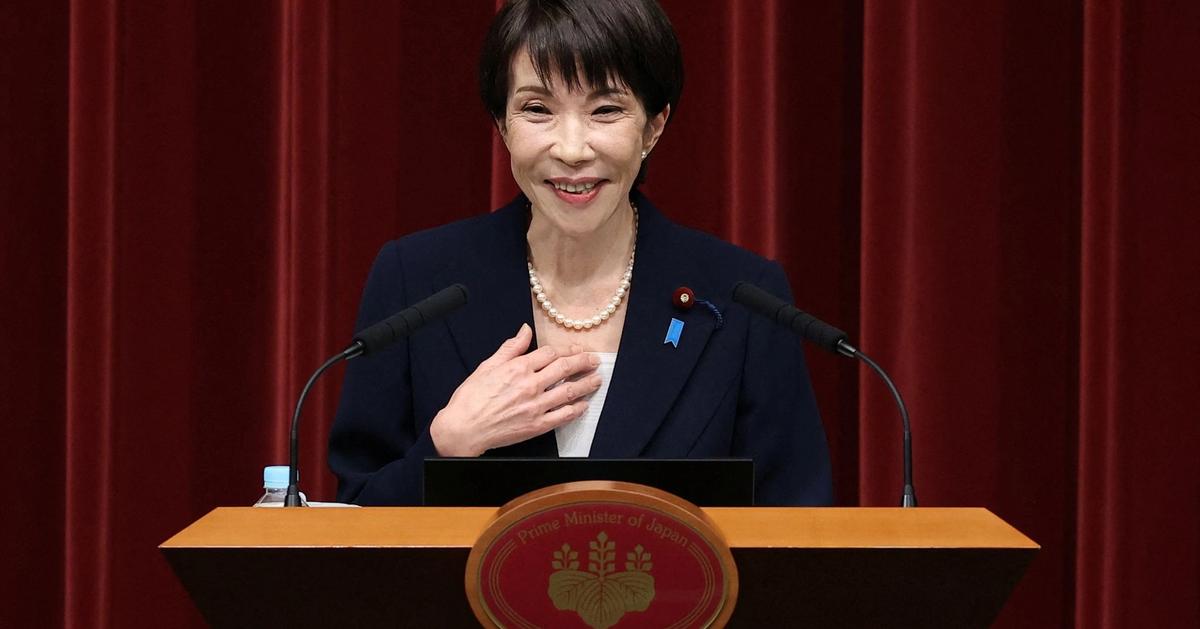
Prime Minister Sanae Takaichi announced dissolution of the lower house on Jan. 23, setting a February 8 snap election to seek a clearer public mandate.
Takaichi enjoys near-80% personal approval, far outpacing the LDP's roughly 30% party approval, prompting hopes of transferring popularity into parliamentary seats.
She proposes tax cuts, energy subsidies, and temporary zero consumption tax on food, actions that lifted stocks and long-term bond yields on investor optimism.
Her outspoken support for Taiwan and tougher stance on China sparked a diplomatic row, which may motivate voters and influence bargaining power with Beijing.
Analysts warn fiscal stimulus could strain public finances and party allies may curb spending; LDP’s coalition shift from Komeito complicates vote mobilization and legislative math.
Analysis
Center-leaning sources frame Ms. Takaichi as opportunistic and fiscally risky by using charged verbs ('soaring approval', 'ballooning row') and prioritizing skeptical voices—an economist warning the stimulus is 'moving in a dangerous trajectory'—while juxtaposing her negotiating aims with Beijing, which emphasizes doubt about her spending plans.
FAQ
Prime Minister Sanae Takaichi plans to dissolve the lower house on January 23, with campaigning starting January 27 and voting on February 8.
Takaichi enjoys near-80% personal approval ratings, significantly higher than the LDP's roughly 30% party approval.
She aims to convert her high personal popularity into a stronger LDP majority, advance fiscal stimulus plans like tax cuts, and gain leverage amid tensions with China over Taiwan.
Proposals include tax cuts, energy subsidies, and zero consumption tax on food; these have lifted stocks and bond yields, but analysts warn of straining public finances.
Takaichi's support for Taiwan and tough stance on China led to a diplomatic row, including China's bans on dual-use goods and rare-earth exports; the election may boost her bargaining power.