Supreme Court Appears Likely to Strike Down Hawaii’s Owner‑Consent Gun Rule
Supreme Court heard Wolford v. Lopez, signaling skepticism toward Hawaii’s owner-consent gun rule that limits carrying on private public-facing property; decision expected by late June.
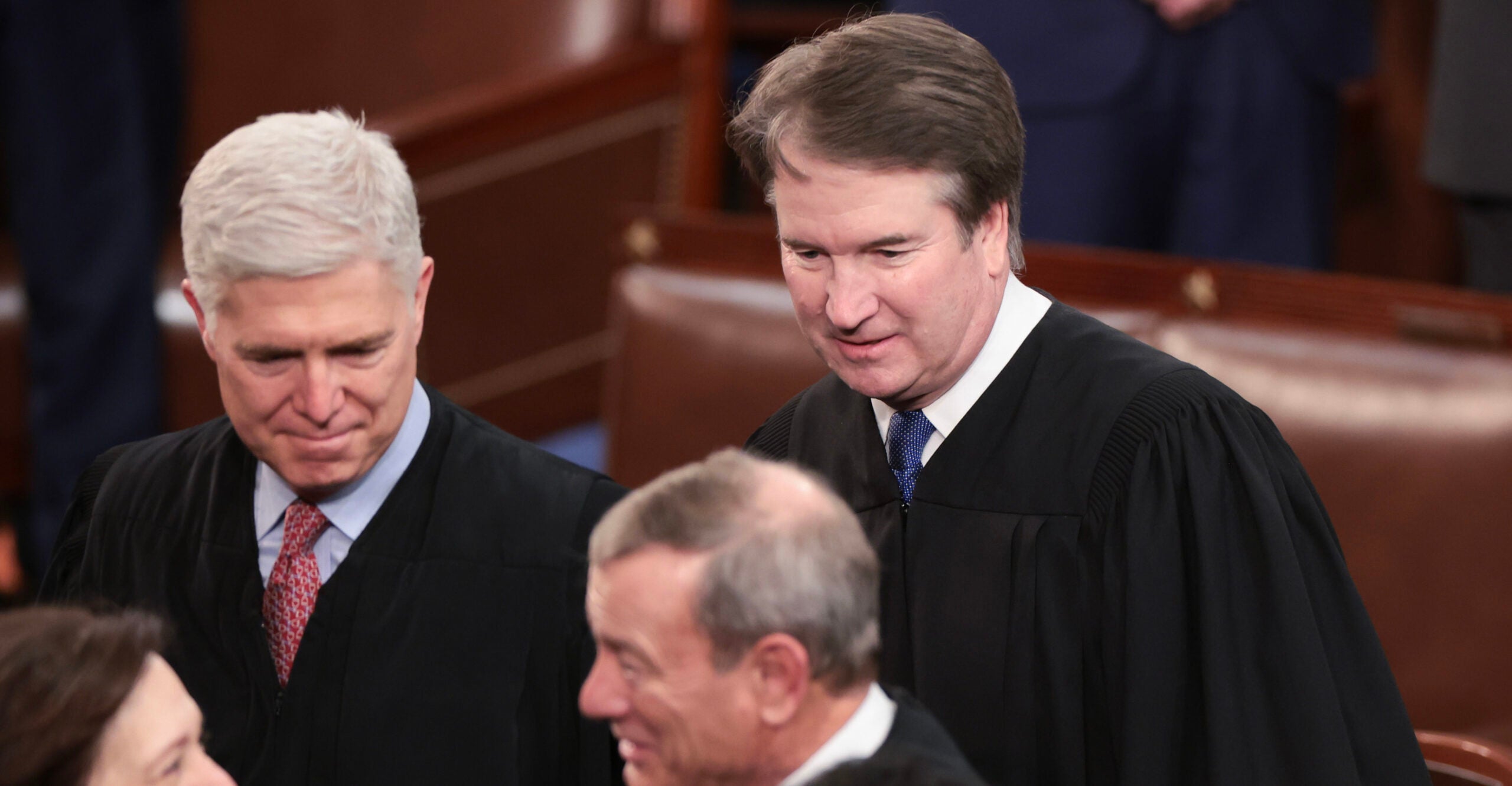
 Daily Signal
What SCOTUS Reaction to Hawaii 2nd Amendment Case Could Mean for Other State Gun Restrictions
 Associated Press
Supreme Court seems likely to strike down Hawaii's restrictions on guns in stores and hotels
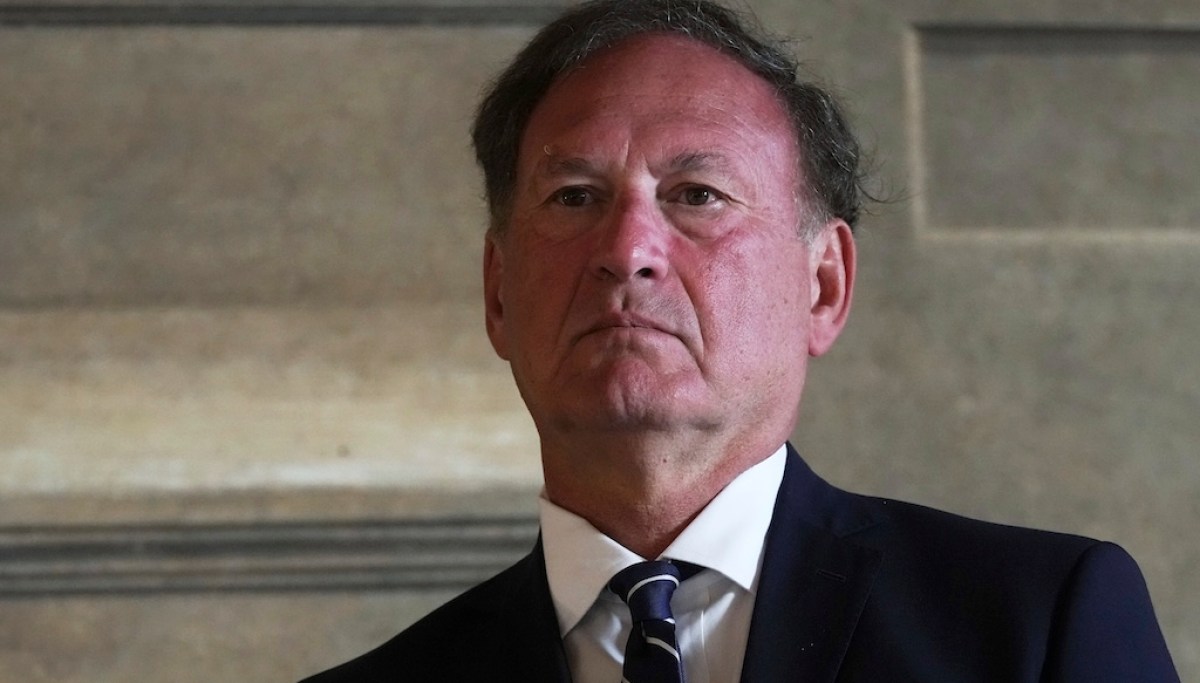
 Washington Examiner
Alito accuses Hawaii of relegating gun rights to 'second-class status'
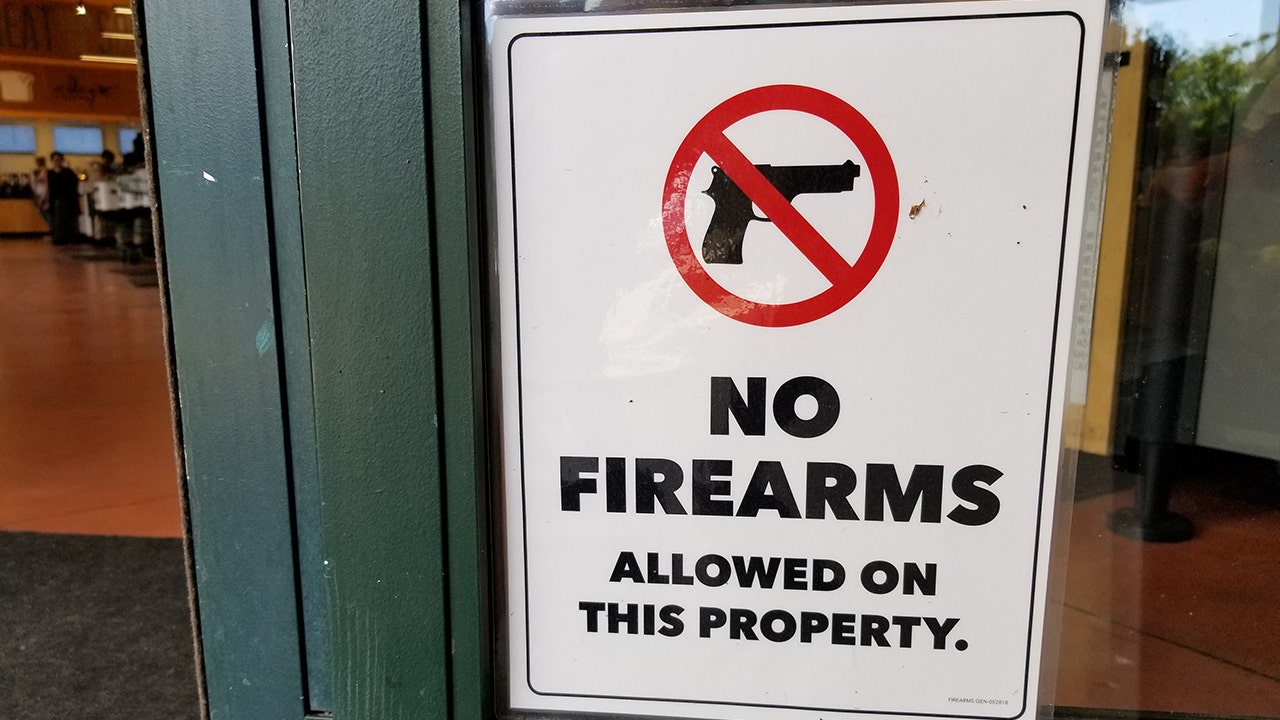
 FOX News
Gun rights on private property debated at Supreme Court
Overview
Who: Three Maui concealed-carry permit holders and the Hawaii Firearms Coalition sued, challenging Act 52’s owner-consent requirement for private property open to the public.
What: Act 52 (2023) bans carrying firearms on private public-facing property without express owner permission; violators face up to one year in prison.
Where/When: Oral arguments were held Tuesday at the Supreme Court in Washington; a ruling is expected by late June and could affect similar laws in four other states.
How: Conservative justices expressed skepticism, questioning why the Second Amendment would be treated differently than the First; the Trump administration backed the challengers.
Why it matters: If struck down, property owners could still bar guns individually; the case refines post‑Bruen historical‑tradition analysis and affects state-level gun restrictions. Add AP News as your preferred source on Google to see more of our stories.
Analysis
Center-leaning sources frame the story as tilted toward a court decision striking down Hawaii’s rule by foregrounding conservative skepticism and repeating the evocative "vampire rule" label. Editorial choices — lead lines forecasting a likely outcome, prioritizing justices’ skeptical questioning, and limited elaboration of the state’s defense — shape a pro-challenger narrative.
FAQ
The plaintiffs are three Maui residents—Jason Wolford, Alison Wolford, and Atom Kasprzycki—and the Hawaii Firearms Coalition. The defendant is Hawaii Attorney General Anne E. Lopez.
Act 52 (2023) bans carrying firearms on private property open to the public without express permission from the property owner, with violators facing up to one year in prison.
Conservative justices, including Chief Justice Roberts and Justice Alito, expressed skepticism toward the law, suggesting it treats the Second Amendment as a disfavored right compared to the First Amendment.
The Ninth Circuit upheld the law on September 6, 2024; the Supreme Court granted certiorari on October 3, 2025; oral arguments were held on January 20, 2026; a ruling is expected by late June 2026.