Trump issues late MLK Day proclamation after criticism
President Donald Trump issued an MLK Day proclamation late Jan. 19 following civil-rights groups' criticism for silence; it stresses unity and cites declassified assassination records.



Overview
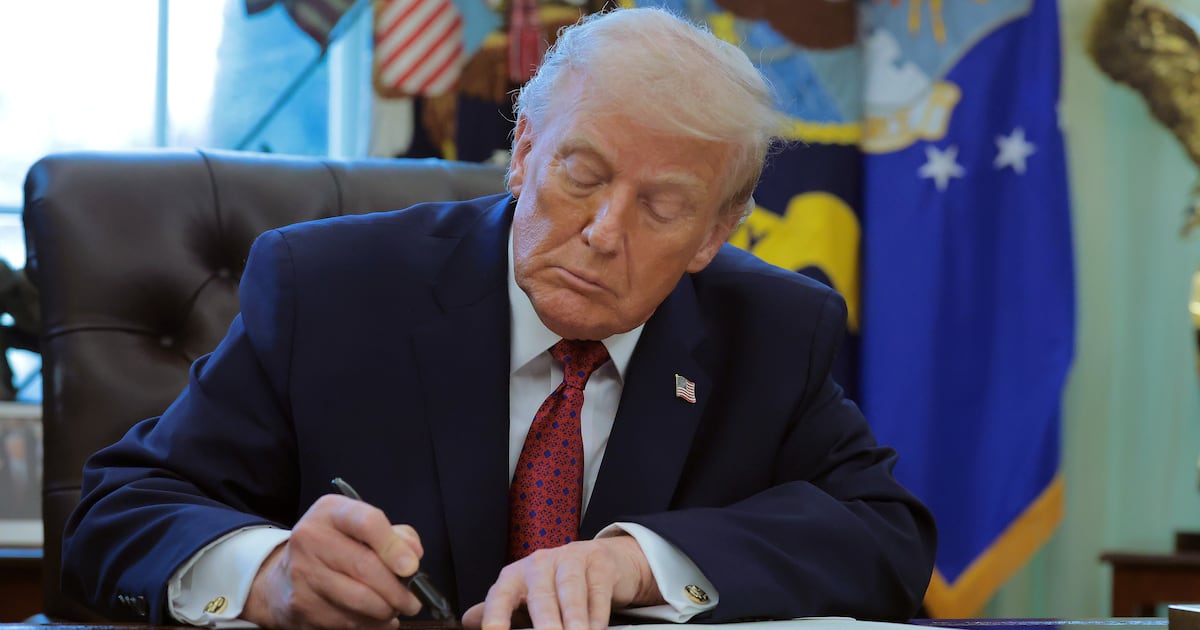
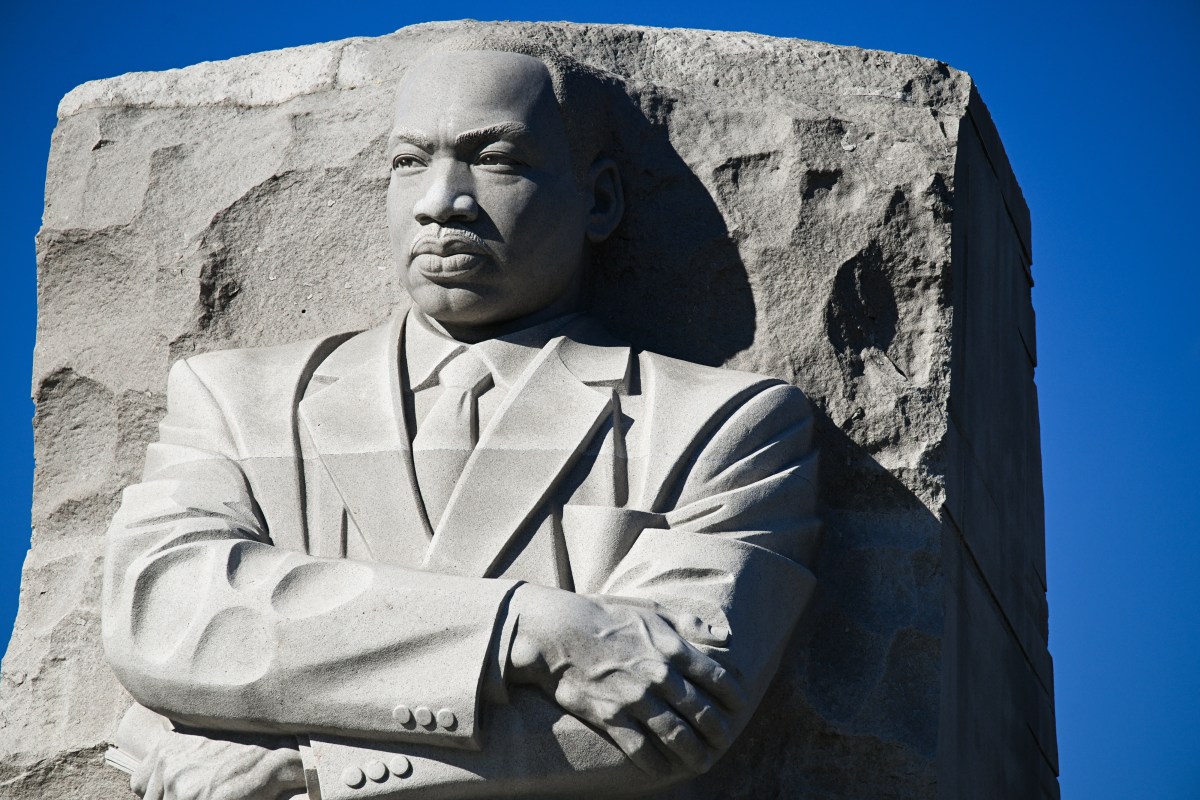
President Donald Trump issued a formal proclamation recognizing Martin Luther King Jr. Day on Jan. 19, 2026, after an initial absence of any public statement or ceremonial participation.
Trump spent the day at his Mar-a-Lago estate and later planned to attend the National College Football Championship in Miami; the proclamation arrived hours before those public engagements.
Civil-rights groups including the NAACP publicly criticized the initial silence, calling it a deliberate failure to honor King's legacy and urging concrete actions beyond statements.
Trump's proclamation praised King's principles of nonviolence and character-based judgment, emphasized law and order, and mentioned declassification of assassination-related documents.
Critics noted Trump's administration has rolled back DEI programs and removed MLK Day and Juneteenth from National Park Service fee-free days, raising questions about commitment to racial equality.
Analysis
Center-leaning sources frame the story as critical of Trump’s MLK proclamation by emphasizing omissions and dissent: noting the proclamation "avoids talking about imbalances," foregrounding NAACP leader Derrick Johnson’s accusations, highlighting deviations from past presidential observances, and citing policy moves (fee-free day removals, paused Black History Month) to suggest a pattern minimizing racial-justice commitments.
FAQ
The proclamation honors Dr. Martin Luther King Jr.'s commitment to justice, nonviolence, equal justice under law, law and order, and mentions the declassification of his assassination documents.
Civil-rights groups like the NAACP criticized Trump for his initial silence on MLK Day, viewing it as a deliberate failure to honor King's legacy.
The proclamation was issued late on January 19, 2026, after initial silence and hours before Trump's public engagements.
Trump's administration removed MLK Day and Juneteenth from National Park Service fee-free days and added his own birthday instead.
Governor Newsom announced free entry to over 200 California State Parks on MLK Day 2026 to honor Dr. King's legacy.