Judge Rejects Lawmakers' Bid to Appoint Monitor Over DOJ Epstein File Release
A federal judge ruled two congressmen cannot intervene in Ghislaine Maxwell's case to appoint a monitor ensuring DOJ compliance with the Epstein files disclosure law.
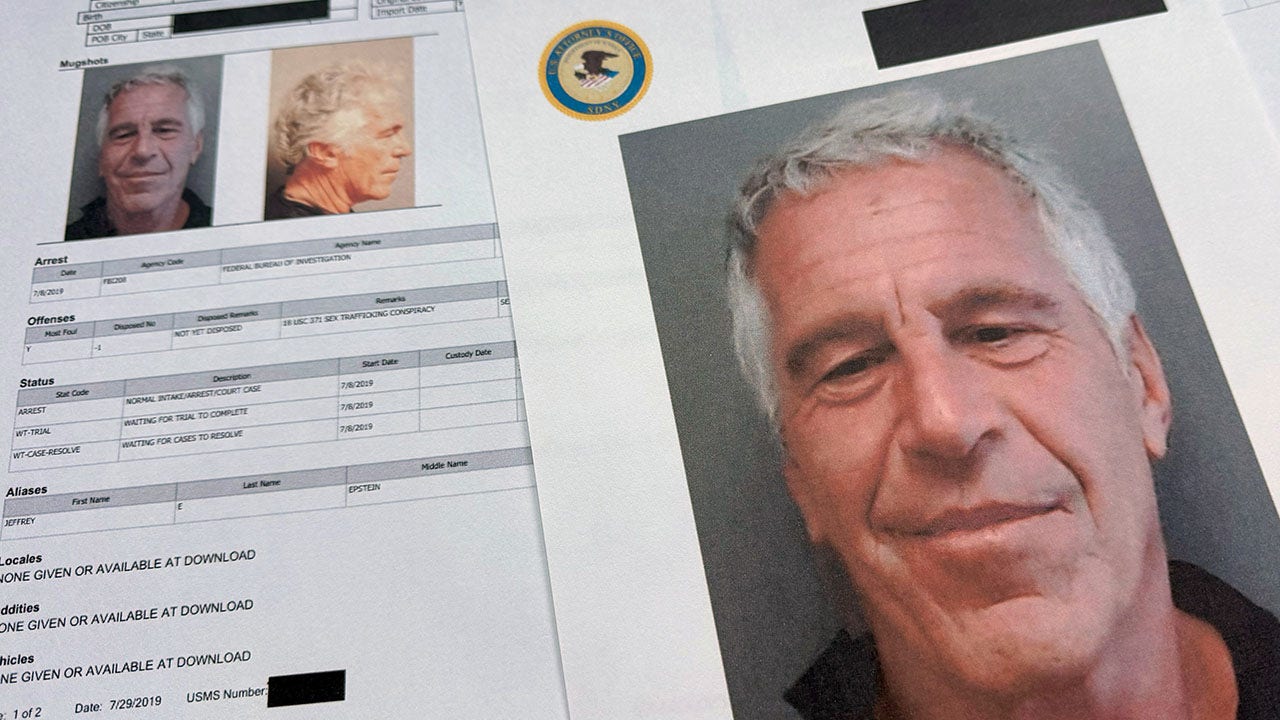
 FOX News
Federal judge blocks lawmakers' effort to force DOJ release of Epstein files
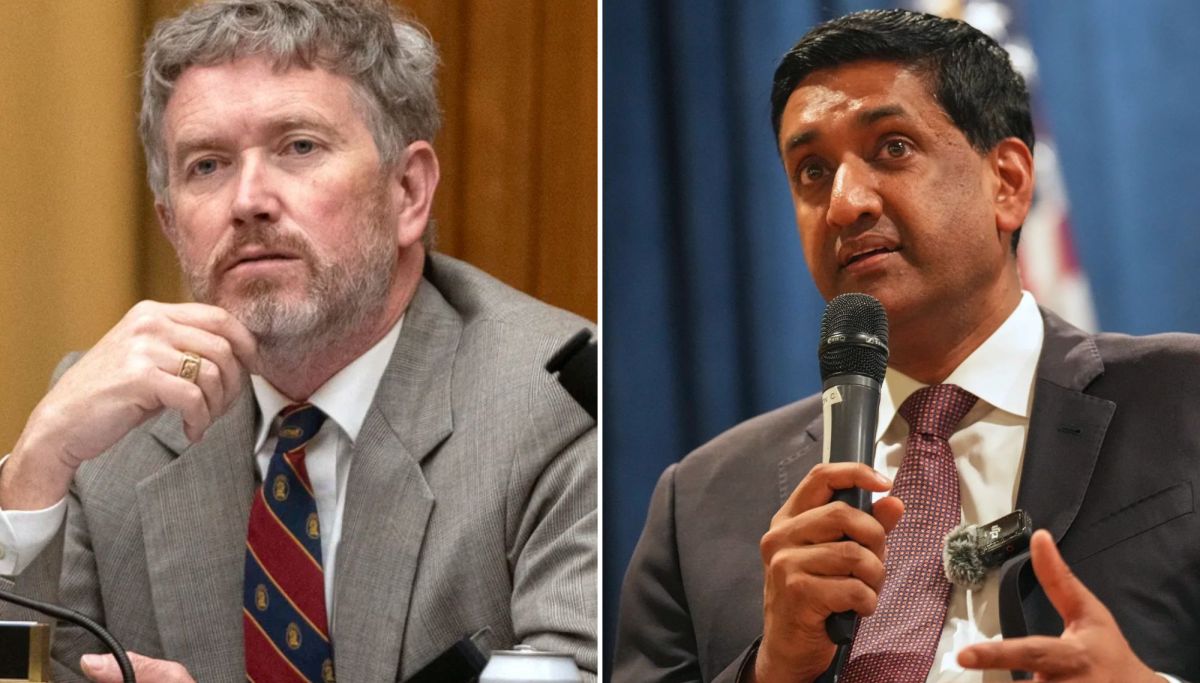
 Washington Examiner
Judge denies Massie and Khanna's 'independent monitor' for release of Epstein files
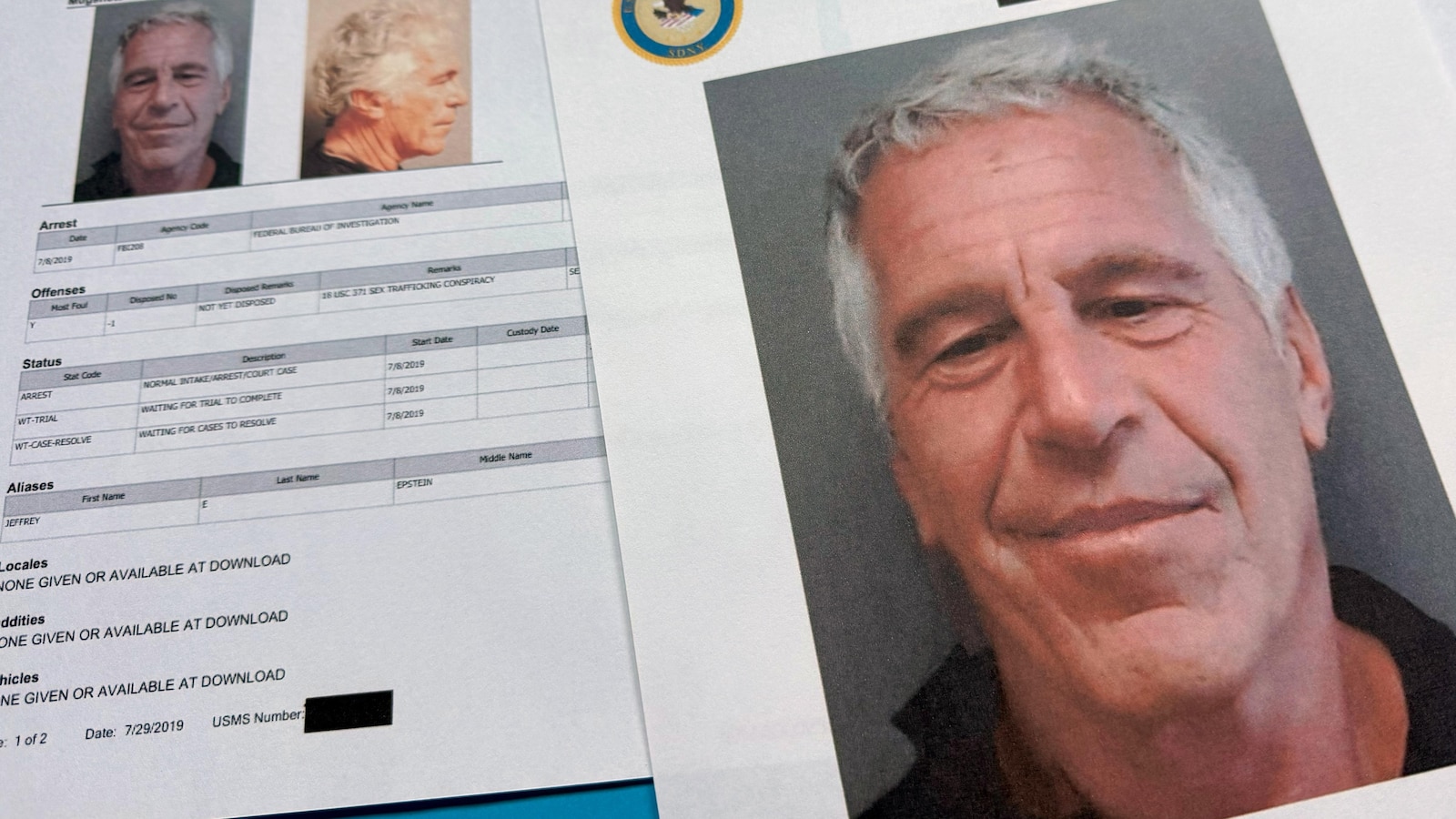
 ABC News
Judge rules against lawmakers pressing for monitor to ensure release of Epstein files
 Associated Press
Lawmakers can sue to ensure release of Epstein files, but not as part of Maxwell case, judge says
 Newsmax
Court Rejects Lawmakers' Effort to Speed Release of Epstein Files
Overview
U.S. District Judge Paul Engelmayer ruled Khanna and Massie lack standing to intervene in Maxwell's Southern District of New York criminal case seeking a special master.
Reps. Ro Khanna (D-Calif.) and Thomas Massie (R-Ky.) co-sponsored the Epstein Files Transparency Act requiring DOJ to release over two million investigative documents by Dec.19.
The Justice Department released roughly 12,000 documents, citing redactions to protect abuse victims' identities, and said hundreds of lawyers are reviewing remaining materials.
Engelmayer said the court lacks jurisdiction to supervise EFTA implementation and suggested lawmakers may pursue civil litigation or congressional oversight instead.
Survivors urged oversight, saying DOJ's slow disclosure causes trauma; Engelmayer acknowledged their concerns but held intervention in Maxwell's closed case was not permitted.
Analysis
Center-leaning sources report this story neutrally, focusing on legal procedure and competing claims rather than advocacy. They cite the judge’s rulings, lawmakers’ statements, and survivors’ letters while avoiding loaded adjectives. Coverage balances DOJ’s explanation of document review with legislators’ criticisms, presenting judicial reasoning and factual context without editorialized language.
FAQ
The Epstein Files Transparency Act, co-sponsored by Reps. Ro Khanna and Thomas Massie, requires the DOJ to publicly release over two million unclassified investigative documents related to Jeffrey Epstein by December 19, 2025, with redactions to protect victim identities.
Judge Paul Engelmayer ruled that Reps. Khanna and Massie lack standing to intervene in Ghislaine Maxwell's closed criminal case and that the court lacks jurisdiction to supervise DOJ's compliance with the Epstein Files Transparency Act.
As of early January 2026, DOJ has released about 12,000-12,285 documents out of over 2 million potentially responsive ones, with hundreds of lawyers reviewing the rest and citing redactions for victim privacy.
The judge suggested that lawmakers pursue civil litigation or congressional oversight instead of intervening in Maxwell's criminal case to address DOJ compliance with the Act.
Maxwell filed a motion to vacate her conviction in December 2025, alleging issues like secret settlements and juror misconduct, and her lawyer indicated she might testify before Congress if granted clemency by President Trump.
