Chicago jury acquits man charged with offering $10,000 bounty on Border Patrol commander
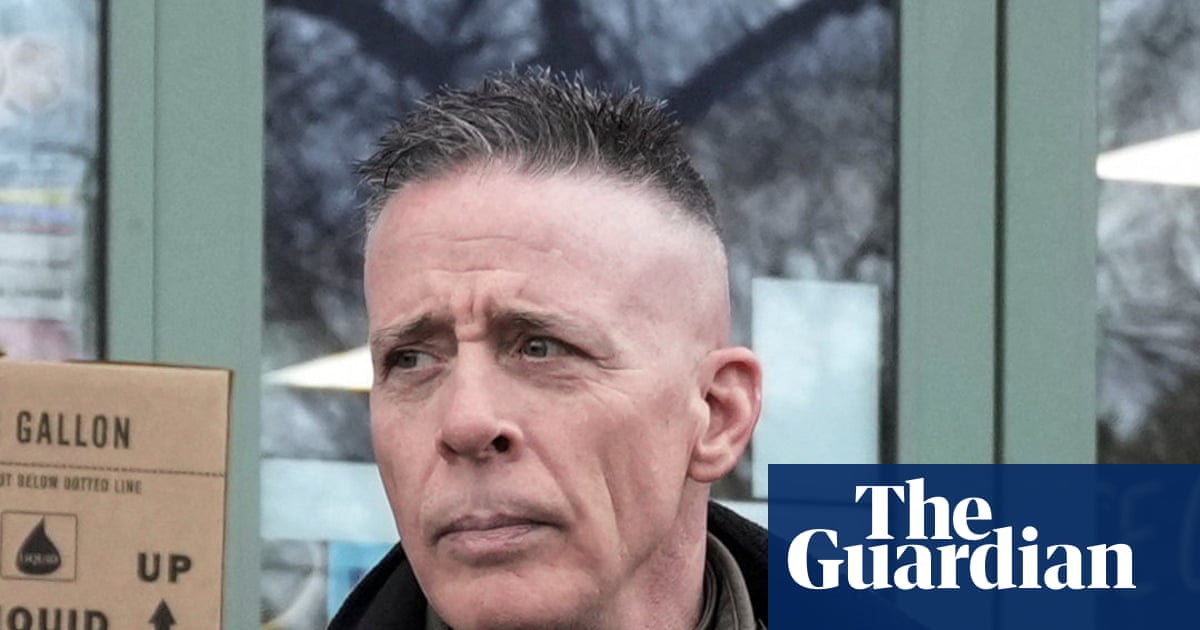
Chicago jury acquitted Juan Espinoza Martinez of murder-for-hire charges after prosecutors said he offered $10,000 on Snapchat in October for killing Border Patrol's Gregory Bovino.


Overview
A Chicago federal jury on Thursday acquitted 37-year-old Juan Espinoza Martinez of murder-for-hire charges after roughly three hours of deliberation in a three-day trial.
Prosecutors said Martinez sent Snapchat messages including a photo of Border Patrol commander Gregory Bovino and wording interpreted as a $10,000 bounty: "10K if you take him down."
Defense attorneys argued the messages were neighborhood gossip without intent to pay or carry out a killing, highlighting Martinez's steady job, family obligations, and limited funds.
One recipient of the messages was a paid government informant who shared the Snapchats with investigators; prosecutors relied on those communications but did not prove a concrete plan or payment.
The acquittal follows multiple collapsed prosecutions tied to the Chicago-area immigration enforcement surge, prompting scrutiny of evidence, investigative tactics, and enforcement narratives tied to the crackdown.
Analysis
Analysis unavailable for this viewpoint.
FAQ
The message included a photo of Border Patrol commander Gregory Bovino with the text: '2K on information when you get him,' '10K if u take him down,' and 'LK on him,' where 'LK' refers to Latin Kings.
The messages were sent to Adrian Jimenez, a paid government informant in the past who shared them with investigators; he testified as the prosecution's star witness.
Defense argued the messages were neighborhood gossip without intent to pay or carry out a killing, emphasizing Martinez's steady job, family life, limited funds, and lack of concrete plan or payment.
Operation Midway Blitz is the Trump administration’s Chicago-area immigration enforcement campaign; this was the first related case to go to trial after other charges involving protesters were dismissed.[1]
Prosecutors relied on messages to a government informant but couldn't prove a concrete plan or payment; the judge forbade questions on gang affiliation after prosecutors backed off that claim.

