Federal judge skeptical of Trump administration's authority to build White House ballroom
U.S. District Judge Richard Leon expressed skepticism that President Trump can unilaterally authorize construction of a $400 million East Wing ballroom without proper congressional approval.
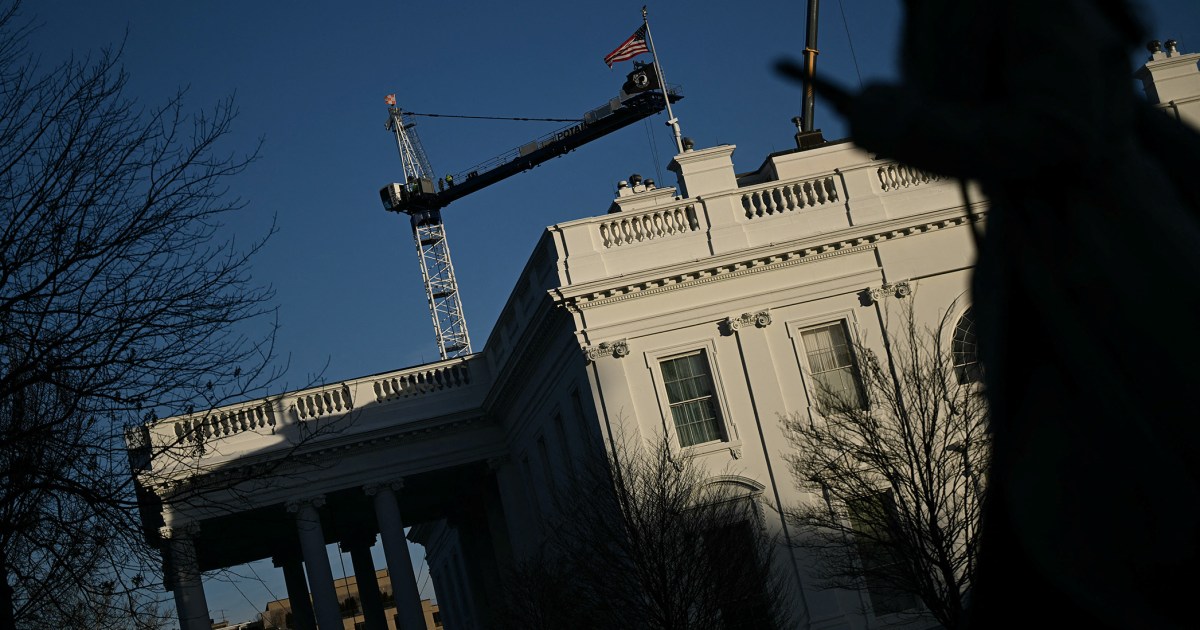
 NBC News
Federal judge appears skeptical of DOJ's argument for White House ballroom construction
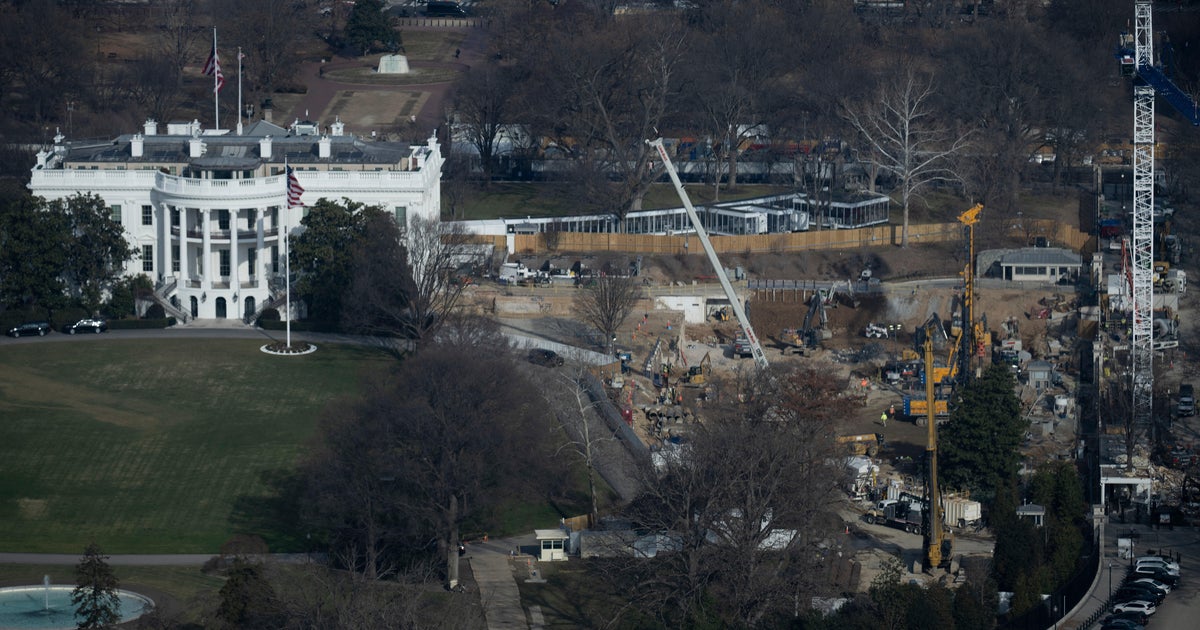
 CBS News
Judge skeptical of Trump's arguments he has proper authority to build White House ballroom

 CNN
CNNFederal judge appears skeptical that Trump has legal authority to proceed with White House ballroom | Politics
Overview
U.S. District Judge Richard Leon signaled skepticism and appeared likely to pause White House East Wing construction during a hearing brought by the National Trust for Historic Preservation.
Administration says federal statutes and private donations, transferred through the National Park Service to the Executive Residence, fund the $400 million ballroom; Leon called the arrangement a 'Rube Goldberg' contraption.
Tad Heuer for the National Trust argued the president is steward, not owner, of the White House and cannot unilaterally authorize such major construction without Congress.
Justice Department attorney Yaakov Roth warned a mid-project pause would cause irreparable harm, risk security and exposure, and complicate ongoing bunker excavation beneath the ballroom site.
Leon previously denied a temporary restraining order but barred further below-ground work determining final ballroom placement; he said he will likely issue a ruling in February.
Analysis
Center-leaning sources frame the story around judicial skepticism and procedural oversight, foregrounding the judge’s doubts and financing mechanics rather than the preservation rationale. Editorial choices lead with the courtroom’s incredulous tone (headline/opening), prioritize exchanges about authority and funding, and highlight concerns about an ‘end-run’ around Congress while quoting both sides as source content.
FAQ
The ballroom is a planned 89,000-square-foot expansion replacing the demolished East Wing, with the ballroom itself around 22,000-25,000 square feet, designed to hold 1,000 guests for formal events like state dinners, connected to the Executive Residence by a glass bridge.
The project is funded through private donations transferred via the National Park Service to the Executive Residence, avoiding direct taxpayer money, despite using federal statutes for repair and improvement authority.
Judge Leon called the funding arrangement a 'Rube Goldberg' contraption evading congressional oversight, questioned the president's unilateral authority to demolish and rebuild part of the White House as a national icon, and viewed the administration's interpretation of statutes as overly expansive.
Announced in July 2025, demolition of the East Wing began in October 2025, with construction ongoing since September 2025; completion is targeted before Trump's 2029 term ends, possibly summer 2028, though experts call it optimistic. Judge Leon paused below-ground work and plans a ruling in February.
The upper floor includes the ballroom, lobby, bathrooms, and corridor to the East Room; lower floor has first lady's office suite, kitchen, movie theater, and corridor. A top-secret bunker is being rebuilt underneath, with ongoing excavation raising security and harm concerns if paused.