Trump's Greenland Bid Sparks NATO Tensions, Ends with Davos Framework
President Trump's bid for Greenland provoked NATO tensions, drew criticism for chaotic tactics and ultimately ended in Davos with a tentative framework, not a transfer.



Overview
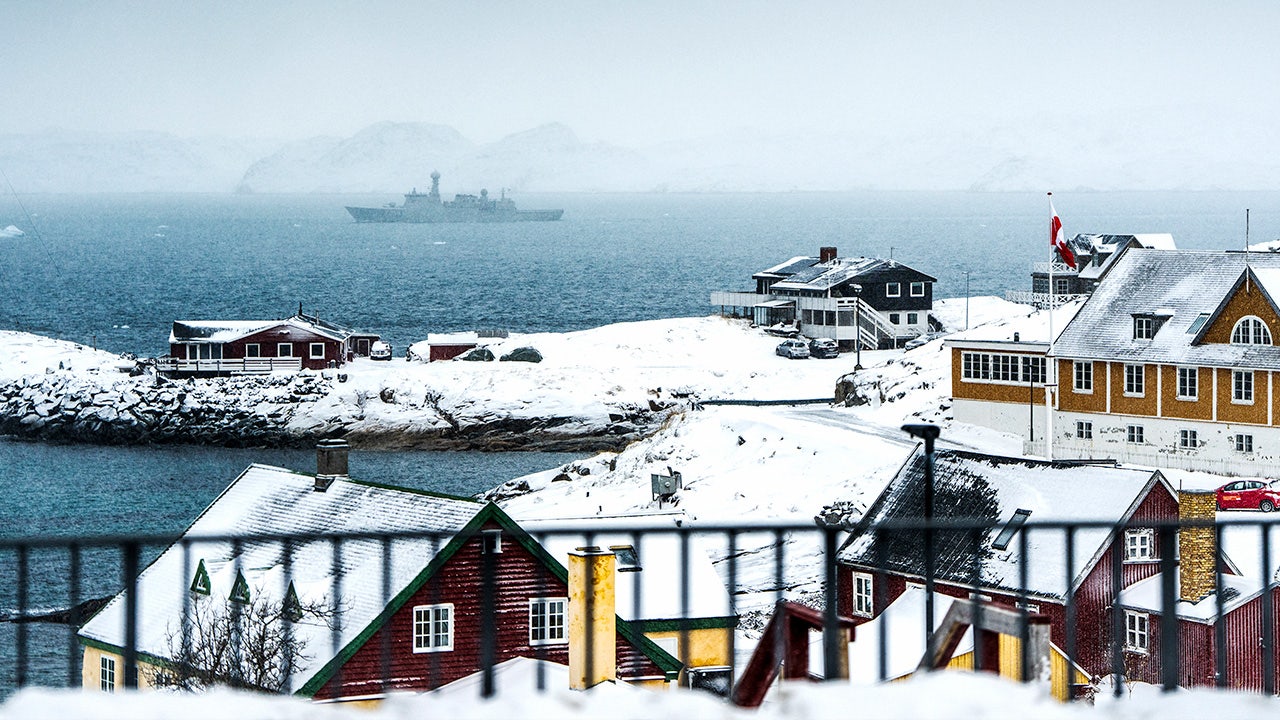
President Trump pursued acquiring Greenland through public demands and Davos negotiations, seeking U.S. sovereignty or expanded military access over existing bases, in a flurry of recent statements.
Denmark, Greenland, and NATO allies rejected any transfer of sovereignty; Denmark increased its Greenland presence while European leaders condemned tariff threats and diplomatic pressure.
Administration officials cited Arctic security, rare-earth mineral access, and a "Golden Dome" missile proposal as justifications, but critics note the National Security Strategy omits Greenland and Arctic specifics.
Davos discussions produced a reported "framework of a deal" preserving U.S. military access (including Pituffik) without transferring title; Greenlandic and Danish authorities disputed that a final agreement exists.
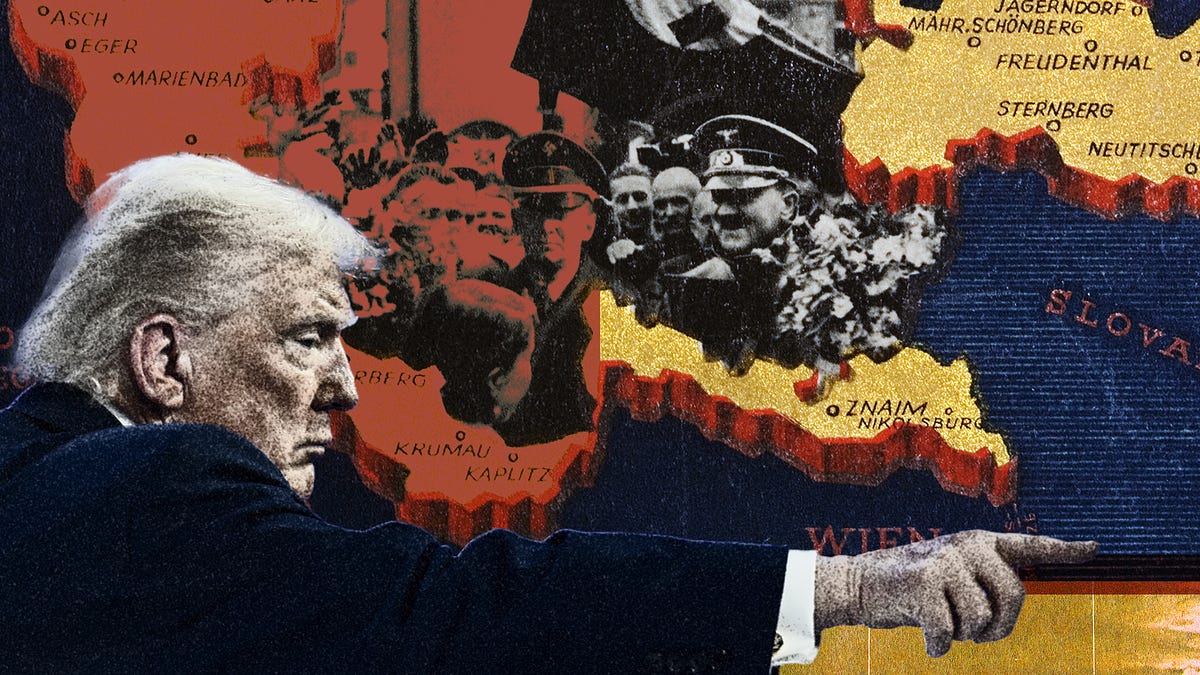
Observers say the episode strained U.S.-European trust, appeared driven by presidential brinkmanship and personal motives to project strength, and raised questions about coherent Arctic policy.
Analysis
Center-leaning sources depict the Greenland episode as chaotic and personal, using loaded language ("obsessive", "vanity"), privileging critics and skeptical European responses, and juxtaposing administration quotes about strategy with the absence of Greenland in the National Security Strategy. Structural emphasis on theater over policy and selective sourcing amplifies a narrative of incompetence.
FAQ
The discussions produced a reported 'framework of a deal' that preserves U.S. military access, including at Pituffik, without transferring sovereignty, though Greenlandic and Danish authorities dispute that a final agreement exists.
The administration cited Arctic security needs, access to rare-earth minerals, and a 'Golden Dome' missile defense proposal as key justifications.
Denmark, Greenland, and NATO allies rejected any sovereignty transfer; Denmark increased its military presence in Greenland, and European leaders condemned U.S. tariff threats and diplomatic pressure.
The U.S. has attempted to buy Greenland multiple times, including in 1868 under Seward after Alaska, 1910, during Truman's era, and Trump's first term in 2019, primarily for resources and strategic military position.
The episode strained U.S.-European trust, appearing driven by presidential brinkmanship, chaotic tactics, and personal motives, while raising questions about coherent U.S. Arctic policy.
