Pentagon Releases 2026 Defense Strategy, Tells Allies To Self-Defend
The 34-page National Defense Strategy released Jan. 23, 2026, prioritizes homeland and Western Hemisphere defense and tells allies to take primary responsibility for security.

 ABC News
How the old and new U.S. defense strategies differ on traditional priorities
 Associated Press
How the old and new US defense strategies differ on traditional priorities

 NPR
NPRTrump administration's defense strategy tells allies to handle their own security
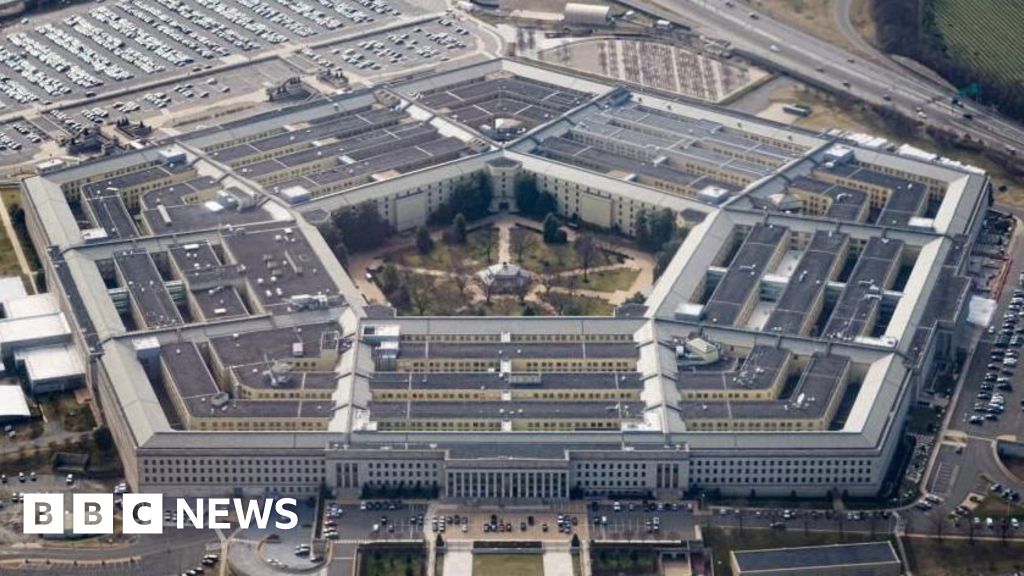
 BBC News
Pentagon to offer 'more limited' support to US allies
Overview
The Pentagon released a 34-page National Defense Strategy on Jan. 23, 2026, that prioritizes homeland defense and the Western Hemisphere and directs allies to take primary responsibility for their own security, Pentagon officials said.
The strategy downgrades China from its 2022 role as the 'pacing challenge,' omits any mention of Taiwan, and pledges 'credible options' to guarantee access to the Panama Canal and Greenland, the document says.
NATO and Asian partners privately expressed concern about the shift and warned that allies fear planned reductions of U.S. troop presence on NATO's borders with Ukraine, diplomatic sources said.
The 34-page strategy cites a $11 billion arms sale to Taiwan in 2025 and signals planned reductions of U.S. troop presence on NATO's borders with Ukraine, Pentagon officials confirmed.
Danish officials, speaking on condition of anonymity, said formal negotiations over Greenland have yet to begin, a conflicting account that could prompt allied consultations and congressional scrutiny, diplomatic officials said.
Analysis
Center-leaning sources frame the strategy as politically charged and confrontational, emphasizing allies’ discomfort and burden‑shifting. Editorial choices use loaded terms (e.g., "chastised", "highly political", headline "tells allies to handle their own security"), while policy excerpts are presented as source content to underscore tensions over Greenland, Panama Canal, and troop cuts.
FAQ
The strategy prioritizes defending the U.S. homeland, including borders, skies via Golden Dome, nuclear deterrent, cyber defenses, and counterterrorism, followed by securing the Western Hemisphere with access to the Panama Canal and Greenland, and urging allies to take more responsibility for their security.
China is downgraded from its 2022 role as the 'pacing challenge,' with the strategy now prioritizing homeland defense first and deterring China second, while omitting any mention of Taiwan to focus on other priorities like the First Island Chain denial defense.
NATO and Asian partners have privately expressed concern over the shift, fearing planned reductions in U.S. troop presence on NATO's borders with Ukraine, prompting potential allied consultations.
The strategy pledges credible military options to guarantee U.S. access to the Panama Canal and Greenland, but Danish officials state formal negotiations over Greenland have not begun.
