Carney Says Canada Won't Pursue China Free-Trade Amid Trump's Tariff Threat
Carney said on Jan. 18, 2025 that Canada will not pursue a free-trade agreement with China in response to President Trump's threat of 100% U.S. tariffs.
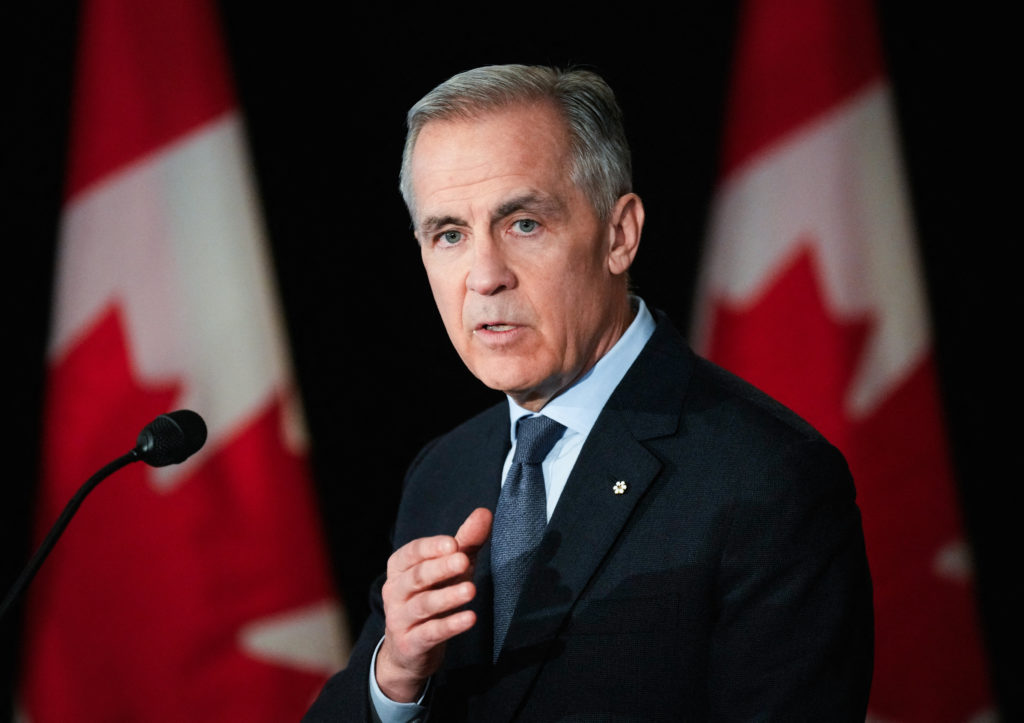
 PBS NewsHour
Carney says Canada not pursuing free trade deal with China as Trump threatens tariffs
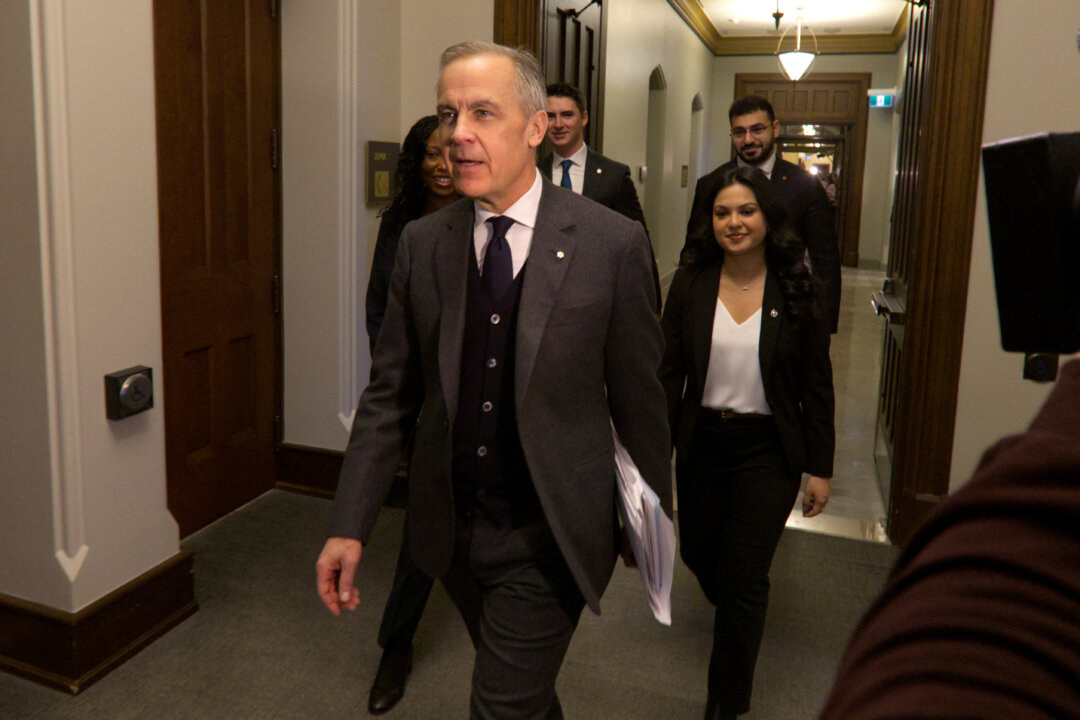
 Epoch Times
Carney Says Canada Has ‘No Intention’ of Pursuing a Free Trade Agreement With China
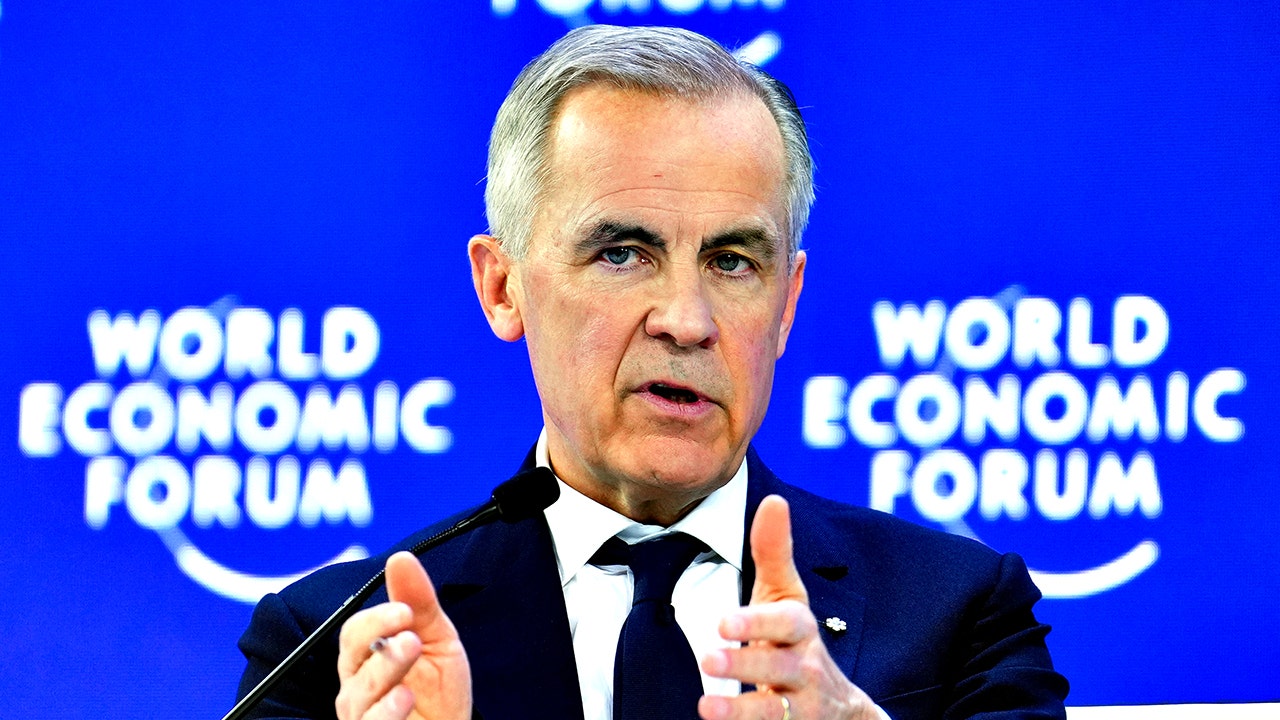
 FOX News
Carney pushes back on Trump's 100% tariff threat over China trade deals with Canada amid tensions
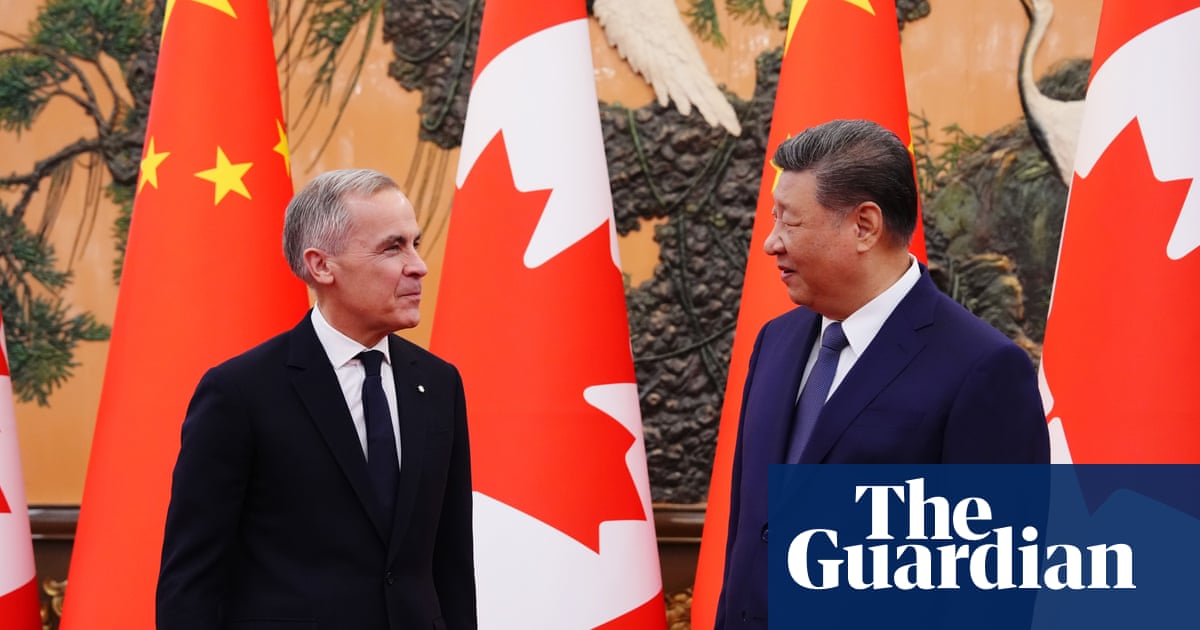
 The Guardian
Canada has no intention of pursuing free trade with China, says Carney
Overview
Canadian Prime Minister Mark Carney said on Jan. 18, 2025 that Canada has no intention of pursuing a free-trade agreement with China, pushing back against President Donald Trump's 100% tariff threat.
Carney said on Jan. 15, 2025 that his Beijing agreement only rolled back tariffs in specific sectors and set an initial annual cap of 49,000 Chinese electric vehicles at a 6.1% tariff, rising to about 70,000 over five years.
President Donald Trump posted on Truth Social on Jan. 18, 2025 that he would impose a '100% Tariff' on goods imported from Canada if Ottawa completed a trade deal with China and warned Canada against becoming a 'Drop Off Port' for Chinese goods.
Records show that in 2024 Canada imposed a 100% tariff on Chinese electric vehicles and a 25% tariff on steel and aluminum, and that China retaliated with 100% duties on Canadian canola oil and meal and 25% tariffs on pork and seafood.
Legal analysts said a U.S. 100% tariff would face World Trade Organization challenges and U.S. court litigation, and that the U.S. Supreme Court is expected in coming weeks to consider whether the International Emergency Economic Powers Act authorizes such tariffs.
Analysis
Center-leaning sources frame the story as a clash between an abrasive U.S. president and a measured Canadian leader by foregrounding inflammatory social-media posts and Trump's Greenland/annexation references while emphasizing Carney's Davos speech and tariff context. They prioritize U.S. reactions and expert commentary on trade risks, marginalizing deeper Chinese or Canadian industry perspectives.
FAQ
President Trump threatened 100% tariffs on Canadian goods if Canada completes a trade deal with China, warning against Canada becoming a 'Drop Off Port' for Chinese goods.
The agreement is a preliminary deal to address trade irritants, including China lowering tariffs on Canadian canola seed to 15%, removing anti-discrimination tariffs on canola meal, lobsters, peas, and crabs, and Canada extending remission measures for Chinese steel and aluminum.
Prime Minister Carney stated on January 25, 2026, that Canada has 'no intention' of pursuing a free trade deal with China or any other non-market economy, clarifying the recent agreement only rectifies specific trade issues.
In 2024, Canada imposed 100% tariffs on Chinese electric vehicles and 25% on steel and aluminum; China retaliated with 100% duties on Canadian canola oil and meal, and 25% on pork and seafood.
Legal analysts indicate a U.S. 100% tariff would face World Trade Organization challenges and U.S. court litigation, with the Supreme Court expected to consider if the International Emergency Economic Powers Act authorizes such tariffs.