U.S. Military Strikes Alleged Drug Boat After Maduro Capture
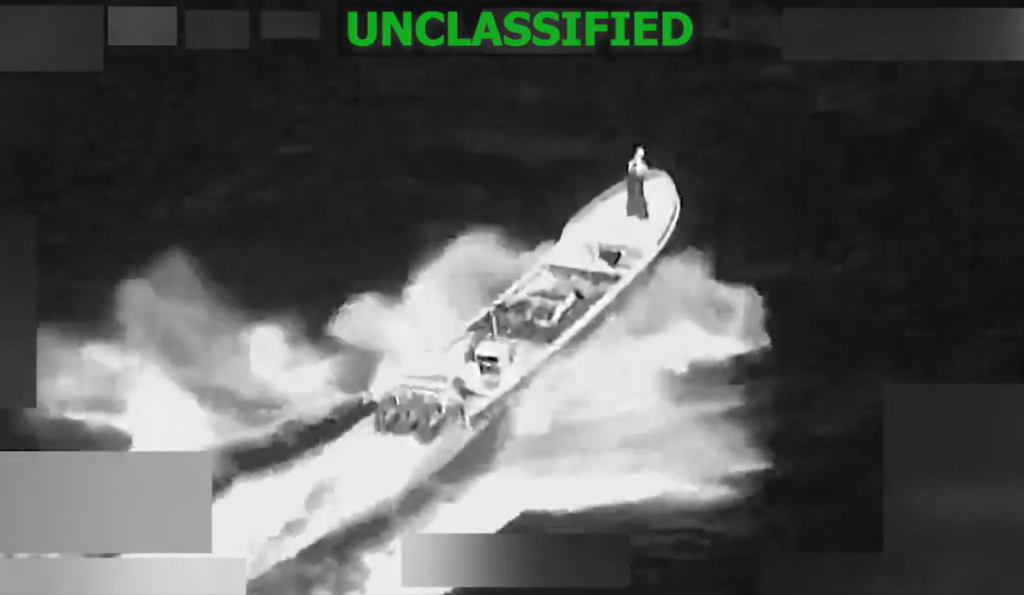
Southern Command said the Jan. 23 eastern Pacific strike killed two people and left one survivor, and that the Coast Guard was notified to conduct a search-and-rescue.
 PBS NewsHour
U.S. forces carry out first known strike on alleged drug boat since Maduro's capture
 Epoch Times
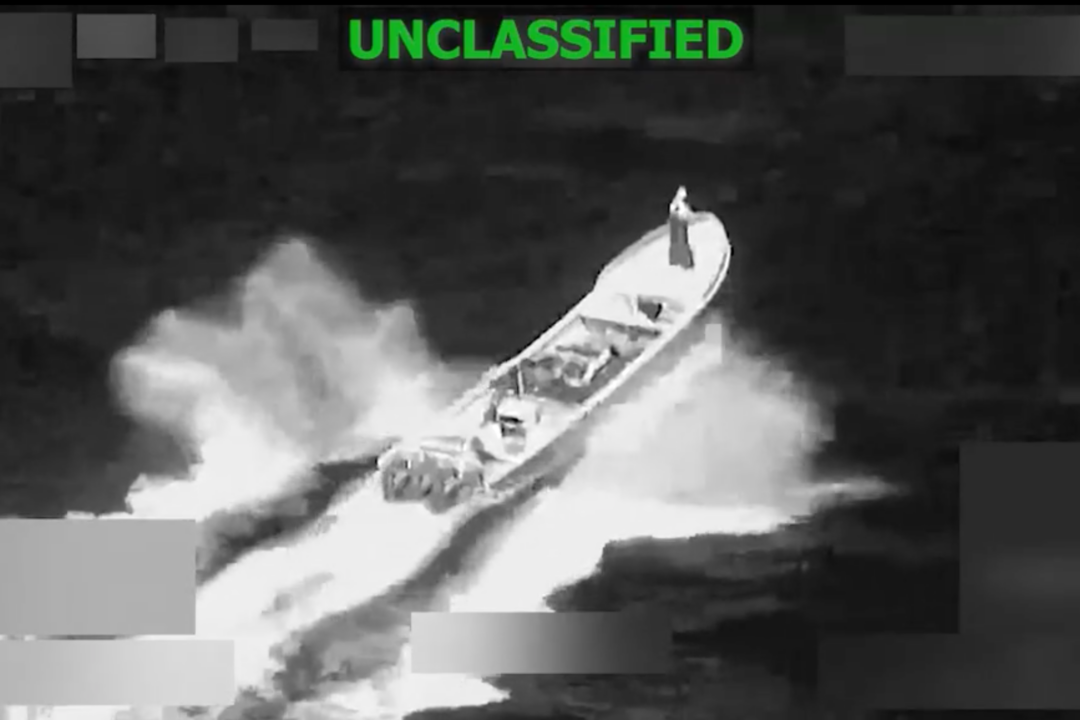
US Military Strikes Another Drug Boat in Eastern Pacific; 2 Killed
 The Guardian
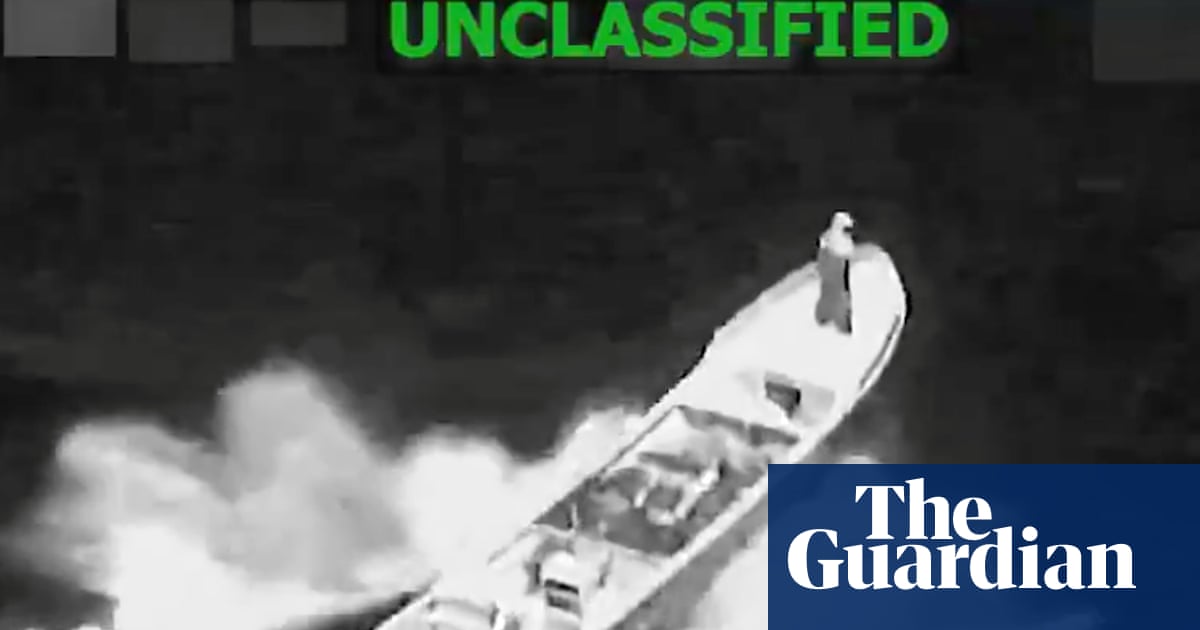
US military says it struck vessel in eastern Pacific, killing two people
 NBC News
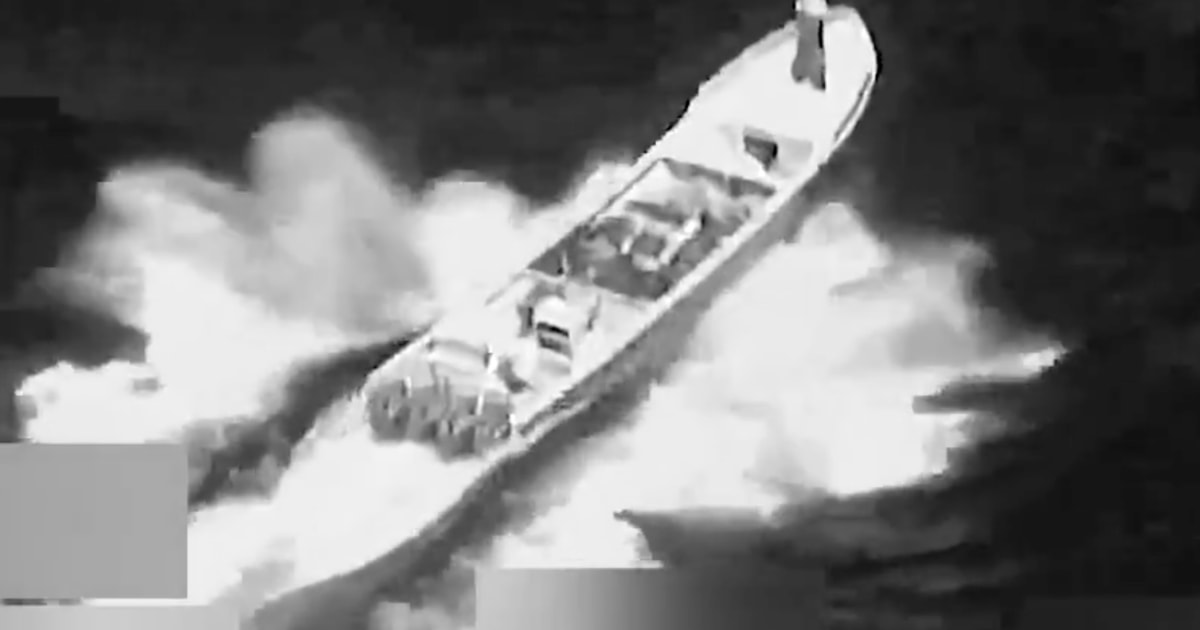
Military conducts 'lethal kinetic strike' on alleged drug boat, leaving one survivor
Overview
On Jan. 23, U.S. Southern Command said Joint Task Force Southern Spear, at the direction of Secretary of War Pete Hegseth, conducted a lethal kinetic strike on a vessel in the eastern Pacific that killed two people and left one survivor, and it notified the U.S. Coast Guard to launch search-and-rescue efforts.
The strike is the first publicly announced attack since the Jan. 3 capture of Venezuelan President Nicolás Maduro and comes amid a campaign the U.S. military and President Donald Trump say includes 36 known strikes since early September that have killed at least 117 people, according to military announcements.
Maduro, before his capture, had said U.S. military operations were a thinly veiled effort to oust him, officials confirmed, and President Donald Trump said at the World Economic Forum that the strikes have "virtually stopped almost 100% of all drugs coming in by water," while legal experts cautioned that repeat lethal strikes could raise war-crimes concerns, according to defense analysts and legal scholars.
U.S. military announcements show the majority of the strikes occurred in the Caribbean Sea and eastern Pacific, with the last reported series in late December involving five strikes over two days that officials said killed eight people and prompted the Coast Guard to suspend parts of its search.
The Coast Guard was ordered to search for the survivor and U.S. naval forces remain deployed in the region as Congress weighs Democratic-led war powers resolutions in January, with lawmakers saying at least one measure was narrowly defeated in the House.
Analysis
Center-leaning sources present this coverage with mild editorial framing that emphasizes U.S. operational assertiveness and effectiveness while foregrounding official claims. Editorial choices—using phrases like "deadly strike" and "audacious raid," leading with military statements, tallying strikes/casualties, and prominently quoting Trump’s effectiveness claim—shape a narrative of forceful, consequential action despite including Maduro’s counterclaim.
FAQ
Joint Task Force Southern Spear, directed by Secretary of War Pete Hegseth, conducted a lethal kinetic strike on a vessel operated by Designated Terrorist Organizations in the eastern Pacific, killing two narco-terrorists and leaving one survivor, with the U.S. Coast Guard notified for search and rescue.
Operation Southern Spear is a U.S. Southern Command and Joint Task Force initiative to conduct counter-narco-terrorist operations, disrupting narcotics flow by Designated Terrorist Organizations in the Western Hemisphere, integrating II Marine Expeditionary Force with joint and interagency partners.
Pete Hegseth is the U.S. Secretary of War who directed the January 23 lethal kinetic strike by Joint Task Force Southern Spear on the narco-trafficking vessel.
The strike is the first publicly announced since the January 3, 2026 capture of Venezuelan President Nicolás Maduro, amid a U.S. campaign of 36 strikes since early September 2025 killing at least 117 people.
The campaign includes 36 known strikes since early September 2025, mostly in the Caribbean Sea and eastern Pacific, killing at least 117 people; President Trump claimed they stopped almost 100% of waterborne drugs.