Iranian Capital Returns to Daily Life After Deadly Crackdown
Tehran streets reopen after protests that officials say left 3,117 dead amid disputed higher tolls and an ongoing internet blackout.


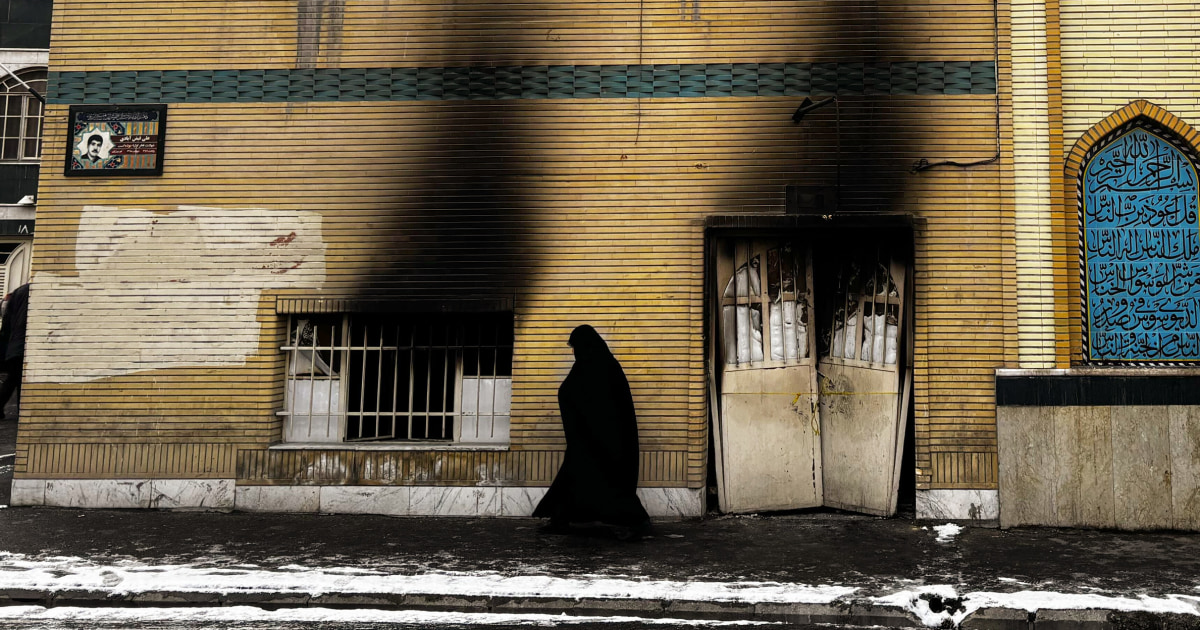


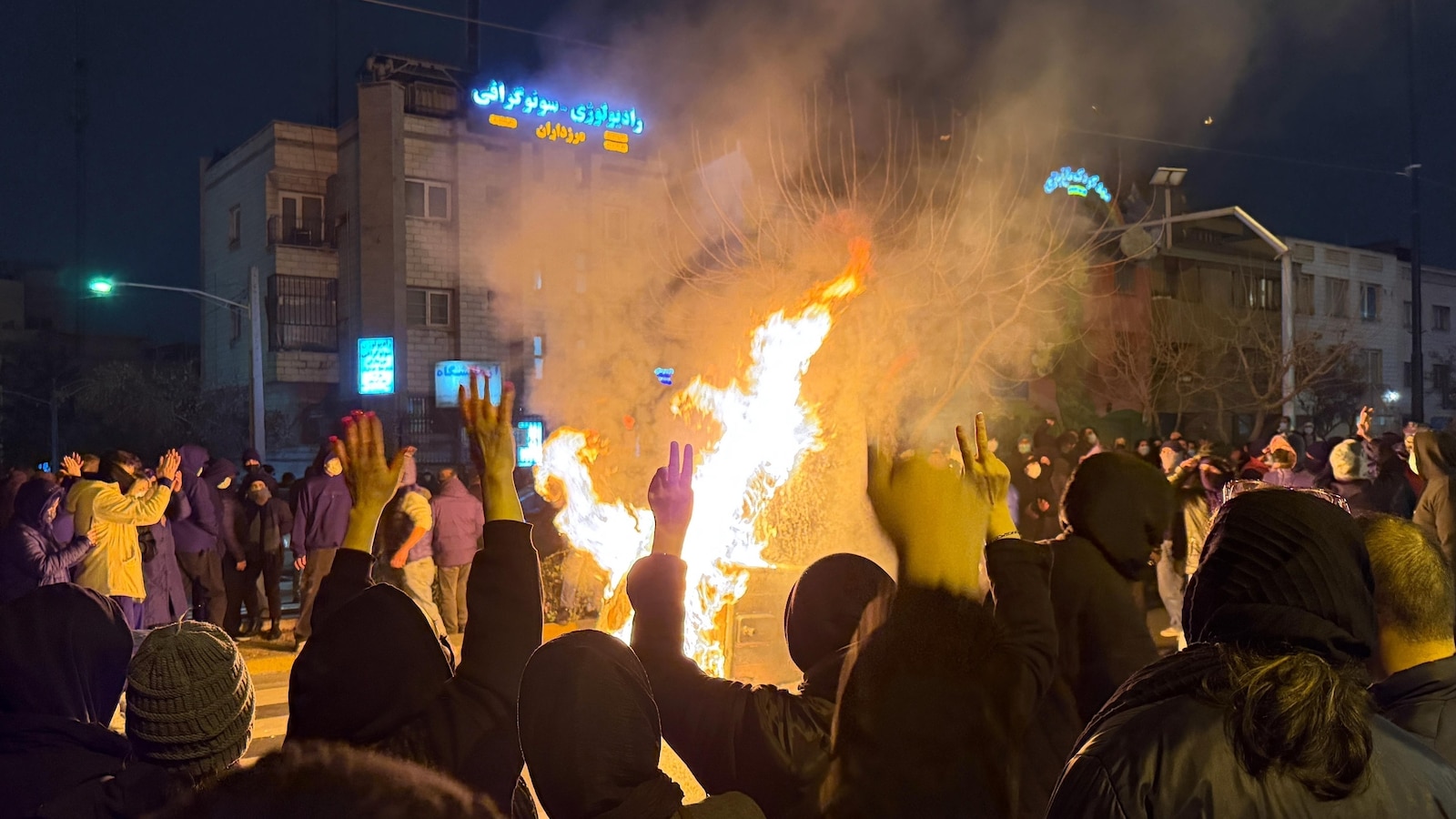

Overview
Daily life resumed in Tehran as shops reopened and public transport operated after a brutal crackdown that officials said killed 3,117 people, according to state figures published Jan. 21.
The nationwide unrest began Dec. 28 over economic grievances and a collapsing rial, and the protests surged into calls for the end of clerical rule by Jan. 8 and Jan. 9, according to protesters and officials.
Human Rights Activists News Agency reported 5,137 deaths and Dr. Amir Parasta shared a hospital compilation claiming 30,304 deaths on Jan. 9, figures that Time and other outlets said could not be independently verified.
The United Nations Human Rights Council extended an Independent International Fact-Finding Mission on Iran for two years and requested an urgent investigation, the U.N. human rights office said in a media advisory dated Jan. 24.
Analysts warned new protests could flare around Feb. 17 during planned 40-day memorials, and communications blackouts that lasted more than two weeks continue to impede independent verification, NetBlocks reported.
Analysis
Center-leaning sources frame the coverage as a large-scale, violent state crackdown by emphasizing casualty estimates, graphic imagery, and human-rights testimony while juxtaposing limited government statements. Editorial choices—loaded descriptors ("bloodiest crackdown"), repeated activist figures, and vivid scene-setting—prioritize protesters’ victimhood and regime brutality, with geopolitical consequences highlighted (U.S. naval movements).
FAQ
Iranian officials report 3,117 deaths. HRANA confirms 5,459 deaths with 17,031 under investigation. Time cites senior health officials claiming over 30,000, hospital data at 30,304, and Iran International documents over 36,500 killed during January 8-9.
The nationwide unrest began on December 28, 2025, over economic grievances and a collapsing rial, escalating into calls for the end of clerical rule by January 8-9.
As of January 25, 2026, the nationwide internet shutdown has passed 400 hours, with brief connectivity spikes but ongoing restrictions impeding verification and organization.
The UN Human Rights Council extended the Independent International Fact-Finding Mission on Iran for two years and requested an urgent investigation on January 24.
Analysts warn of potential new protests around February 17 during planned 40-day memorials for the deceased.
