Russian Strikes Knock Out Heat in Kyiv, Zelenskyy Calls for Air Defense
Russian missile and drone attacks on Jan. 24 cut heating, electricity and water to thousands of Kyiv apartments and killed one person, officials said.

 NPR
NPRRussian strikes knock out heat in freezing Kyiv as peace talks continue
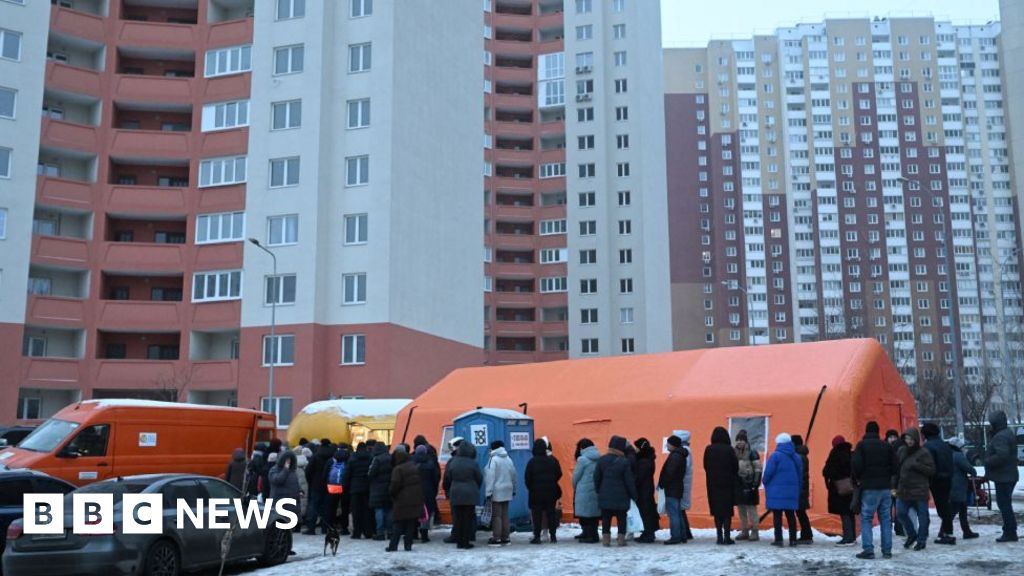
 BBC News
How Soviet urban planning is helping Russia freeze Ukraine
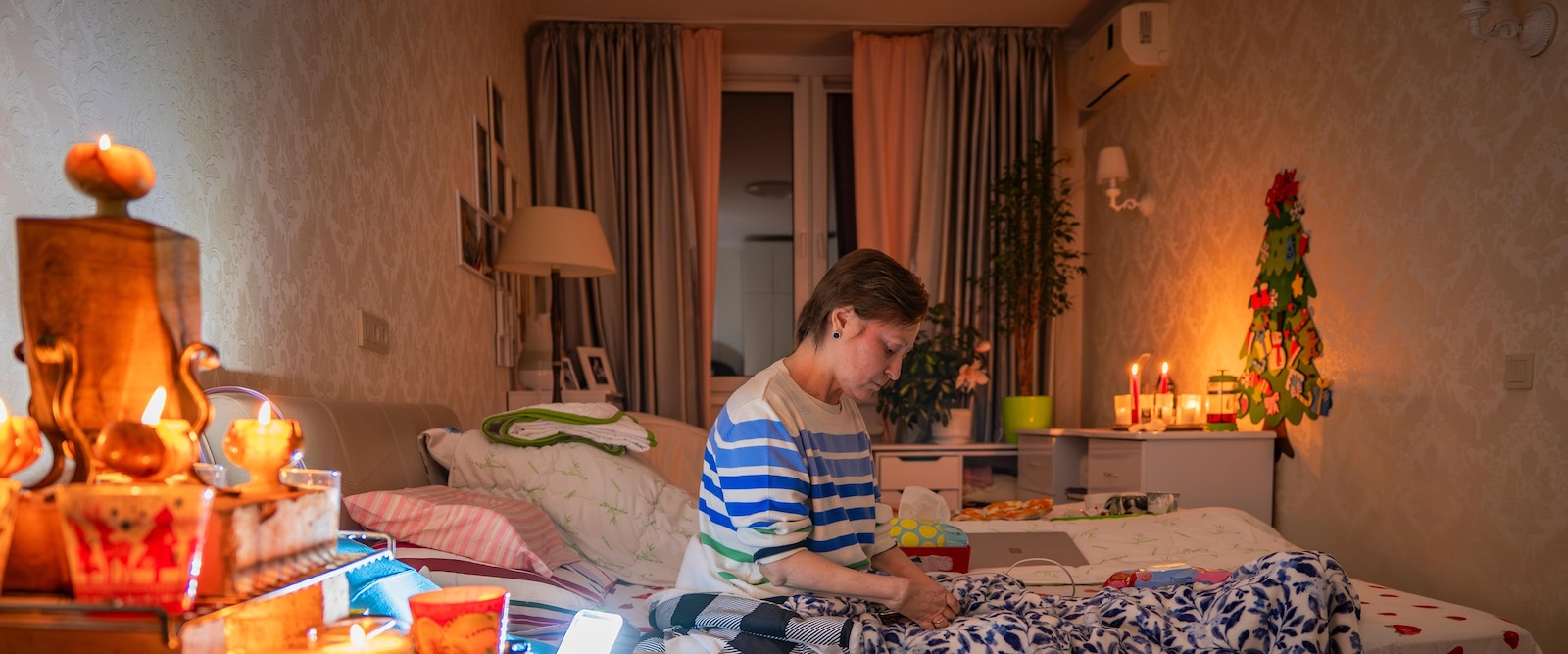
 ABC News
Freezing and in the dark, Kyiv residents are stranded in tower blocks as Russia targets power system

 CBS News
Russian strikes leave Ukrainian kids without heat and power, and parents stuck for options with schools closed
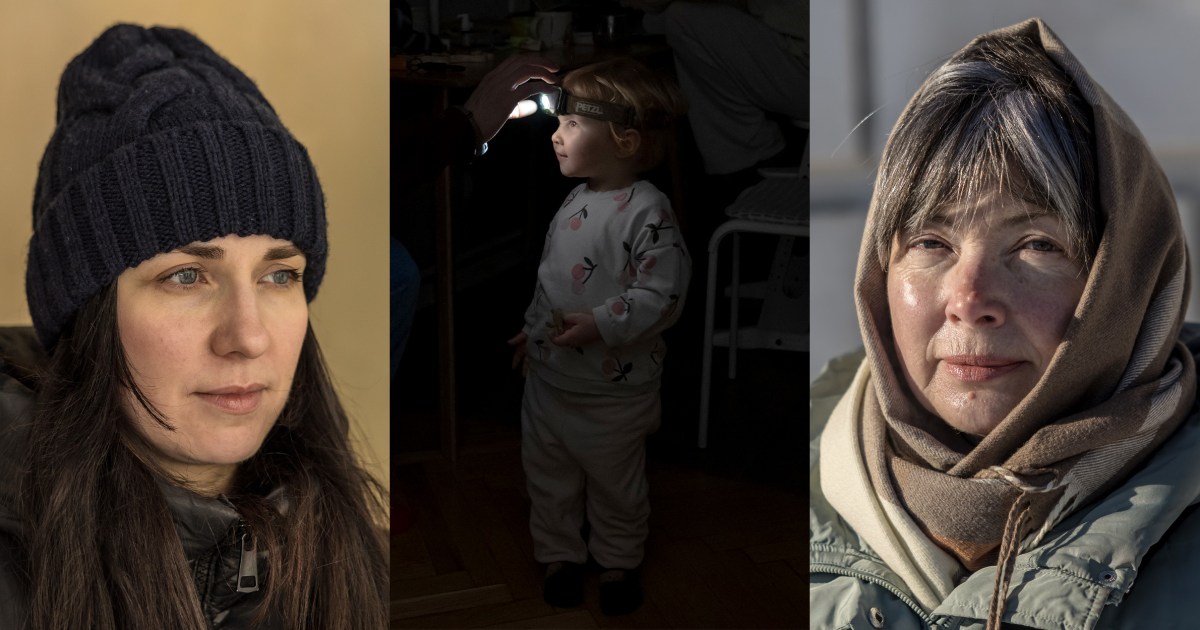
 NBC News
Kyiv is freezing in the dark as Russian strikes leave Ukraine's capital powerless
Overview
Russian missile and drone strikes on Jan. 24 knocked out heating, electricity and water across Kyiv and killed one person, Kyiv Mayor Vitali Klitschko said.
The strikes hit the capital's centralized district heating plants amid the coldest winter since the full-scale invasion, with temperatures dipping below -10C (14F), Oleksandr Kharchenko, director of the Energy Industry Research Center in Kyiv, said.
President Volodymyr Zelenskyy wrote on social media that "there must be no delays in supplying air defense" and said tripartite talks in the United Arab Emirates were constructive and could lead to further meetings next week, officials said.
Accounts differ on the scale of outages, with the BBC reporting almost 6,000 apartment blocks without heating, Kyiv Mayor Vitali Klitschko saying half of the city's apartment buildings lost heat, and Kyiv City State Administration reporting about 3,000 residential buildings still unheated, a discrepancy local officials did not reconcile.
City utility workers are repairing damage around the clock and officials have extended school closures into February while warning that decentralizing the grid and fully restoring heat could take months, city officials and aid groups said.
Analysis
Center-leaning sources frame coverage as a human-centered depiction of wartime hardship, using vivid, evocative language (e.g., 'candles beneath stacked bricks,' '650 steps') and selection of vulnerable voices (elderly, disabled, plant worker). They pair personal suffering with institutional facts (rolling blackouts, $20 billion damage), foregrounding civilian cost while omitting Russian rationale.
FAQ
The strikes cut heating, electricity, and water to thousands of apartments, killed one person, and left thousands of buildings without heat amid freezing temperatures below -10C.
