Trump's Greenland Push Frays Ties With Europe's Far-Right
Trump's threats over Greenland and tariffs prompted public rebukes from European far-right leaders after his Jan. 9 and Jan. 21 remarks.






Overview
President Donald Trump said at the World Economic Forum in Davos on Jan. 21 that he would not use military force to seize Greenland after threatening the option on Jan. 9, according to his Davos remarks.
Far-right leaders in Germany, Italy and France publicly criticized Trump's Greenland plans and far-right lawmakers in the European Parliament supported halting an EU-U.S. trade pact during a debate, according to parliamentary records and statements.
Jordan Bardella, president of France's National Rally, denounced U.S. intervention and called Trump's Greenland moves 'commercial blackmail,' while Nigel Farage labeled the plan 'a very hostile act,' statements show.
Far-right parties that surged in 2024 now hold 26% of European Parliament seats, a bloc whose internal divisions over sovereignty and U.S. interventionism the German Institute for International and Security Affairs documented.
Daniel Hegedüs, Central Europe director at the German Marshall Fund, said the split could persist or narrow and warned it may affect cooperation on the EU migration pact and the Mercosur trade deal, analysts said.
Analysis
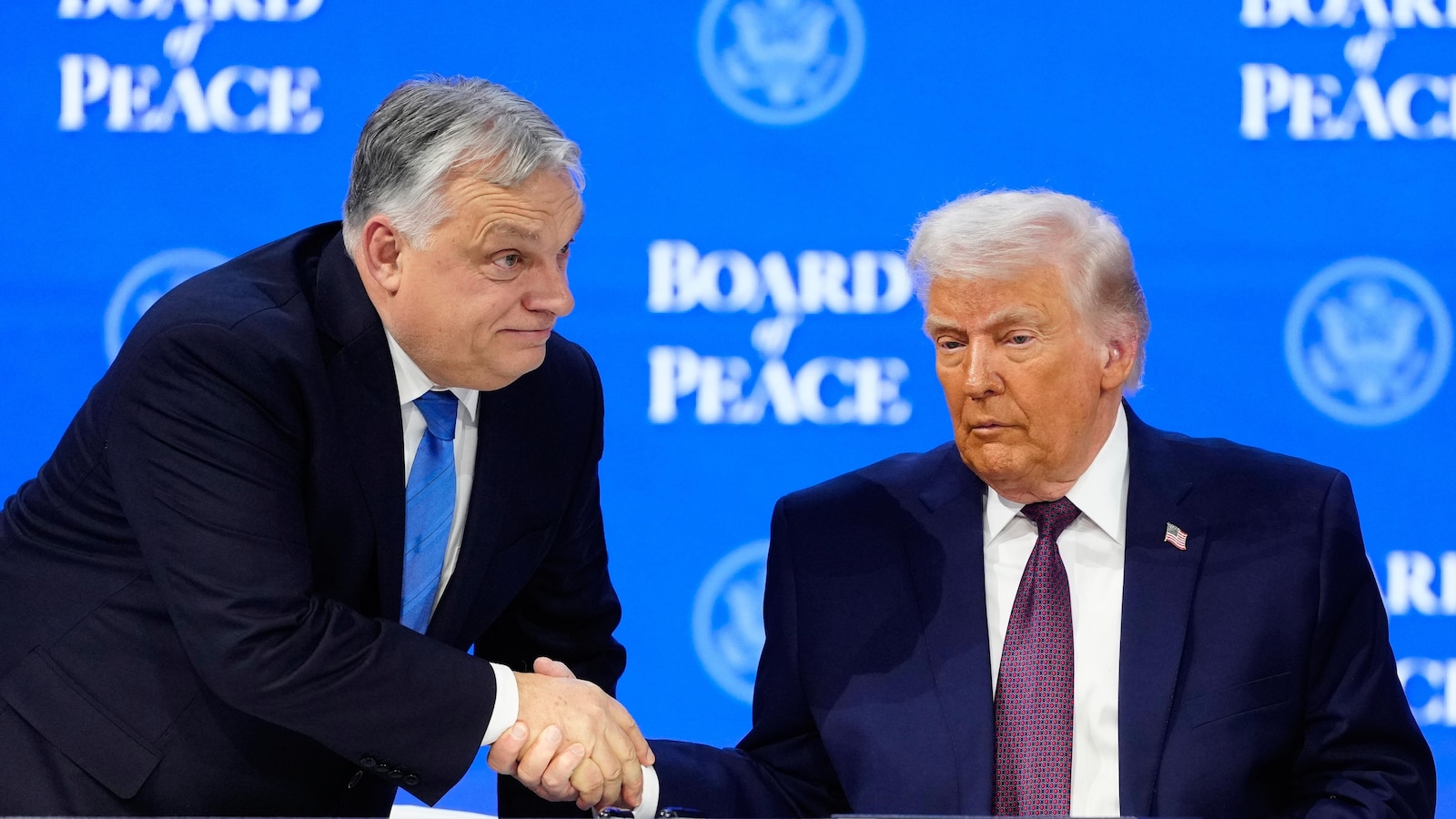
Center-leaning sources frame the story as a substantive rift between MAGA and Europe’s far-right by foregrounding critical reactions and presenting Trump’s Greenland plan as interventionist at odds with nationalist rhetoric. They emphasize dissenting voices (e.g., Farage’s “very hostile act,” Bardella’s “commercial blackmail”) while treating supportive views like Orbán’s restraint as notable exceptions.
FAQ
Trump stated the US was 'stupid' to return Greenland to Denmark after World War II, called for immediate negotiations to acquire it, and clarified he would not use military force.
Leaders like Jordan Bardella of France's National Rally called it 'commercial blackmail,' and Nigel Farage labeled it 'a very hostile act,' prompting rebukes and support for halting the EU-U.S. trade pact.
Far-right parties hold 26% of seats following their surge in 2024 elections.
In his January 21 Davos speech, Trump explicitly stated he would not use military force to seize Greenland, after earlier threats on January 9.
It may derail the EU-U.S. trade deal, affect cooperation on the EU migration pact and Mercosur trade deal, and expose divisions in Europe's far-right bloc over U.S. interventionism.