Trump Raises Tariffs on South Korean Imports to 25%
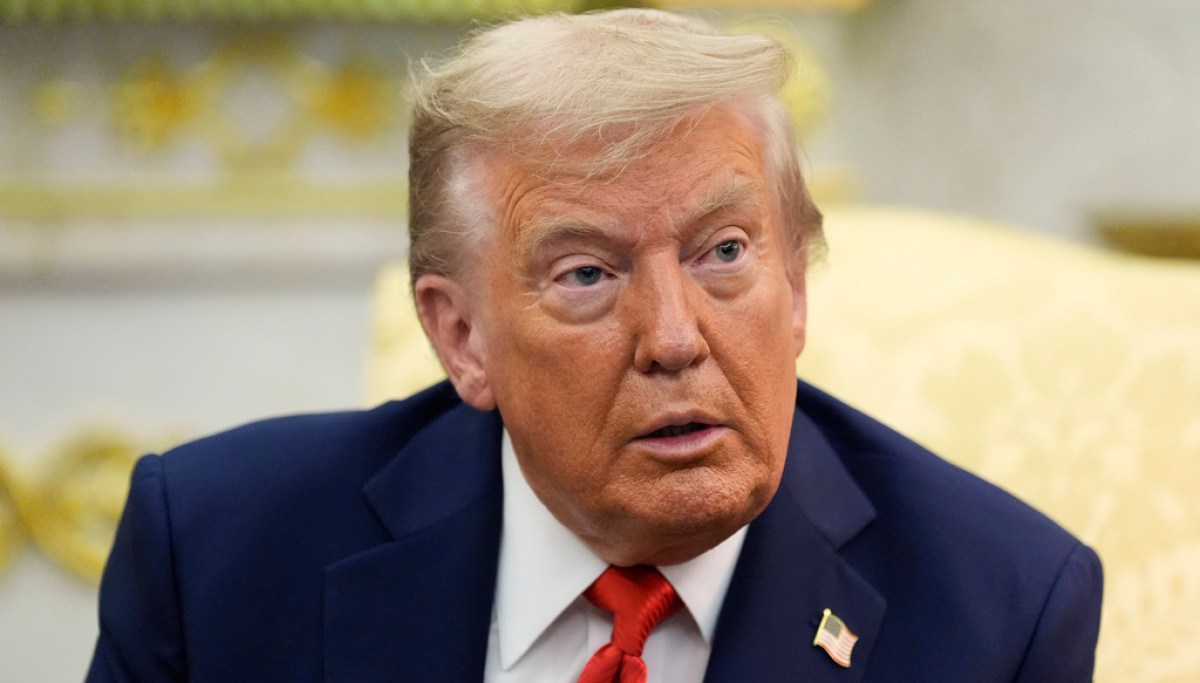
Trump said on Jan. 27, 2026 he would raise U.S. tariffs on South Korean autos, lumber and pharmaceuticals from 15% to 25%.
 Washington Examiner
Trump raises tariffs on South Korea by 10% over failure to enact trade deal
 The Guardian
Trump says he will impose new tariffs on South Korea, sending shares in carmakers tumbling

 Al Jazeera
Trump says he is raising tariffs on South Korea to 25%
 BBC News
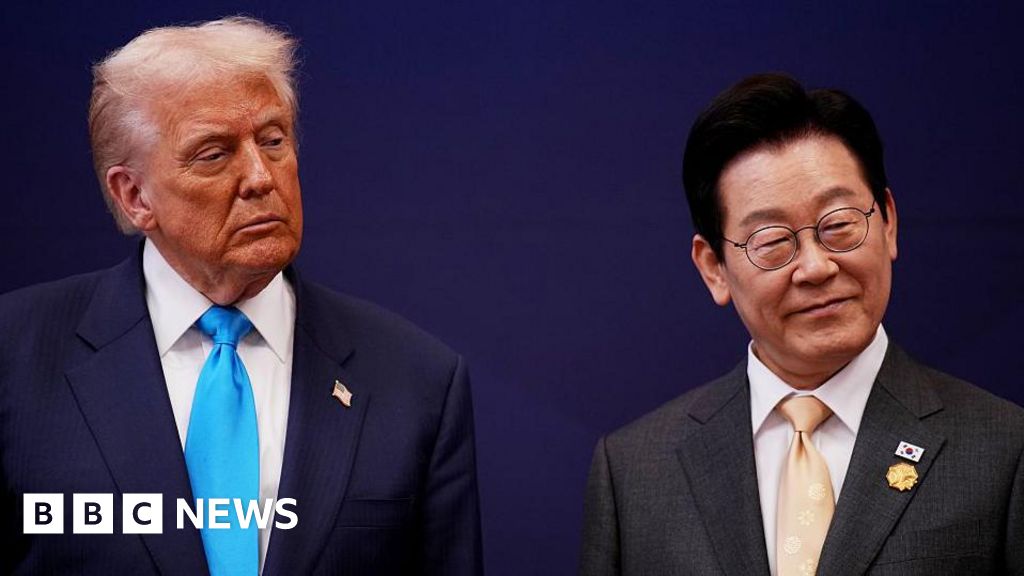
Trump raises US tariffs on South Korea imports to 25%
Overview
President Donald Trump announced on Jan. 27, 2026 in a Truth Social post that he would raise U.S. tariffs on South Korean imports from 15% to 25% for automobiles, lumber and pharmaceuticals, citing Seoul's failure to ratify a trade framework.
The hike would reverse terms of a framework announced in July and finalized in Oct. 2025 that had capped U.S. tariffs at 15% and included a $350 billion South Korean investment pledge, according to a White House fact sheet.
South Korea's presidential office said it had not been officially notified and said Industry Minister Kim Jung-kwan, who is in Canada, will travel to Washington to meet Commerce Secretary Howard Lutnick, officials said.
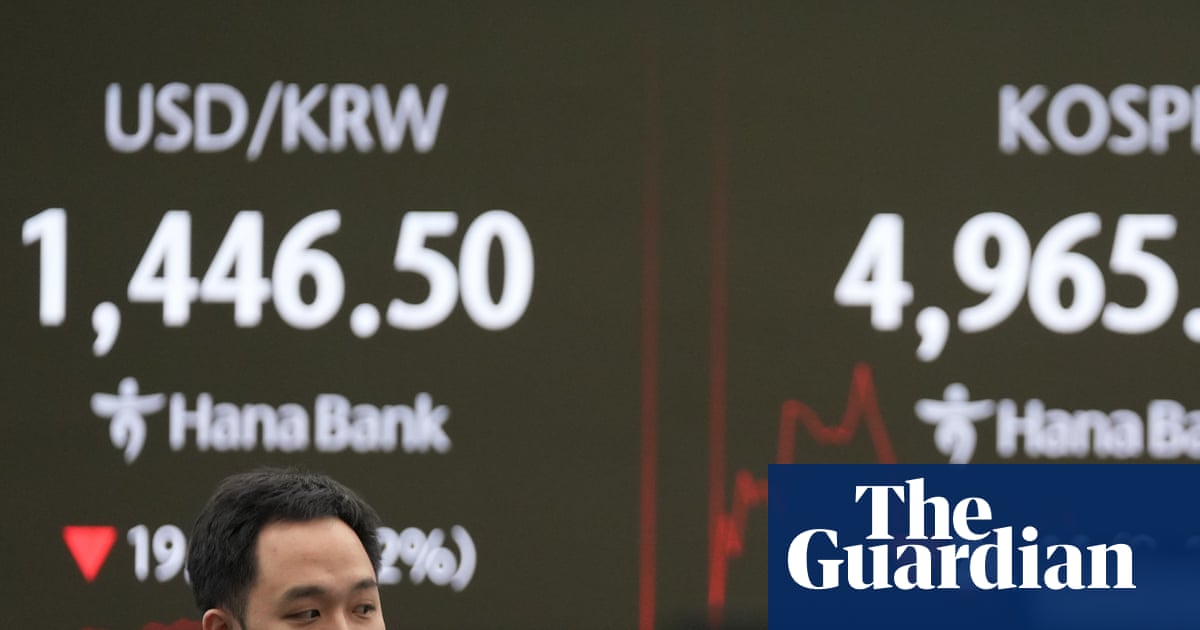
The auto sector accounts for 27% of South Korea's exports to the U.S. and U.S. imports from South Korea totaled about $150 billion last year, while shares in Hyundai and other carmakers fell as much as 5%, market data show.
The White House had not issued an executive order as of Jan. 27, 2026, and analysts warned the move could face legal challenges at the Supreme Court and could prompt urgent talks when Kim meets Lutnick, experts and officials said.
Analysis
Center-leaning sources frame the tariff increase as an aggressive, unilateral move and part of a pattern of weaponizing tariffs. Editorial choices—using evaluative verbs ('threatened', 'strained'), foregrounding Trump’s social-media pronouncements, and citing prior episodes (100% Canada tariff threat; Greenland episode)—prioritize U.S. unpredictability over trade-law detail or economic rationale.
FAQ
Trump announced the increase from 15% to 25% on South Korean autos, lumber, and pharmaceuticals because South Korea's National Assembly failed to ratify the trade framework announced in July 2025 and finalized in October 2025.
The framework capped U.S. tariffs on South Korean imports at 15%, including autos, lumber, and pharmaceuticals; South Korea pledged $350 billion in U.S. investments and agreed to remove the 50,000-unit cap on U.S. vehicles and reduce non-tariff barriers.
South Korea's presidential office stated it had not been officially notified; Industry Minister Kim Jung-kwan, currently in Canada, will travel to Washington to meet U.S. Commerce Secretary Howard Lutnick.
Autos account for 27% of South Korea's exports to the U.S., with total imports from South Korea at about $150 billion last year; shares in Hyundai and other carmakers fell as much as 5%.
No executive order has been issued as of January 27, 2026, and analysts warn of potential legal challenges at the Supreme Court and upcoming urgent talks.