NTSB Blames Systemic Failures For D.C. Midair Crash
Board says overlapping air traffic control, equipment and regulatory failures aligned to cause the Jan. 29, 2025 collision that killed 67 people.
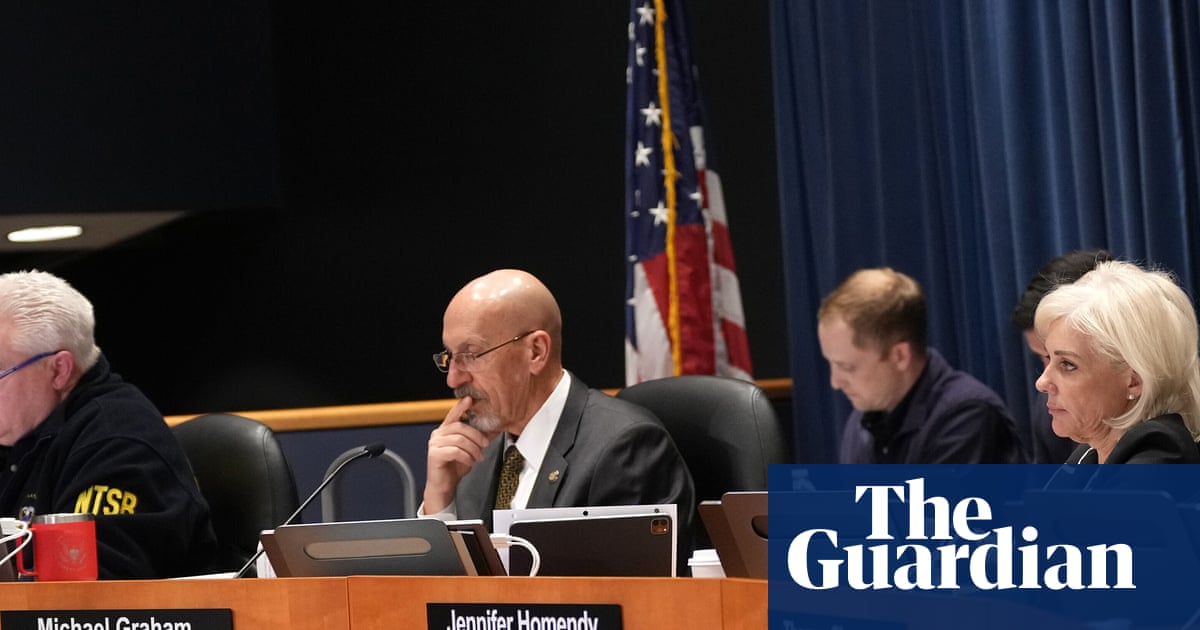
 The Guardian
Investigators say deadly midair collision near Washington DC followed years of ignored traffic warnings

 Gizmodo
FAA Could Have Prevented Fatal D.C. Plane Collision, Investigation Finds
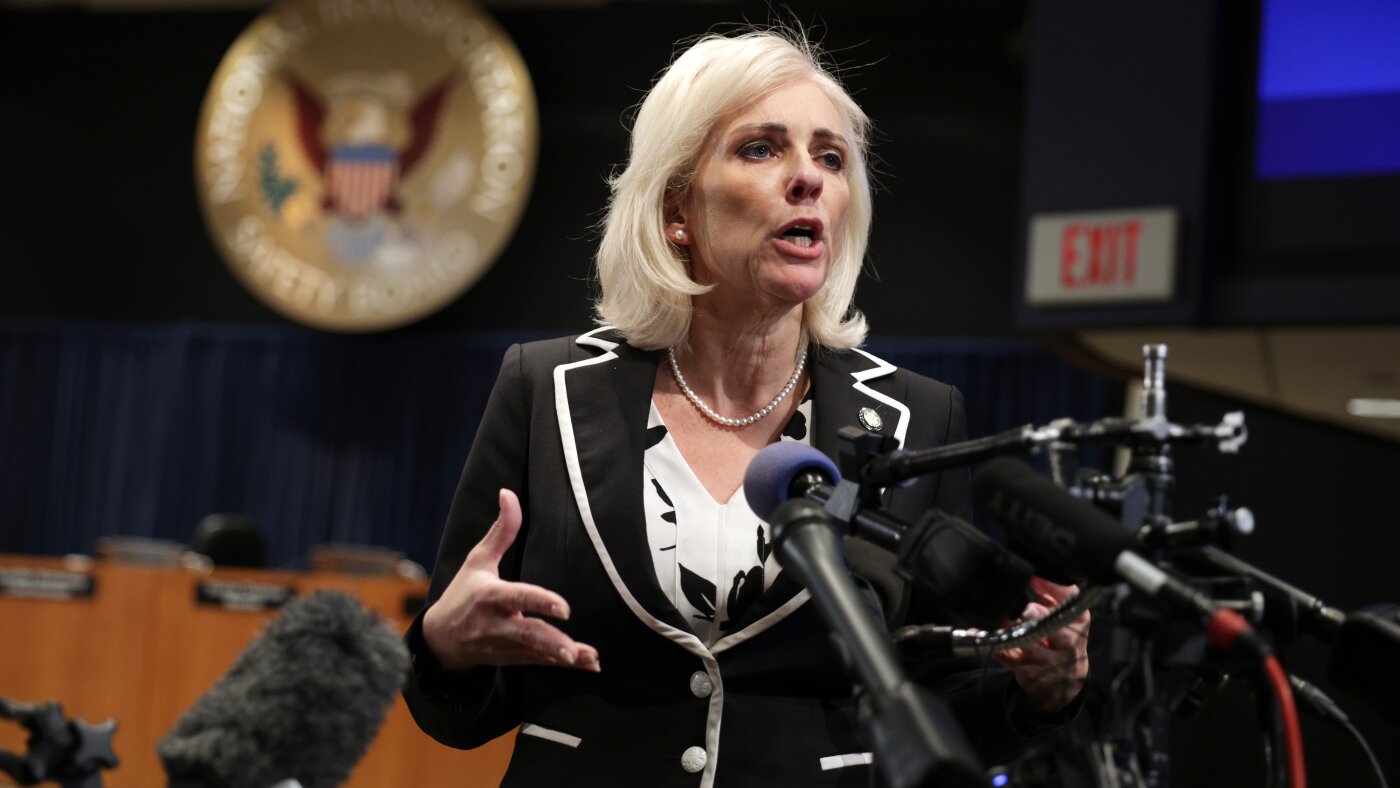
 NPR
NPRNTSB blames 'deep' systemic failures for deadly midair collision near Washington D.C.
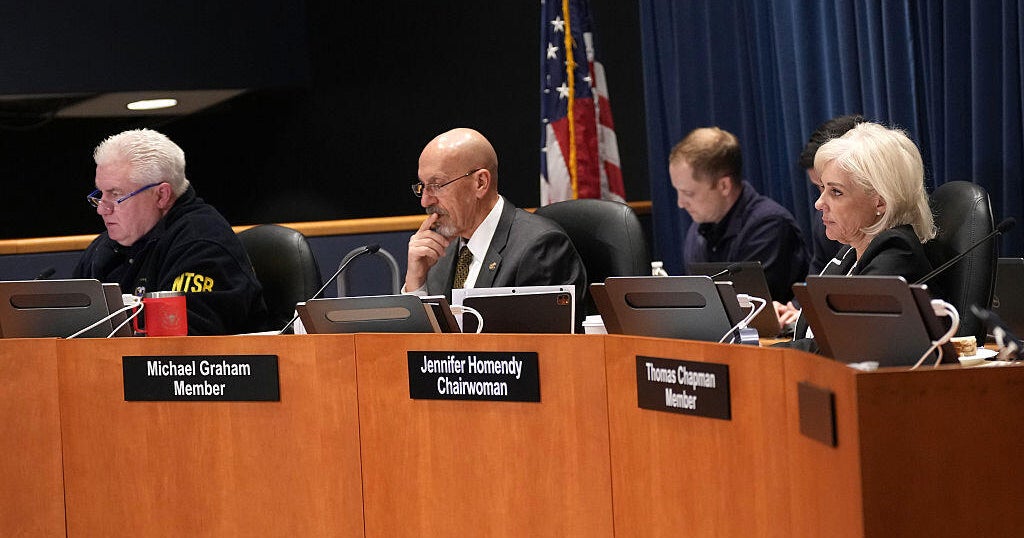
 CBS News
NTSB finds a series of "systemic failures" led to D.C. midair crash: "This was 100% preventable"
Overview
NTSB Chair Jennifer Homendy said the board found "deep, underlying systemic failures" that aligned to cause the Jan. 29, 2025 midair collision near Ronald Reagan Washington National Airport that killed 67 people.
Investigators said the FAA ignored repeated warnings, noting 15,214 close-proximity events and 85 serious cases and that a 2013 near-miss and a denied 2023 traffic-reduction request went unaddressed, NTSB investigators said.
The FAA said in a statement it "values and appreciates the NTSB's expertise" and has reduced Reagan hourly arrivals from 36 to 30 and increased staffing, the agency said.
The collision killed 67 people, including 28 members of the figure skating community, making it the deadliest U.S. plane crash since 2001, NTSB records and family statements show.
The NTSB approved nearly 50 safety recommendations, urged FAA reorganization and recommended ADS-B in requirements, and senators who introduced a locator-systems bill said they will hold hearings on the final report in coming months.
Analysis
Center-leaning sources frame the story as systemic regulatory failure, foregrounding NTSB findings and alarmed expert testimony while emphasizing institutional neglect, technical vulnerabilities, and “preventable” blame. Editorial choices—selective quote placement, active summarization of agency shortcomings, and omission of FAA/Army responses—steer readers toward urgency and accountability rather than balanced dispute.
FAQ
The NTSB identified FAA's risky helicopter route placement near Runway 33, overwhelmed air traffic controllers failing to issue safety alerts, ignored prior warnings including 15,214 close-proximity events, insufficient separation distances, overreliance on 'see-and-avoid', and altimeter issues causing the helicopter to fly higher than intended.[1]
An American Airlines jet landing on Runway 33 collided with an Army Black Hawk helicopter; the helicopter’s main rotor struck the jet’s left wing at about 300 feet, sending both into the river near Reagan National Airport.[1]
Pilots of both aircraft were qualified, rested, medically fit, and not impaired; controllers were properly trained but overwhelmed by workload in combined positions, with the crash attributed to systemic breakdowns rather than individual errors.
The FAA reduced hourly arrivals at Reagan National from 36 to 30, increased staffing, and made permanent changes to separate helicopter and plane airspace around the airport.
The NTSB approved nearly 50 safety recommendations, including FAA reorganization, mandating ADS-B In requirements, rerouting helicopter traffic, and addressing near-miss definitions and airspace risks.