Trump to Announce Fed Chair Pick Friday Morning
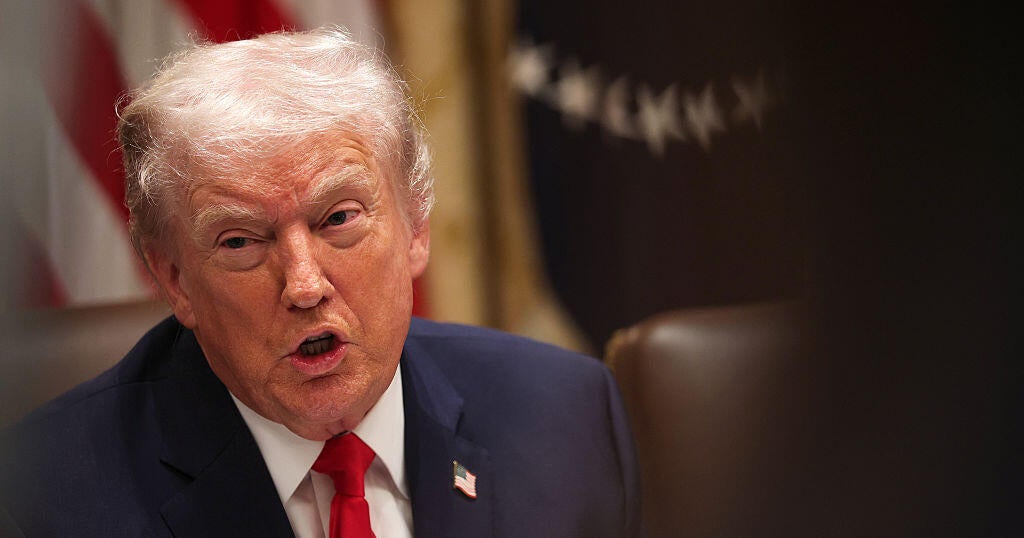
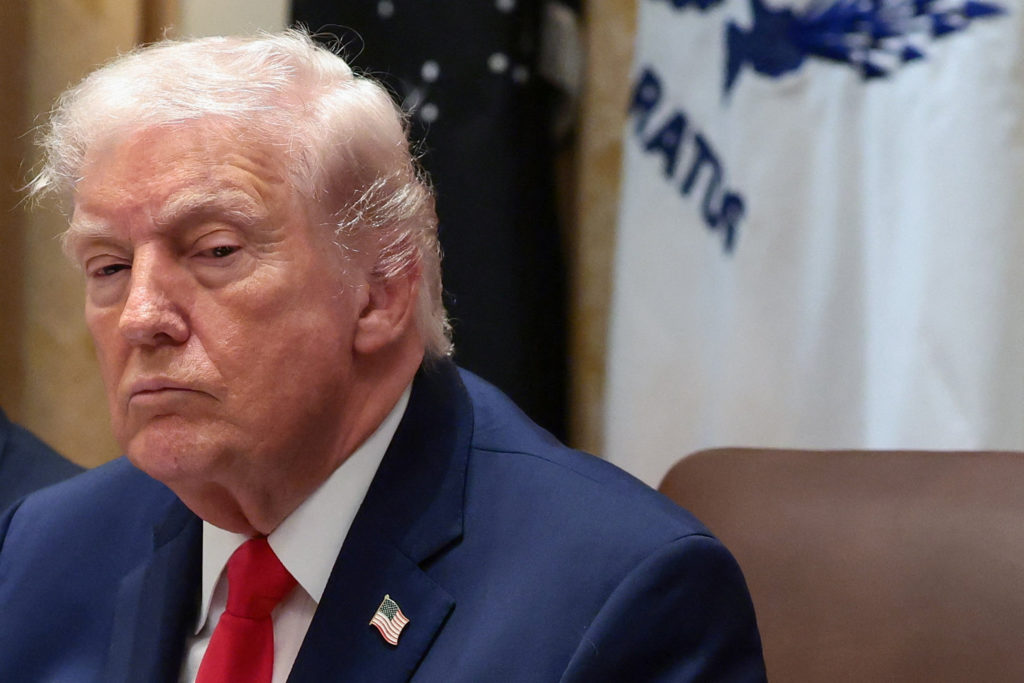
President Trump says he will announce his nominee for Federal Reserve chair on Friday morning, increasing pressure for faster rate cuts.
 CBS News
Trump says he's announcing new Fed chair nominee tomorrow morning

 Fox Business
Trump reveals when he will announce the next Fed chair
 Newsmax
Trump Moves Up Fed Chair Pick to Friday After Bitter Clashes With Powell on Interest Rates
 PBS NewsHour
Trump says he'll announce Federal Reserve chair pick next week
Overview
President Trump said he will announce his nominee for Federal Reserve chair on Friday morning as he intensifies calls for faster interest-rate cuts, according to remarks to reporters on the red carpet at a Kennedy Center event.
The announcement accelerates a decision originally expected next week and follows months of public clashes between Trump and Federal Reserve Chair Jerome Powell over the pace of rate reductions, records show.
White House officials and Trump allies have identified Kevin Hassett, Kevin Warsh, Rick Rieder and Fed Governor Christopher Waller as potential finalists, though the White House has not formally named a frontrunner, officials confirmed.
The Justice Department served subpoenas tied to Powell’s Jan. 11 congressional testimony about renovation cost overruns, a probe Powell called politically motivated, and the subpoenas have prompted some Senate Republicans, including Sen. Thom Tillis, to say they will withhold confirmations until the matter is resolved.
If the Senate confirms Trump’s nominee, the chosen chair would influence policy that affects global markets, but the Federal Open Market Committee’s 12-member voting structure limits any single chair’s unilateral power, analysts said.
Analysis
Center-leaning sources frame the story as a clash between President Trump’s pressure for rate cuts and the Fed’s institutional independence, using conflict-focused verbs (e.g., "lashed out," "extraordinary clash"), prioritizing Powell’s defensive, independence-affirming statements and DOJ subpoena details, and structuring coverage to juxtapose presidential demands with Fed caution and legal risk.
FAQ
The potential finalists are Kevin Hassett, Kevin Warsh, Rick Rieder, and Fed Governor Christopher Waller.[1]
Trump has publicly criticized Powell for not cutting interest rates faster to boost economic growth amid elevated inflation and tariffs, calling him a 'moron' and demanding lower rates.
The Justice Department served subpoenas related to Powell’s January 11 congressional testimony on Federal Reserve building renovation cost overruns, which Powell called politically motivated.[4]
The Fed chair has significant influence but not unilateral power; interest rates are set by the 12-member Federal Open Market Committee, including seven board members and five regional bank representatives.

