Rubio Defends Maduro Ouster as Senators Press War Powers
Rubio told senators Jan. 28 the Jan. 3 operation that seized Nicolás Maduro was not an act of war and involved no U.S. troops on the ground.
 PBS NewsHour
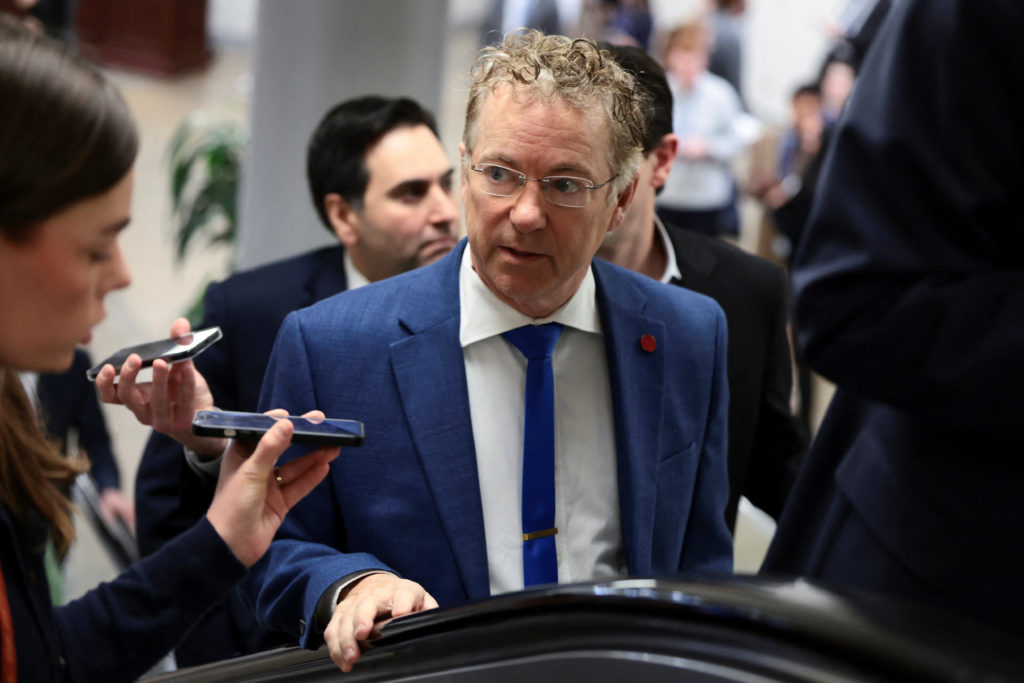
WATCH: Sen. Paul presses Rubio on why Maduro ouster isn’t an act of war
 The Blaze
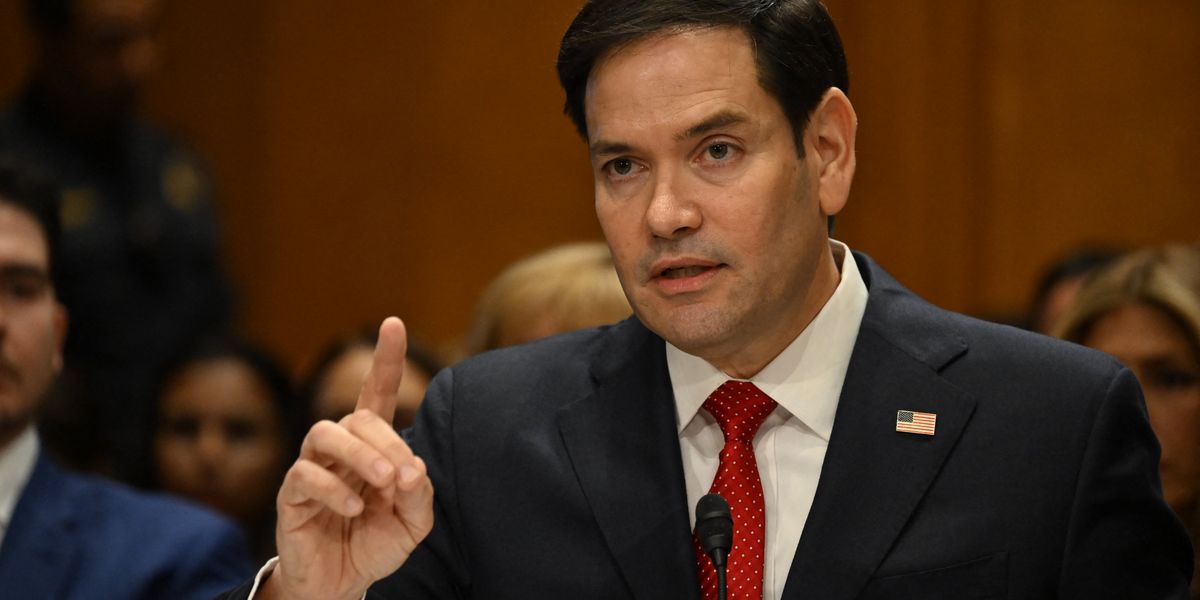
Rubio defends Maduro takedown, says diplomacy failed and time had run out

 Daily Caller
Marco Rubio, Rand Paul Joust Over Trump's Maduro Operation
 FOX News
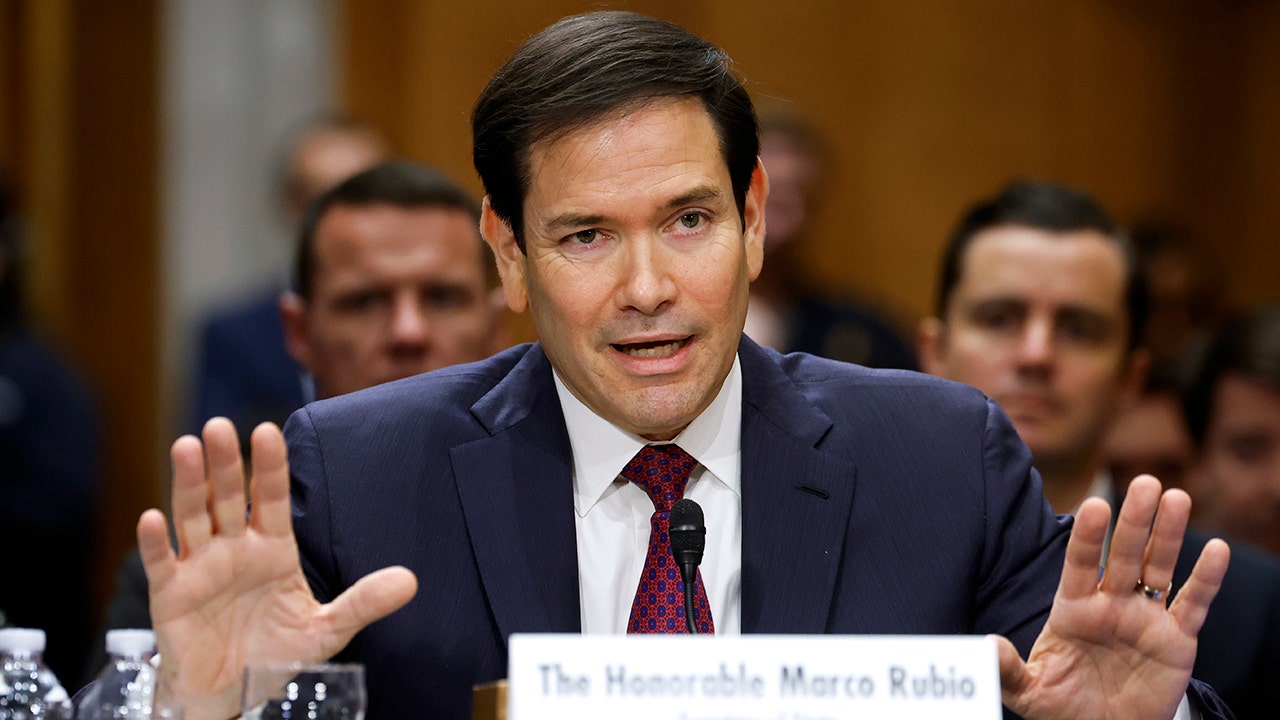
Rubio says US has no plan to use force in Venezuela — but warns ‘imminent threat’ could change that
Overview
Secretary of State Marco Rubio told the Senate Foreign Relations Committee on Jan. 28 that the Jan. 3 operation that seized Nicolás Maduro 'was an operation to aid law enforcement,' that 'there is no war against Venezuela,' and that 'there are no U.S. troops on the ground,' according to his prepared remarks, a characterization disputed by U.N. experts and congressional Democrats.
The Jan. 3 raid and the surrounding naval blockade intensified scrutiny because U.S. officials say roughly three dozen maritime strikes since September have killed at least 126 people and the families of two Trinidadian nationals have filed a wrongful-death lawsuit, according to U.S. officials and court filings.
Sen. Rand Paul, R-Ky., pressed Rubio during the hearing on whether the removal of Maduro constituted an act of war and called the administration's legal and drug-related justifications 'empty,' while Sen. Jeanne Shaheen, D-N.H., questioned the cost and legality, according to the hearing record and prepared statements.
The administration has detained Nicolás Maduro after his Jan. 3 capture and had him appear in Manhattan federal court on Jan. 5 on drug-trafficking charges as it advances a $2 billion plan to sell Venezuelan oil and maintains a regional military buildup, according to Rubio's testimony and administration statements.
Rubio told senators the U.S. is 'not postured' to take additional military action but reserved the option to use force against an 'imminent threat,' and lawmakers including Sen. Tim Kaine, D-Va., plan further war-powers oversight and legal challenges, according to the hearing.
Analysis
Center-leaning sources frame the story skeptically by foregrounding criticism and accountability concerns: editorial verbs like 'lambasted' and 'outrage' emphasize dissent, placement of Reuters/CNN reports questioning cooperation stresses doubt, and emphasis on oil-sale ties (companies with bribery pleas, donor links) plus repeated Democratic quotes creates a narrative questioning the administration’s legality and motives.
FAQ
On January 3, 2026, the U.S. launched Operation Absolute Resolve, involving large-scale military strikes on Caracas and surrounding areas, capturing Maduro and his wife Cilia Flores without U.S. casualties, though Venezuela reported 100 deaths.
Maduro and his wife were arraigned in Manhattan federal court on January 5 on charges of narco-terrorism, cocaine importation conspiracy, drug trafficking, and possession of machine guns.
Sen. Rand Paul called the legal and drug justifications 'empty' and questioned if it was an act of war; Sen. Jeanne Shaheen questioned the cost and legality; Democrats and U.N. experts disputed Rubio's characterization.
The U.S. is advancing a $2 billion plan to sell Venezuelan oil, maintaining a naval blockade on sanctioned tankers and seizing vessels to pressure the interim government.