Judge Permanently Enjoins Parts Of Trump Executive Order On Citizenship For Voting
U.S. District Judge Colleen Kollar-Kotelly permanently blocked two provisions that would have required agencies to assess citizenship before issuing federal voter registration forms.
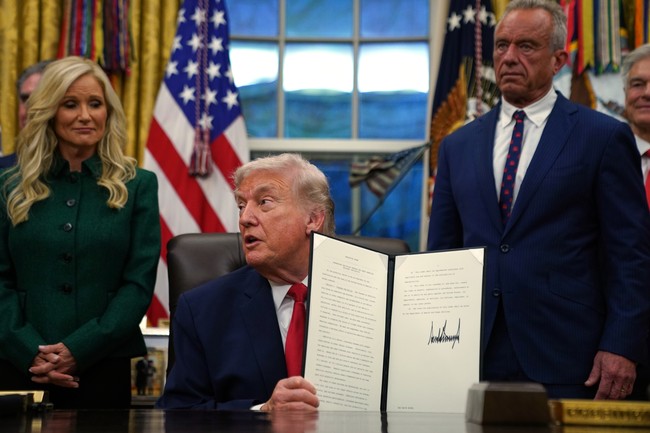
 Townhall
Judge Blocks Trump's Executive Order Requiring Citizenship to Vote
 Epoch Times
Judge Blocks Parts of Trump Order on Verifying Citizenship for Voter Registration
 ABC News
Judge blocks additional citizenship provisions in latest setback to Trump's election executive order

 Chicago Tribune
Judge blocks additional citizenship provisions in latest setback to Donald Trump’s election executive order
Overview
U.S. District Judge Colleen Kollar-Kotelly issued a Jan. 30 order permanently enjoining two provisions of President Donald Trump’s March 25 executive order that would have required federal agencies to assess citizenship before providing federal voter registration forms, court records show.
The consolidated lawsuits were filed by the League of United Latin American Citizens, the Democratic National Committee and the League of Women Voters Education Fund and challenge Executive Order 14248 as exceeding presidential authority, according to court documents.
The White House defended the order as aimed at election security and said the administration will continue to pursue the policy, White House spokeswoman Abigail Jackson said in a statement.
The ruling struck provisions requiring agencies to assess citizenship before providing voter registration forms and barring the Defense Department from demanding documentary proof of citizenship when military personnel register to vote, affecting overseas service members, according to the 110-page opinion.
Kollar-Kotelly left multiple claims unresolved and ordered defendants to comply with Privacy Act notice requirements, and the Supreme Court is set to hear a related birthright citizenship challenge on April 1, creating additional legal proceedings ahead.
Analysis
Center-leaning sources frame the story around legal limits and skepticism of fraud claims, emphasizing the judge's separation-of-powers ruling and plaintiffs' concern for military voters while juxtaposing the White House's 'election security' rationale. Language like 'latest blow' and noting research that noncitizen voting is rare steers readers toward constitutional and evidence-based concerns.
FAQ
The judge blocked Section 2(d), requiring federal agencies to assess citizenship before providing voter registration forms to public assistance enrollees, and Section 3(d), requiring documentary proof of citizenship on the Federal Post Card Application for military and overseas voters.
The consolidated lawsuits were filed by the League of United Latin American Citizens, the Democratic National Committee, and the League of Women Voters Education Fund.
The judge ruled that the provisions violated the constitutional separation of powers, as authority over federal elections is vested in Congress and the states, not the president.
The White House defended the order as necessary for election security and stated that the administration will continue to pursue the policy, anticipating further legal action.
Yes, multiple parts of the order have been preliminarily blocked in other lawsuits, and litigation on additional provisions continues, with a related Supreme Court case on birthright citizenship scheduled for April 1.


