Deputy Attorney General Todd Blanche Says Epstein Review 'Is Over' After 3.5M Release
Todd Blanche said on Jan. 25, 2026 that prosecutors' review is finished after DOJ released about 3.5 million pages, 2,000 videos and 180,000 images.
 Associated Press
Top Justice Department official plays down chance for charges arising from Epstein files revelations

 The Guardian
Todd Blanche says review of Jeffrey Epstein sex-trafficking case ‘is over’

 Daily Caller
Todd Blanche Breaks Down How FBI Handles Anonymous Epstein Allegations
 The American Conservative
DoJ Releases More Epstein Files
Overview
Deputy Attorney General Todd Blanche said on Jan. 25, 2026 that the Justice Department's prosecutors' review "is over" after the agency released about 3.5 million pages, 2,000 videos and 180,000 images under the Epstein Files Transparency Act.
The release followed a review of roughly six million potentially responsive pages and came after the department missed a Dec. 19, 2025 statutory deadline, prompting survivors' attorneys Sigrid McCawley, Brad Edwards and Jennifer Freeman to say victims' names were exposed and redactions were "ham-fisted."
House Democrat Ro Khanna said on CNN on Jan. 25, 2026 that the department released "at best half the documents," while House Minority Leader Hakeem Jeffries and Rep. Jamie Raskin urged fuller disclosure and the DOJ said it will file a formal report and publish redaction justifications in the Federal Register within 15 days.
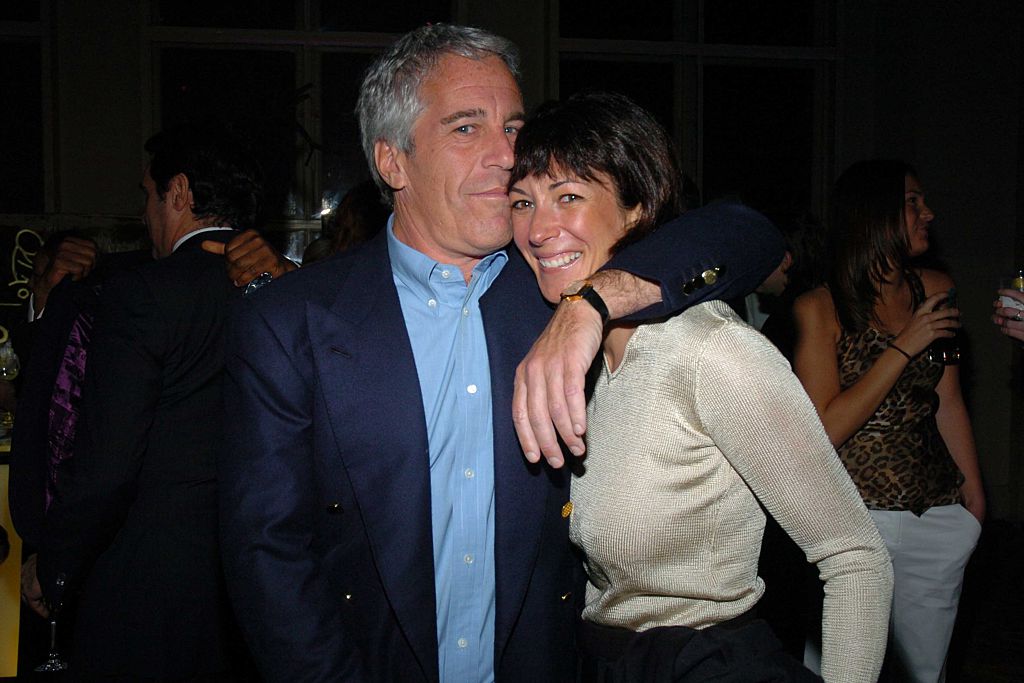
Blanche told reporters that reviewers examined about six million pages and that the production includes "large quantities of commercial pornography," roughly 2,000 videos and 180,000 photos, and he said some images appear to have been taken by Jeffrey Epstein or people around him, according to DOJ statements.
The Justice Department said it will publish written justifications for redactions in the Federal Register and submit a formal report within 15 days, and DOJ officials said they will promptly correct improperly released victim names when identified, according to department statements.
Analysis
Center-leaning sources collectively frame the release as a sensational, elite-linked scandal while maintaining institutional balance by foregrounding DOJ defenses. Editors emphasize lurid imagery and high-profile names (wording like "horrible photographs," "massive document dump") and amplify survivor outrage; quoted emails supply salacious detail, but placement heightens the public-interest narrative.
FAQ
The Epstein Files Transparency Act (H.R.4405) requires the Attorney General to release all unclassified DOJ documents, records, communications, and investigative materials related to Jeffrey Epstein within 30 days of enactment, with provisions for redactions, reports to Congress, and publication of justifications in the Federal Register.
The DOJ released about 3.5 million pages, 2,000 videos, and 180,000 images after reviewing roughly six million potentially responsive pages, including large quantities of commercial pornography and some images taken by Epstein or people around him.
The DOJ missed the December 19, 2025 deadline due to the extensive review of millions of documents, videos, and images to redact victim information and sensitive content, involving significant staff efforts.
Survivors' attorneys criticized the release for exposing victims' names with 'ham-fisted' redactions, and House Democrat Ro Khanna claimed it released 'at best half the documents'; Democrats urged fuller disclosure.
The DOJ will file a formal report, publish redaction justifications in the Federal Register, and promptly correct any improperly released victim names within 15 days.