Lumumba Kambere Muyisa Says At Least 200 Dead in Rubaya Mine Collapse
Lumumba Kambere Muyisa said heavy rains on March 5, 2025 triggered a landslide that collapsed shafts at the Rubaya coltan site, killing at least 200 people.





Overview
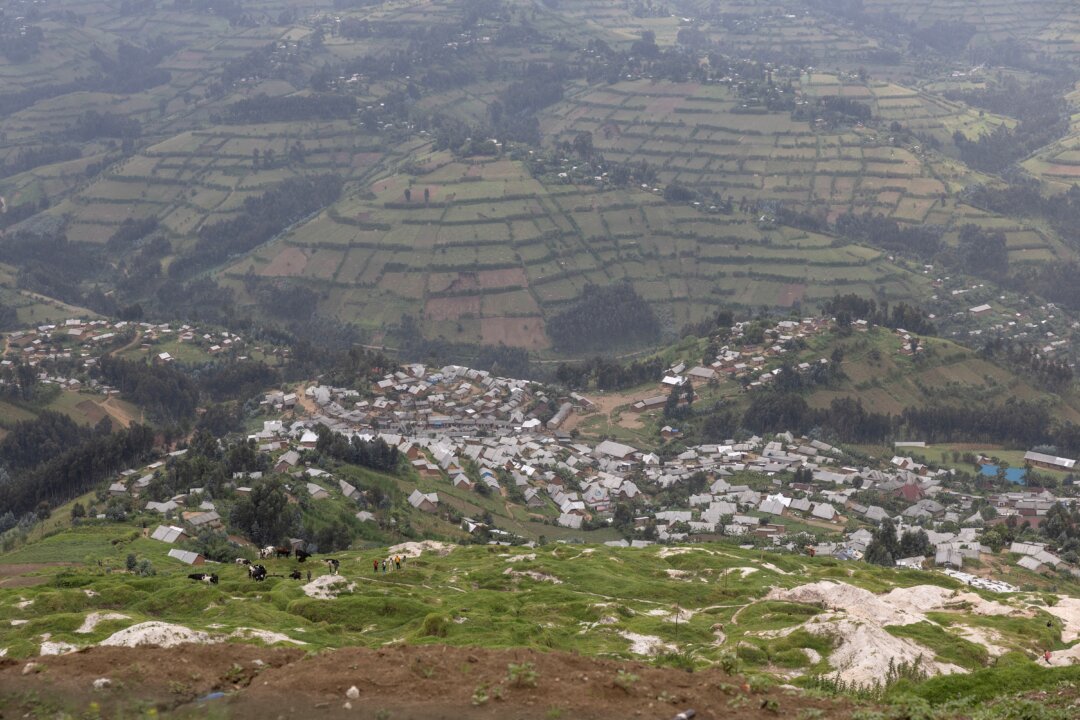
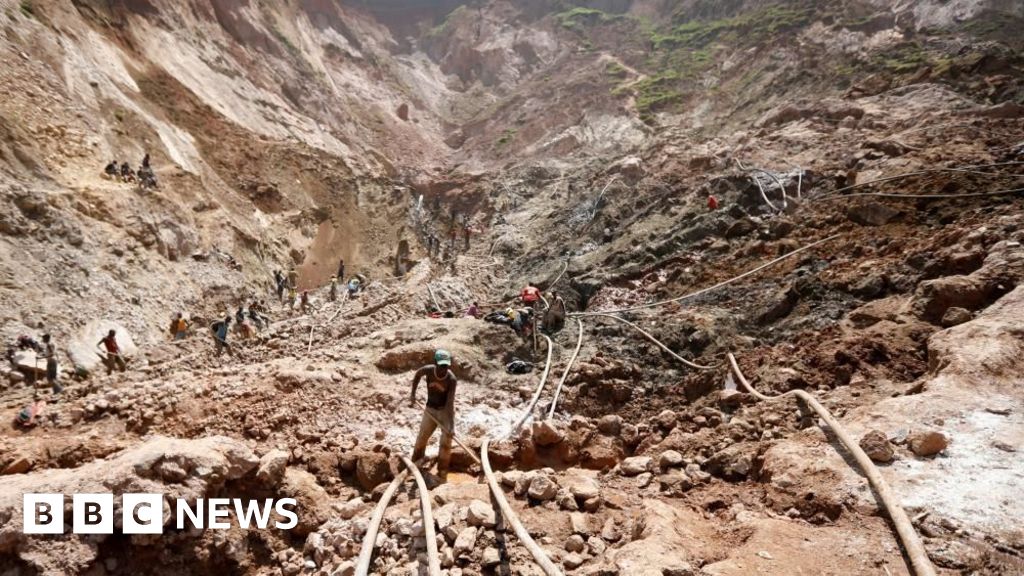
Lumumba Kambere Muyisa, spokesperson for the rebel-appointed governor of North Kivu, said heavy rains on March 5, 2025 triggered a landslide that collapsed several shafts at the Rubaya coltan mine, killing at least 200 people.
Rubaya supplies about 15 percent of the world’s coltan and the U.S. Geological Survey says the Democratic Republic of Congo produced about 40 percent of global coltan in 2023.
The rebel-appointed governor has temporarily halted artisanal mining at Rubaya and ordered residents who built shelters near the mine to relocate, Lumumba Kambere Muyisa said.
A former miner, Clovis Mafare, said pits can hold as many as 500 miners and tunnels are hand-dug and poorly maintained, a claim not independently verified.
The U.N. has reported that M23 taxes on Rubaya coltan generate at least $800,000 a month, the Congolese government accused rebels of illegal exploitation and Rwanda denied backing M23.
Analysis
Center-leaning sources frame the Rubaya collapse as rooted in rebel control and resource-driven geopolitics, stressing M23’s rule, alleged Rwandan backing, and UN accusations. Editorial choices — foregrounding coltan’s global importance, poor mine conditions, and links to U.S. mineral access — emphasize structural exploitation over a simple accident.
FAQ
Heavy rains on March 5, 2025, triggered a landslide that collapsed several shafts at the artisanal mine.
At least 200 people were killed, including miners, children, and market women; about 20 wounded individuals received treatment.
Coltan is processed into tantalum, used in smartphones, computers, and aerospace; Rubaya supplies about 15% of the world's coltan.
The rebel-appointed governor halted artisanal mining at Rubaya and ordered residents near the mine to relocate.
The mine is controlled by M23 rebels, who tax coltan generating at least $800,000 monthly; the UN reports this, amid accusations of illegal exploitation and Rwandan backing.


