House Passes Spending Bill, Reopens Government, Sets Feb. 13 DHS Deadline
Funding covers agencies through Sept. 30 but extends Department of Homeland Security funding only to Feb. 13 amid demands for reforms after two Minneapolis shootings.
 BBC News
Partial government shutdown ends after US House vote
 Washington Examiner
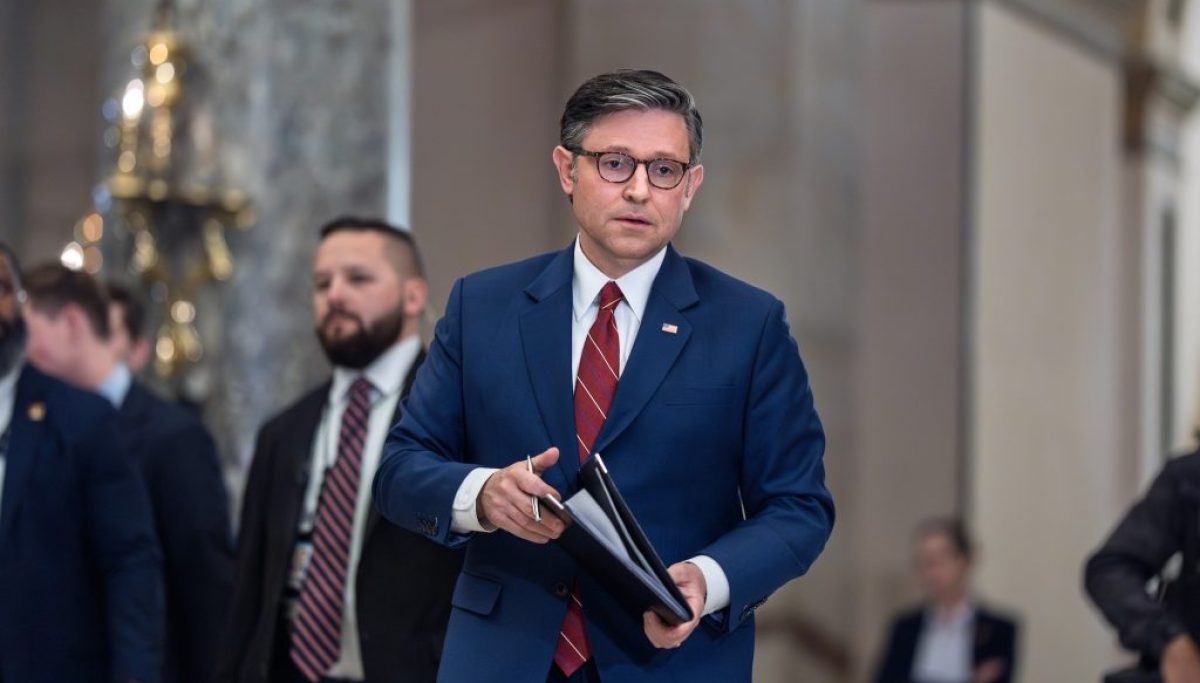
House ends government shutdown and starts clock on DHS funding talks
 NPR
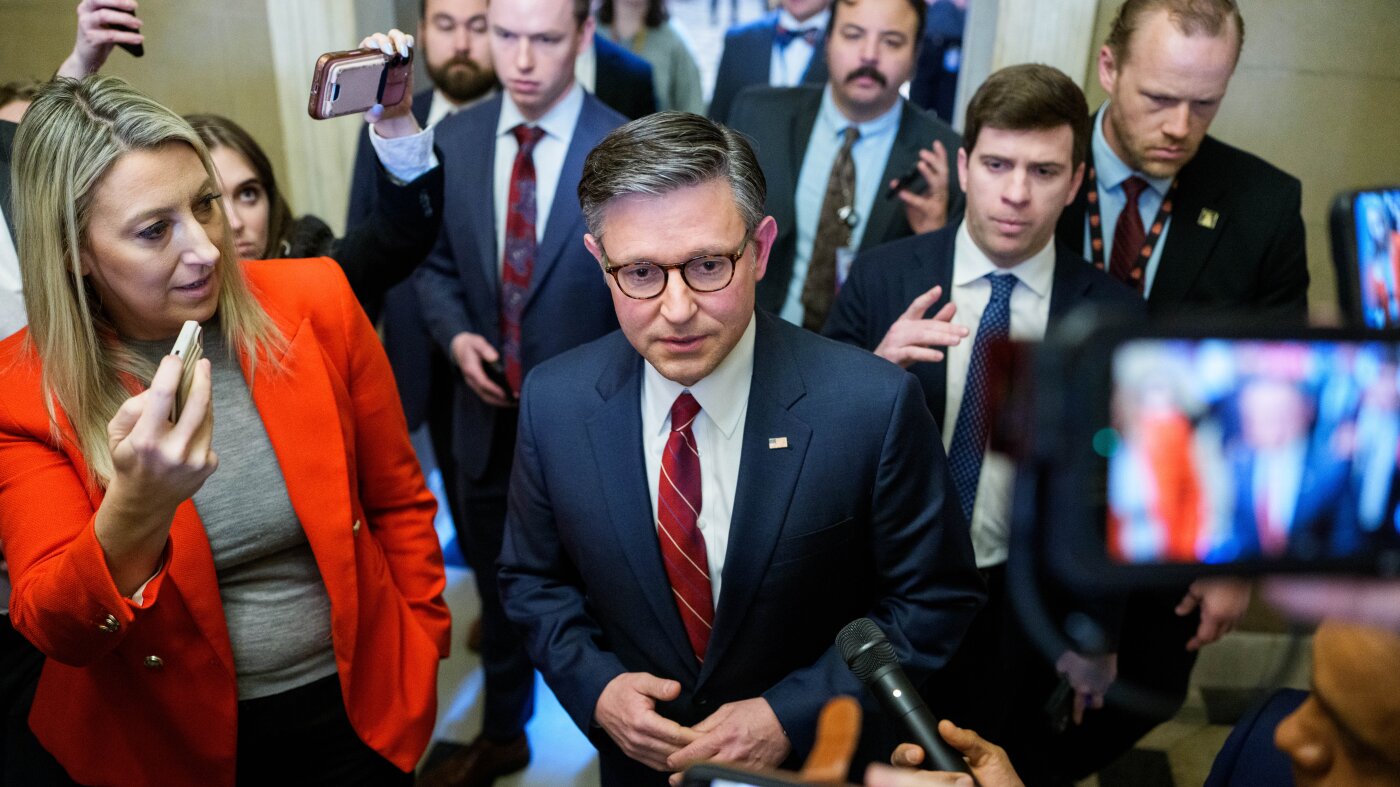
NPRHouse votes to end partial government shutdown, setting up contentious talks on ICE
 NBC News
House passes bill to end the shutdown and punt on DHS funding, sending it to Trump
Overview
The U.S. House passed a $1.2 trillion spending package 217-214, sending the bill to President Donald Trump to sign and ending a partial shutdown that began after funding lapsed on Jan. 30, House Clerk records show.
The package fully funds the Pentagon, Health and Human Services, Transportation, Education and Housing and Urban Development through Sept. 30 while placing Department of Homeland Security funding on a short-term continuing resolution set to expire Feb. 13, according to the text of the legislation.
Senate Democrats, led by Senate Minority Leader Chuck Schumer, negotiated the two-week DHS extension with the White House after the fatal Minneapolis shootings of Alex Pretti and Renee Good, and Democrats are demanding reforms including body-worn cameras and judicial warrants, lawmakers said.
President Donald Trump posted on Truth Social that he will sign the measure "immediately," and House negotiators said 21 Democrats joined Republicans in final passage while 21 House Republicans opposed the bill, reflecting intra-party divisions.
Congress has about a 10-day window before the Feb. 13 DHS deadline to reach a longer-term funding agreement, a timeline Senate Majority Leader John Thune called impractical and warned could require another short-term extension, according to his remarks to reporters.
Analysis
Center-leaning sources frame the story as a partisan-but-humanitarian tug-of-war: emphasizing fatal encounters in Minneapolis as the catalyst for short-term DHS funding, highlighting Democratic reform demands and Republican resistance, and using evaluative terms like "crackdown" and "tenuous" to convey urgency and critique. Language choice, source emphasis, and structure produce a reform-focused narrative.
FAQ
The partial shutdown began after funding lapsed on January 30, 2026, due to disputes over Department of Homeland Security (DHS) funding.
DHS funding was placed on a short-term continuing resolution until February 13 amid Democratic demands for reforms, including body-worn cameras and judicial warrants, following fatal Minneapolis shootings of Alex Pretti and Renee Good.
The House passed the $1.2 trillion spending package 217-214, with 21 Democrats joining Republicans and 21 Republicans opposing it.
Democrats are demanding reforms such as body-worn cameras for agents and judicial warrants for immigration arrests, in response to the Minneapolis shootings.
Congress has about a 10-day window before the February 13 deadline to reach a longer-term agreement, but Senate Majority Leader John Thune warned it may require another short-term extension.
