U.S. Warns Iran Over Live-Fire Drills in Strait of Hormuz
Iran plans live-fire naval drills in the Strait of Hormuz on Feb. 1-2, 2026, potentially into a 3.2-km traffic lane used by 20% of global oil, officials said.
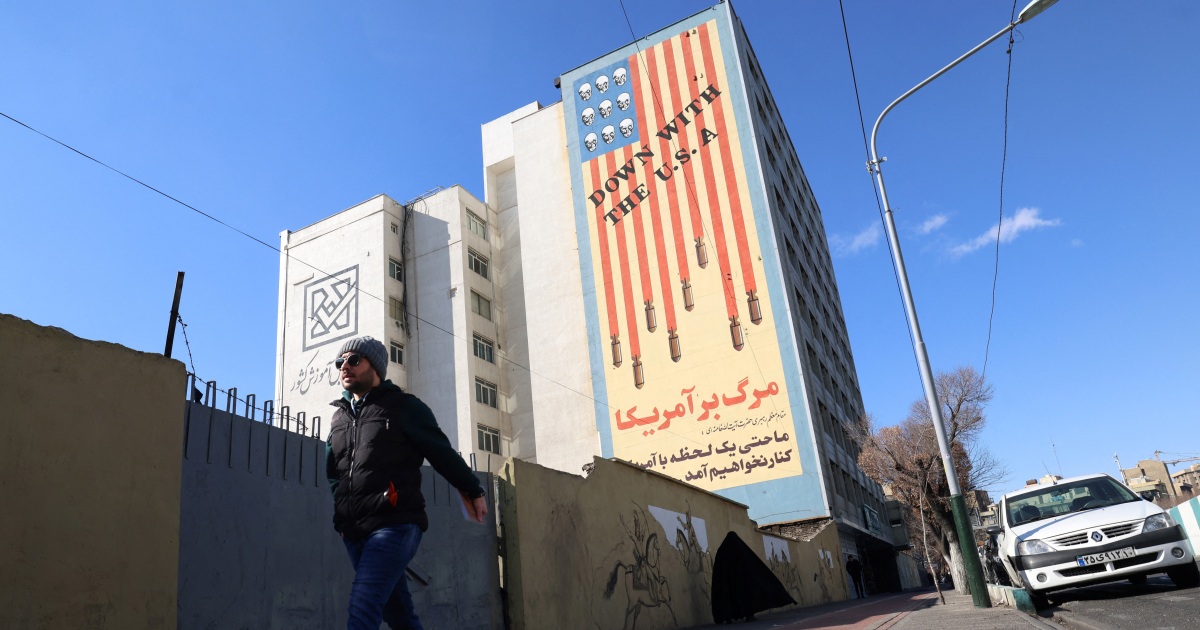
 NBC News
U.S. warns Iran over planned military drills close to American forces as Trump weighs action
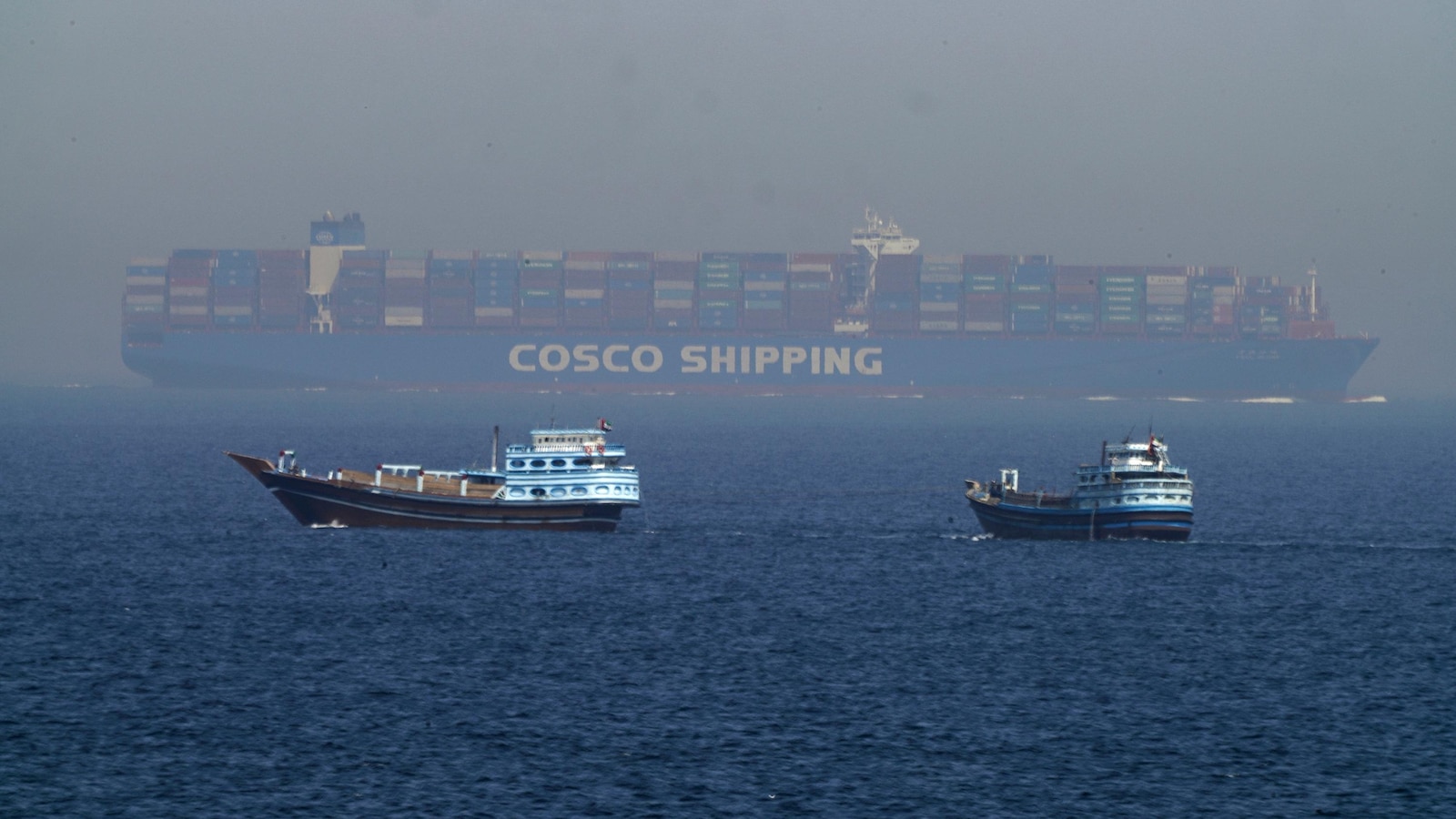
 ABC News
What to know about the Strait of Hormuz as Iran plans military drill while tensions are high with US
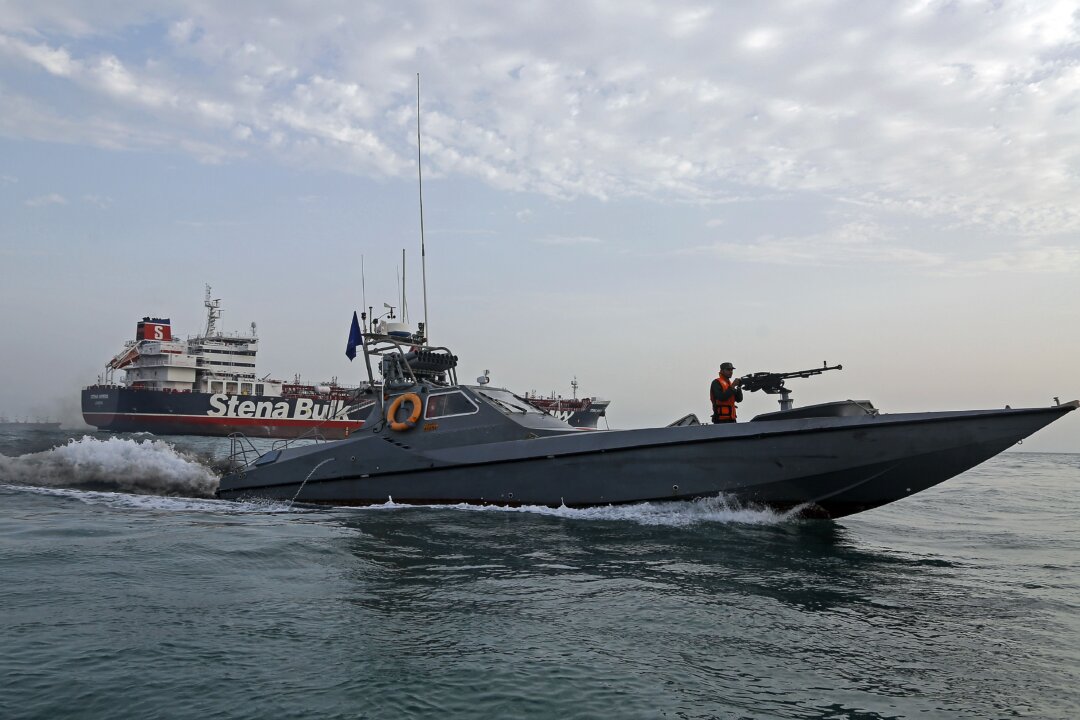
 Epoch Times
US Warns Iran Against Provocations During Upcoming Live-Fire Drills
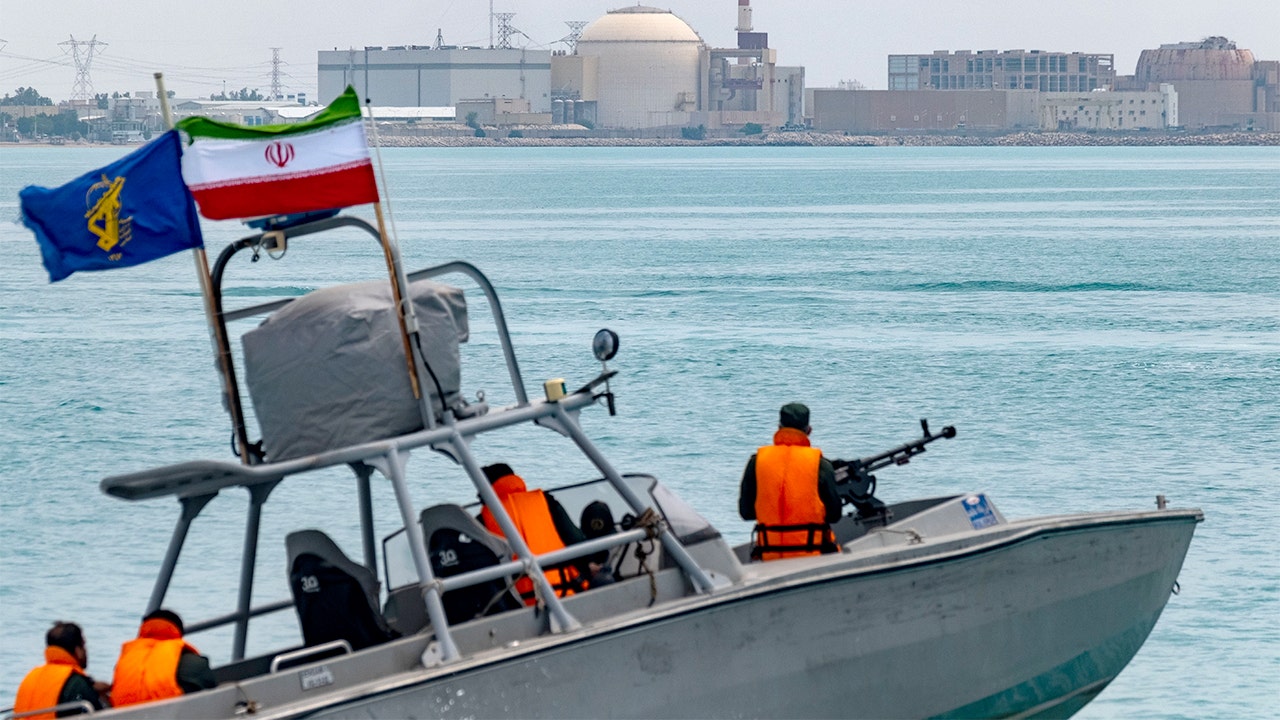
 FOX News
Iran to hold live-fire drills in Strait of Hormuz with US armada in Middle East
Overview
U.S. Central Command issued a warning that it "will not tolerate unsafe (IRGC) actions" as Iran's Islamic Revolutionary Guard Corps plans two-day live-fire naval drills Feb. 1-2, 2026, according to a notice to mariners and a CENTCOM statement.
The Strait of Hormuz narrows to about 33 kilometers (21 miles) at its tightest point and carries roughly 20% of global oil shipments, heightening risks to energy markets, the U.S. Energy Information Administration said.
President Donald Trump said in a Truth Social post that a deployed "massive armada" including carrier forces could act "with speed and violence," a statement that raised U.S. military options in the region, according to his post and U.S. officials.
The U.S. has sent the USS Abraham Lincoln carrier strike group and supporting destroyers to the Arabian Sea, though defense reporting and U.S. officials provide differing counts of ships and destroyers in the tasking.
Egypt's foreign ministry said Foreign Minister Badr Abdel-Aty held calls with Iranian, Turkish and Omani counterparts and U.S. special envoy Steve Witkoff as diplomatic efforts seek to de-escalate the situation.
Analysis
Center-leaning sources frame the story as a security-risk narrative, emphasizing U.S. military warnings and shipping vulnerability. They use urgent language (e.g., “live fire drill,” “danger,” “will not tolerate”), prioritize U.S. statements and safety stakes over Iranian motives, and foreground CENTCOM’s warning to heighten potential for escalation.
FAQ
The Strait of Hormuz carries about 20% of global oil shipments, with around 20 million barrels per day transiting in 2024, making it a critical energy chokepoint.
U.S. Central Command warned it will not tolerate unsafe IRGC actions during the drills, President Trump mentioned a massive armada including carrier forces ready to act, and the USS Abraham Lincoln carrier strike group has been deployed to the Arabian Sea.
A complete removal of Iranian oil exports or blockage of the strait could drive Brent crude to $91 per barrel in late 2026, though this is viewed as unlikely given ample global supply.
There is nearly 6 million b/d of unused pipeline capacity bypassing the strait in theory, such as Saudi Arabia's East-West Pipeline, but practical viability is limited and many exporters remain reliant on Hormuz.
Egypt's Foreign Minister held calls with Iranian, Turkish, Omani counterparts, and U.S. special envoy Steve Witkoff to seek de-escalation.

